What Is Third Party Property Insurance in Australia
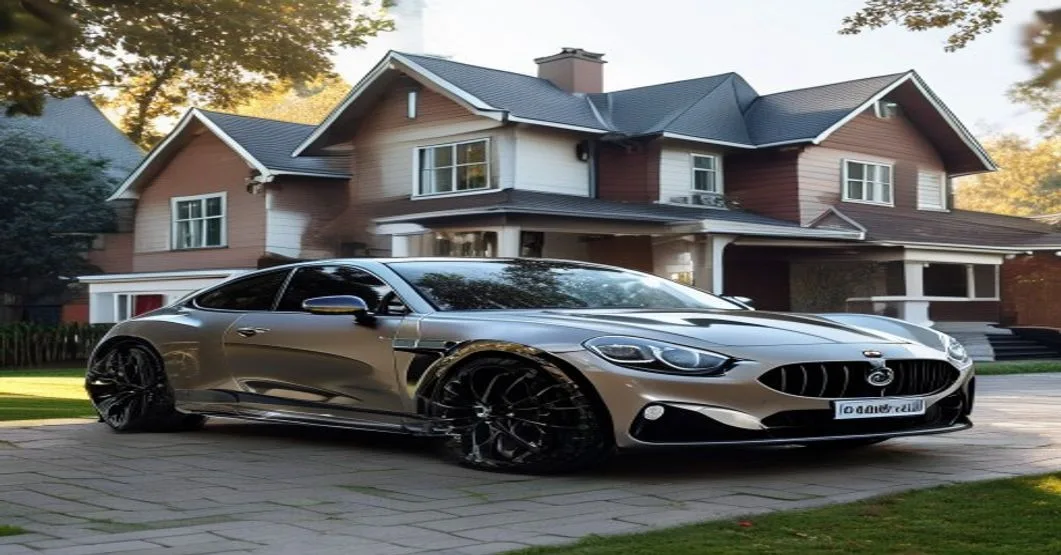
Third party property insurance covers damage your car causes to other people's vehicles and property, but not your own car.
Pexels - Huu Huynh
In this article
Key Takeaway
Third party property insurance covers damage your vehicle causes to other people’s cars, buildings, fences, and property, but does not cover damage to your own vehicle. It sits between Compulsory Third Party (CTP, which covers injury to people) and comprehensive cover, making it the most affordable option if you want property damage protection beyond the bare legal minimum.
What Third Party Property Insurance Covers
Third party property insurance pays for damage your car causes to someone else’s property in an accident where you are at fault. According to ASIC MoneySmart, this includes other vehicles, buildings, fences, letterboxes, and roadside infrastructure (MoneySmart, 2026).
The cover pays the cost to repair or replace the other person’s damaged property, up to the policy limit set out in your Product Disclosure Statement (PDS). Most policies have limits ranging from A$10 million to A$20 million for property damage claims.
You will typically pay an excess when you make a claim. The excess amount varies by insurer, driver age, and claim history.
What It Does Not Cover
This insurance does not cover damage to your own car. If your vehicle is damaged in an accident (whether you are at fault or not), you pay those repair costs yourself unless you have comprehensive cover.
It also does not cover:
- Injury to people (that is covered separately by Compulsory Third Party, your green slip or CTP registration component)
- Damage you cause intentionally
- Damage while driving under the influence
- Theft of your vehicle
- Fire damage to your own car (unless you upgrade to third party fire and theft)
Who Needs Third Party Property Insurance
Third party property insurance is not compulsory in Australia, but it provides important financial protection if you cause an accident. Without it, you are personally liable for the full cost of damage to other people’s property, which can run into tens of thousands of dollars.
This cover suits drivers who own an older or lower-value car and do not need comprehensive cover for their own vehicle, but want protection against the financial risk of damaging someone else’s expensive car or property.
Before choosing third party property cover, read the PDS and the Target Market Determination (TMD) for the specific policy, and confirm the excess, policy limits, and exclusions. If you are unsure which level of car insurance suits your situation, consider obtaining personal advice from a licensed insurance adviser (Insurance Council of Australia).
General Advice Warning: This article provides general information only and does not take into account your objectives, financial situation, or needs. Before acting on this information, consider whether it is appropriate for you and read the relevant Product Disclosure Statement (PDS). You should consider obtaining personal advice from a licensed insurance adviser.
Sources
- Car Insurance (accessed )
- Consumer Resources (accessed )
- Insurance (accessed )
Related articles
How to Compare Car Insurance Quotes in Australia the Right Way
Learn how to compare car insurance quotes in Australia properly. Check excess, inclusions, exclusions and read the PDS to get the right cover.
10 Proven Ways to Lower Your Car Insurance Premium in Australia
Learn 10 practical ways to reduce your car insurance premium in Australia, from choosing the right excess to building a no-claim discount.
Car Insurance Deals and Offers in Australia for July 2026
July 2026 guide to car insurance deals in Australia, including discounts, excess trade-offs, CTP, PDS checks and traps.
