Pet Insurance Cost in Australia: What Affects Your Annual Premium
Understand the key factors that determine pet insurance premiums for dogs and cats in Australia, from breed and age to cover type and location.
UmbrellaOwl / Insurance

Understand the key factors that determine pet insurance premiums for dogs and cats in Australia, from breed and age to cover type and location.

Compare income protection cover held through superannuation against standalone policies to find which offers better value for your situation.

Term life and trauma insurance serve different purposes in Australia. Learn which type of cover protects you best for your situation and whether you need both.

Gap cover helps reduce the difference between what Medicare and your health fund pay and what doctors actually charge, cutting your out-of-pocket hospital expenses.

Compare the benefits of relying on Medicare alone versus adding private health insurance, with analysis of costs, coverage, and waiting times for Australian residents.

Income protection and TPD insurance serve different purposes in your superannuation. Learn which cover suits your situation and how much you need.

Comparing life insurance held within superannuation versus standalone policies to help you understand costs, tax, control, and cover.

Compare landlord insurance options in Australia to protect your investment property from tenant damage, loss of rent, and liability claims.

Major life changes like marriage, having children, buying a home, or changing jobs can leave gaps in your cover or create unnecessary costs. Here's how to review your Australian insurance policies when life changes.

Compare the essential business insurance types available to Australian small businesses, from compulsory workers' compensation to optional public liability and professional indemnity cover.

Learn the step-by-step process to compare car insurance quotes accurately, avoid common pitfalls, and choose the policy that offers the best value for your specific needs.

Many Australian home insurance policies exclude or limit flood and cyclone cover, leaving homeowners exposed to catastrophic losses. Identify your coverage gaps and close them before the next severe weather event.

Learn the essential steps to successfully claim on your home insurance in Australia, from documentation to settlement.

Learn how to lodge a complaint with the Australian Financial Complaints Authority when your insurer denies or disputes your claim.

Trauma insurance pays a lump sum when you're diagnosed with a specified serious condition. Learn which illnesses are covered and how the benefit works in Australia.

Check whether your super fund's Total and Permanent Disability insurance actually protects you in the event of a serious injury or illness.

Learn how to choose travel insurance that actually protects you when travelling overseas, focusing on medical cover, exclusions, and pre-existing conditions rather than just the lowest premium.

Learn practical strategies to reduce your car insurance costs while maintaining appropriate cover for your needs.

Compare accident-only, comprehensive, and wellness-add-on pet insurance to find out whether the monthly premium makes sense for your pet, your budget, and your risk tolerance.

Australian renters need contents insurance to protect their belongings. Learn what it covers, why you need it, and how to calculate the right amount.

Compare term life, whole of life, and trauma cover to choose the right life insurance for your Australian family's needs and budget.

Learn what CTP insurance covers, why it's mandatory for vehicle registration, and how it differs from comprehensive car insurance in Australia.

Understanding the difference between hospital and extras cover helps you choose the right private health insurance for your needs and budget.

Compare what home insurance and contents insurance cover in Australia, understand key exclusions, and learn which policy type suits your needs.

Income protection insurance replaces a portion of your income if you cannot work due to illness or injury. Learn how to compare policies, understand waiting periods, benefit periods, and coverage options to find the right fit for your financial situation.

Discover practical strategies to reduce your car insurance costs in Australia, from adjusting your excess to building your no-claim discount.

A step-by-step guide to selecting income protection insurance that matches your needs, budget, and risk profile.

Trauma insurance pays a tax-free lump sum when you're diagnosed with a serious illness listed in your policy, helping cover medical costs and lost income during recovery.

Many Australians have TPD insurance through their superannuation without knowing it. Learn how to check if you're covered, understand what your policy includes, and ensure your protection is adequate.

Price alone does not reveal which travel insurance policy truly protects you overseas. Learn the coverage limits, exclusions, and claim conditions that separate comprehensive protection from false economy.

Learn how contents insurance protects your belongings as a renter, what's covered, how it differs from your landlord's policy, and how to choose the right sum insured for your situation.

Understand the key differences between hospital and extras cover in Australia to choose the right policy for your health needs and budget.

Understanding what your home and contents policies cover can save you from unpleasant surprises when you need to claim.

Accidental damage is now the most common home insurance claim type in South Australia, accounting for a significant portion of payouts. Understanding what counts as accidental damage and whether your policy covers it can save you thousands.

Money Magazine's Life Insurance Awards recognise Australia's top direct life insurers based on value, service, and claims experience. Here's what the Direct Life Insurer of the Year category means for Australian consumers.

Australian home insurance premiums are surging, with loyal customers often paying more than new customers for the same cover.

Northern Territory homeowners face ongoing home insurance premium rises driven by escalating natural disaster risks, reinsurance costs, and climate-related claims.

How collaboration between universities and insurers helps Australian communities prepare for and recover from cyclone damage through research, risk mapping, and community education programs.

The Australian Reinsurance Pool Corporation releases data on cyclone pool claims and participating insurers, showing the scheme's impact on Northern Australia insurance availability.

Around 1.6 million Australian households are under home insurance affordability stress. Here is what that figure means, and what to check before reducing cover.

Car insurance deals can reduce the first-year premium, but the best offer is the one that keeps the right cover after the discount ends.

Home insurance premiums can rise sharply because insurers price risk by location, not only by whether a home is inside an official flood zone. Here is what postcode pricing means and what Australian customers can check before renewing.

A huge home insurance premium should be queried, not accepted automatically. Check the details, compare cover, and escalate if the insurer cannot explain the price.

Extreme home insurance quotes usually point to flood, cyclone, bushfire or underinsurance risk. Before cancelling cover, check the assumptions behind the quote and what action your council, insurer and state schemes may affect.

A very high home insurance quote is usually a signal of risk pricing, not a normal market benchmark. Here is what Brisbane homeowners should check before accepting, reducing, or challenging a premium.

Ex-Tropical Cyclone Alfred generated a major insurance bill across Queensland and New South Wales. Here is what affected policyholders should check now.

Flood insurance is becoming unaffordable or unavailable for some Australian homes, especially in high-risk river, coastal and low-lying areas. Here is what uninsurable really means, why it happens and what households can check before buying or renewing cover.

Flood cover is not always included automatically in home insurance. Check the PDS, flood definition, exclusions, waiting periods and sum insured before you rely on a policy.

Australian homeowners are seeing higher home insurance premiums because repair costs, extreme weather risk and reinsurance costs are still flowing through renewals. Before cutting cover, check your sum insured, exclusions, excess and competing quotes.

Climate risk is making home insurance more expensive and harder to obtain in parts of Australia. Here is what the crisis means for homeowners and renters.

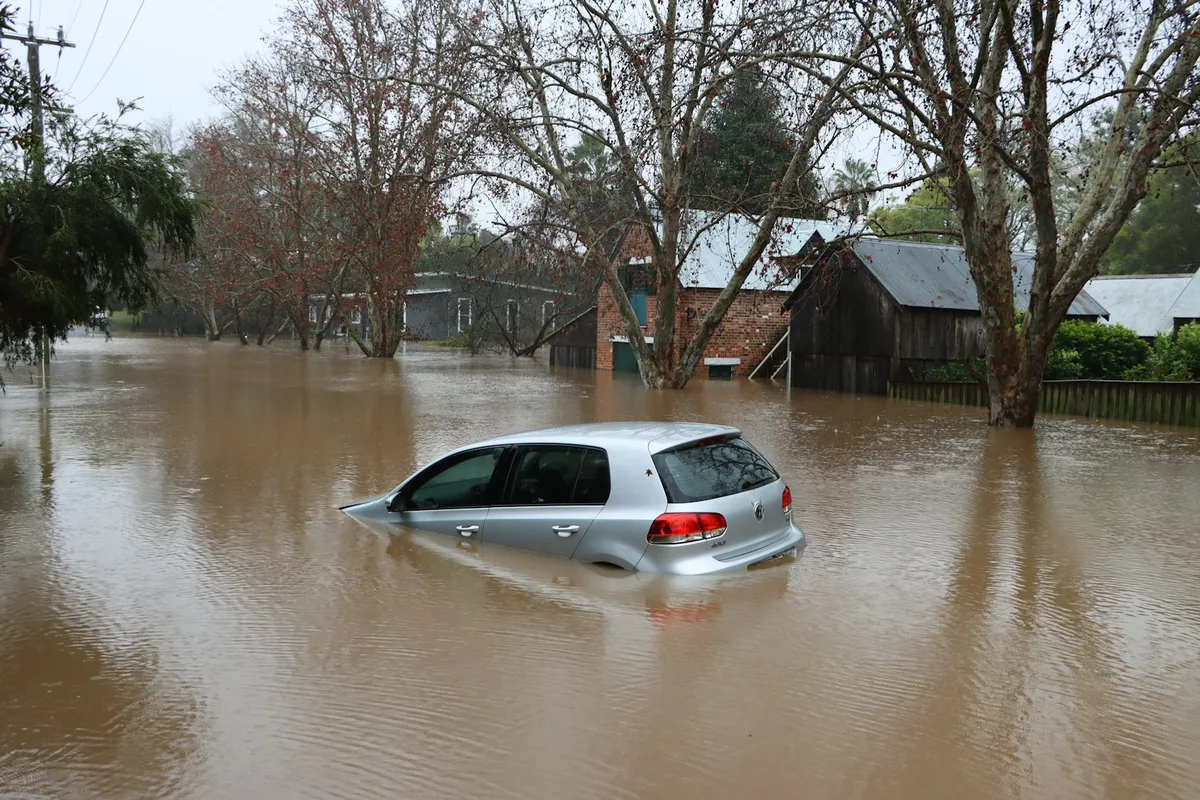
Flood risk can make home insurance hard to afford, especially when premiums rise after repeated disasters. Here is why it happens and what Australian households can check before renewing or cancelling cover.


Flood insurance can be worth having if your home, contents or rental property could be affected by riverine flooding, stormwater overflow or flood-prone local drainage. The key is to check whether flood is included, optional or excluded in your PDS before you rely on the cover.

There is no single national deadline for every car insurance claim in Australia. Your policy terms, the type of claim and any dispute pathway all matter.

Home insurance has become much more expensive across Australia. Here is what the 51% rise means for households and what to check before renewing.

Premium increases of up to 50% in flood and bushfire zones are driving Australians to drop home insurance cover, raising concerns about underinsurance and financial vulnerability.

The Australian private health insurance rebate is income tested and age based. This guide explains the moving parts before you use the rebate calculator.

Pet insurance premiums in Australia usually depend on your pet's species, breed, age, location, benefit limits, excess and chosen cover level. Understanding these factors can help you use a pet insurance cost estimator more realistically.

A Brisbane homeowner's $70,000 annual premium quote highlights the growing home insurance affordability crisis driven by climate risk, flood exposure, and reinsurance costs.

Flood-risk ratings used by Australian insurers are generally accurate but increasingly lag behind climate reality, contributing to premium increases even for properties that have never flooded.

Reducing home insurance before storm, cyclone or flood season can leave Australian homeowners exposed to large repair bills. Review your cover instead of cutting it blindly.

As severe weather events intensify across Australia, many homeowners remain dangerously underinsured for flood damage.

Flood cover is often optional in Australian home insurance. Here's what to consider before cyclone and flood season.

Understanding what drives health insurance sign-ups in Australia and how participation rates are shifting.

Quieter cyclone season predictions rarely translate to immediate premium reductions, as insurers price risk using long-term models, historical claims data, and reinsurance costs rather than short-term forecasts.

Rising premiums in cyclone and flood-prone areas are forcing Australian homeowners to reduce cover or go uninsured, leaving many exposed to catastrophic losses.

Australian homeowners in high-risk areas face critical decisions about flood cover as cyclone and wet season approach.

Australian families face increasing private health insurance premiums, but government rebates and assistance programs can reduce the financial burden for eligible households.

Australian authorities recommend reviewing flood cover before severe weather season, but many standard home policies exclude or limit flood damage. Here's what you need to know.

Australian homeowners face evolving flood cover rules and premium pressures as the next storm season nears, making policy review more critical than ever.

Flood cover is not automatic in Australian home insurance policies. Understand what is covered, why it matters, and how to protect your property.

A no-claim bonus rewards drivers with lower premiums for each year they don't make an insurance claim.

Third party property insurance covers damage your car causes to other people's vehicles and property, but not your own car.

Australian home insurance premiums typically range from A$800 to A$2,500 annually depending on location, cover type, and sum insured.

Storm and cyclone season brings significant flood risk to many Australian homes. Learn how to secure proper flood cover before the wet season arrives.

Standard contents insurance often caps cover for valuables. Learn how to protect expensive jewellery, art, and collectibles with specified items cover and professional valuations.

Understanding excess is crucial for managing insurance costs and claims. Learn how excess applies to your home and car policies, when you pay it, and how to choose the right amount.

Australian cyclone season begins 1 November 2026. Review your home and contents insurance now to ensure you're protected against storm damage, flooding, and cyclone-related losses.

Landlord insurance protects investment property owners from financial loss when tenants cause damage, default on rent, or when your property faces unexpected perils.

A comprehensive guide to selecting the right car insurance policy in Australia, from understanding CTP to choosing between comprehensive and third party cover.
Get new articles?
Want notifications about new articles and tools? You can unsubscribe anytime, and we store no personal data about you.