Flood Insurance Changes Australian Homeowners Should Watch as Storm Season Approaches
Australian homeowners face evolving flood cover rules and premium pressures as the next storm season nears, making policy review more critical than ever.
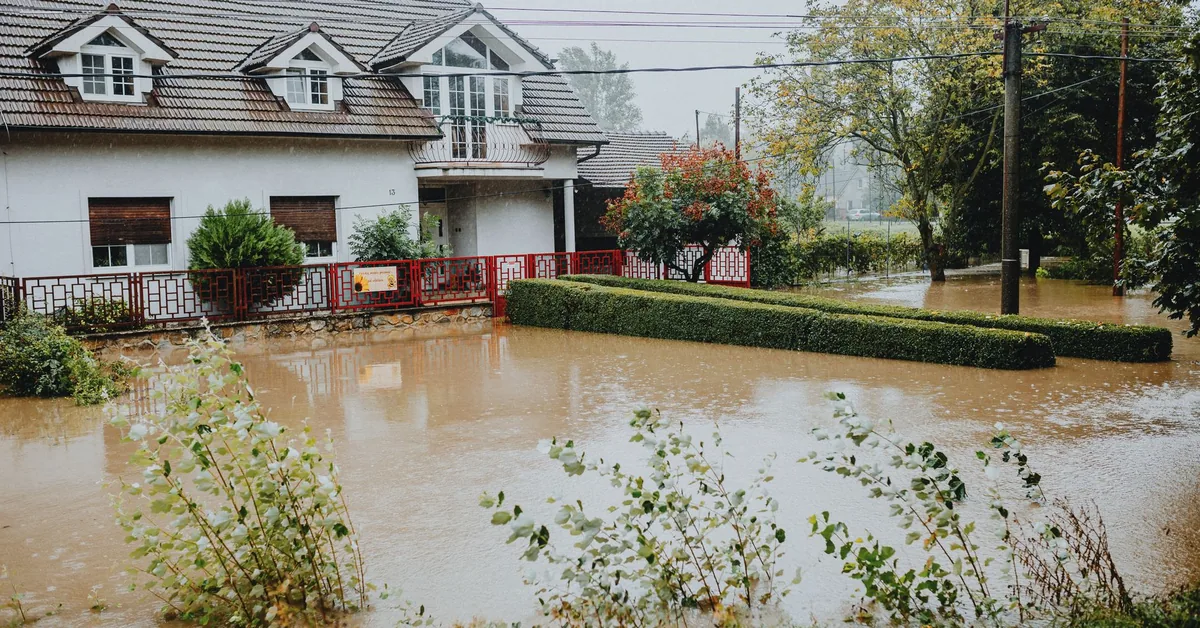
Pexels - Helena Jankovičová Kováčová · original
In this article
Key Takeaway
As Australia’s storm and cyclone season approaches, homeowners should review their flood cover now. Insurers are adjusting flood definitions, premiums, and policy terms in high-risk areas, and waiting until severe weather threatens could leave gaps in cover or force rushed decisions. Check your Product Disclosure Statement (PDS) for what flood events are included, confirm your sum insured reflects current rebuild costs, and consider whether your excess is manageable if you need to claim.
Flood Cover in Australia: What You Need to Know
Unlike the United States, Australia has no single federal flood insurance scheme. Instead, flood cover is typically offered as part of home and contents insurance policies or as an optional add-on, depending on the insurer and the risk profile of your property. According to ASIC MoneySmart, Australian policies must now use a standard definition of flood (the covering of normally dry land by water that escapes or is released from a watercourse, lake, or similar body), but the level of cover, excess, and premium vary widely by location and insurer.
In cyclone-prone areas across northern Australia, the federal government introduced the Cyclone Reinsurance Pool in 2022 to help stabilise premiums, but coverage gaps and affordability pressures persist in flood zones nationwide. The Insurance Council of Australia notes that policies differ significantly: some include flood as standard, others exclude it entirely, and many cap payouts or impose higher excesses in high-risk postcodes.
What’s Changing Heading into Storm Season
Several trends are converging as the 2026-2027 storm season nears. Insurers are repricing policies in flood-exposed areas following recent severe weather events, and some are tightening terms or withdrawing from the highest-risk markets altogether. Homeowners renewing policies may see premium increases, higher flood excesses, or new exclusions for certain types of water damage.
At the same time, updated flood mapping and climate risk data are prompting insurers to reassess which properties fall into elevated-risk categories. Properties previously considered moderate-risk may now face higher premiums or stricter policy conditions. This makes reviewing your PDS and comparing quotes more important than in past years.
What You Should Do Now
Start by reading your current home insurance PDS to confirm flood is included and understand what is covered. Check the excess you would pay for a flood claim (it is often higher than the standard policy excess) and verify your sum insured reflects the true cost to rebuild your home, not just its market value. If flood cover is excluded or inadequate, request quotes from other insurers or ask your current provider about adding it before renewals spike closer to storm season.
Consider also whether your contents insurance includes flood damage and whether any limitations apply to items stored in basements, garages, or sheds. Review your policy’s waiting periods: some flood cover comes with a 72-hour or longer waiting period after purchase, meaning you cannot buy cover once a storm is forecast and expect immediate protection.
For properties in cyclone or flood-prone regions, confirm your insurer participates in the Cyclone Reinsurance Pool and ask how it affects your premium. If you are struggling with affordability, speak to a licensed insurance adviser about ways to manage costs without leaving critical risks uninsured.
Finally, document your home and belongings with photos and receipts now, and store copies offsite or in the cloud, so you are prepared if you need to make a claim. For more guidance, visit australia.gov.au for disaster preparedness resources and links to state-based emergency services.
General Advice Warning: This article provides general information only and does not take into account your objectives, financial situation, or needs. Before acting on any information in this article, you should consider whether it is appropriate for you, read the relevant Product Disclosure Statement (PDS), and consider obtaining personal advice from a licensed insurance adviser. Cover, exclusions, premiums, and availability vary by insurer and by location. Always confirm current terms directly with your insurer or adviser before making decisions about your insurance.
Sources
- Insurance (accessed )
- Consumer Resources (accessed )
- Australian Government Services (accessed )
Related articles
Should You Get Flood Insurance Before Storm Season in Australia?
Australian officials urge homeowners to review flood insurance before severe weather season. Many policies exclude flood damage. Learn what to check now.
What Australian Homeowners Should Know About Flood Insurance
Flood cover is not automatic in Australian home insurance. Learn what is covered, when you need it, and how to protect your property.
How to Buy Flood Insurance Before Australia's Storm Season Begins
Practical guide to buying flood insurance before storm season in Australia. Understand cover options, assess risk, and secure protection.
