Should You Get Flood Insurance Before Storm Season in Australia?
Australian authorities recommend reviewing flood cover before severe weather season, but many standard home policies exclude or limit flood damage. Here's what you need to know.
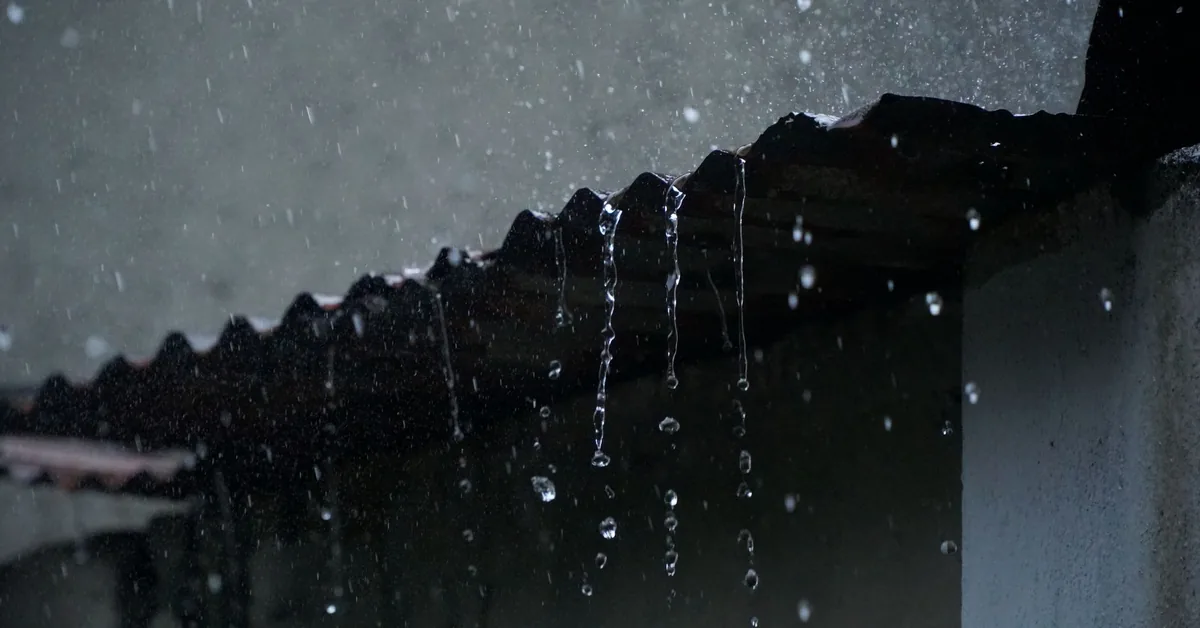
Pexels - Nguyễn Hữu Nhã · original
Key Takeaway: With Australia’s severe weather season approaching, authorities recommend all homeowners review their flood cover now, not after a weather warning. Many standard home insurance policies exclude flood damage entirely or apply restrictive sub-limits and excesses. Check your Product Disclosure Statement (PDS) to confirm whether you have flood cover, and if you do not, consider adding it before storm and cyclone season intensifies.
Why Flood Cover Matters Before Severe Weather Season
Across northern Australia, cyclone season typically runs from November through April, while southern regions face heightened flood risk during winter and spring. According to the Insurance Council of Australia, flood remains one of the most common exclusions or limitations in standard home and contents policies, yet flooding causes billions of dollars in residential damage across Australia each year.
The critical issue is that most insurers will not allow you to add flood cover or increase your sum insured once a severe weather warning or cyclone watch has been issued for your area. If you wait until a storm system appears on the forecast, you have likely missed the window to obtain cover for that event.
What Your Home Insurance May Not Cover
Standard home insurance policies vary significantly in their treatment of flood:
Excluded entirely: Some policies exclude flood damage from building and contents cover, leaving you to meet repair and replacement costs yourself.
Included with sub-limits: Other policies include flood cover but cap payouts at a much lower figure than your total sum insured (for example, A$10,000 flood cover on a policy with A$500,000 building cover).
Included with high excesses: Some policies include flood but apply a separate, higher excess (for example, A$2,500 for flood claims versus A$500 for other claims).
Read also: Flood Insurance Changes Australian Homeowners Should Watch as Storm Season Approaches
The definition of “flood” also matters. Policies define flood differently from storm damage or water entering through the roof. Read your PDS carefully to understand what is and is not covered. Water damage from a leaking roof during a storm is typically covered, while rising water entering through doors or windows may be treated as flood and excluded.
What to Do Now
Review your current home insurance PDS and identify whether flood is covered, excluded, or limited. If you do not have flood cover and you live in a flood-prone area (consult your local council’s flood maps or the Bureau of Meteorology historical data), contact your insurer or a licensed insurance adviser to discuss adding it before severe weather season.
According to ASIC MoneySmart, compare policies carefully, as flood cover terms, excesses, and premiums vary widely between insurers. Consider whether your property has flooded historically, whether it is in a low-lying area or near waterways, and whether you can afford to rebuild or replace contents without insurance if flooding occurs.
If flood cover is unavailable or unaffordable for your property, ensure you have an emergency plan and consider whether physical flood mitigation measures (such as raising electrical outlets, installing barriers, or storing valuables above floor level) are appropriate for your situation.
General Advice Warning: This article provides general information only and does not take into account your objectives, financial situation, or needs. Before acting on this information, consider whether it is appropriate for you, read the relevant Product Disclosure Statement (PDS), and consider obtaining personal advice from a licensed insurance adviser. Flood cover, exclusions, premiums, and availability vary significantly by insurer, property location, and flood risk. Always confirm current terms in the PDS and with your insurer or a licensed adviser before deciding. Information is current as of June 2026.
Sources
- Insurance (accessed )
- Consumer Resources (accessed )
- Australian Government (accessed )
Related articles
Flood Insurance in Australia: Why Storm Season Makes Cover Critical
Storm season exposes Australia's flood insurance gap. Learn why standard home cover may not protect you and what flood insurance actually covers.
Flood Insurance Changes Australian Homeowners Should Watch as Storm Season Approaches
Australian homeowners should review flood cover now as storm season nears and insurers adjust policies and premiums in high-risk areas.
Weighing the Risks of Flood Insurance as Cyclone Season Nears in Australia
Australian homeowners in cyclone and flood-prone regions weigh flood insurance costs against rising natural disaster risks. What to consider.
