Flood Insurance in Australia: Why Storm Season Makes Cover Critical
As severe weather events intensify across Australia, many homeowners remain dangerously underinsured for flood damage.
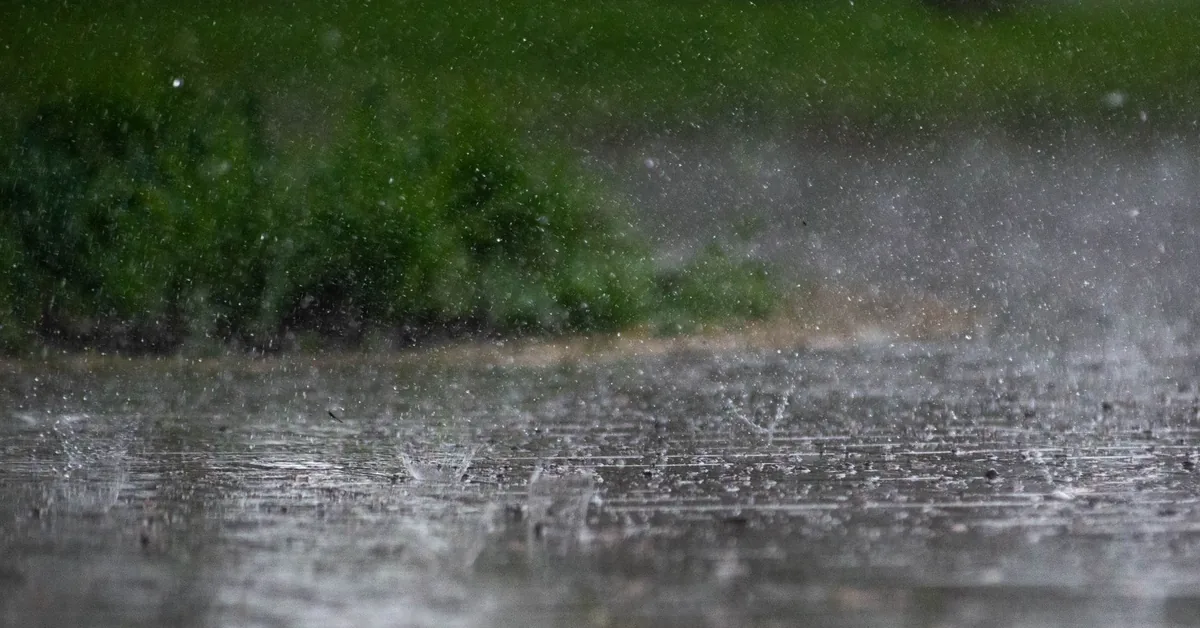
Pexels - Александр Лич · original
In this article
Key Takeaway
Flood insurance is not automatically included in standard Australian home insurance policies, and many homeowners discover this gap only after water damage occurs. With storm season intensifying and severe weather events becoming more frequent across the country, reviewing your policy now to confirm flood cover is in place can prevent financial devastation when disaster strikes.
The Flood Cover Gap Most Australians Don’t Know About
Standard home and contents insurance in Australia typically covers storm damage, but flood cover is a separate matter. According to the Insurance Council of Australia, flood damage has historically been excluded from many policies, and while most insurers now offer flood cover, it is not always included by default (Insurance Council of Australia, 2026).
The distinction matters critically during severe weather events. Storm damage (wind, hail, rain entering through storm-damaged roofs or walls) is generally covered, but water entering from overflowing rivers, creeks, or stormwater drains may fall under the flood exclusion if you have not specifically purchased flood cover.
Why Storm Season Raises the Stakes
Australia’s storm season varies by region. Northern Australia faces cyclone season from November through April, while the eastern seaboard experiences severe storms and flooding predominantly during summer months. Recent years have seen catastrophic flooding in Queensland and New South Wales, with insured losses running into billions of dollars.
Many homeowners affected by these events discovered their policies excluded flood damage, leaving them to fund repairs and replacement from their own resources. ASIC MoneySmart warns that understanding exactly what your policy covers before disaster strikes is essential (MoneySmart, 2026).
What Flood Cover Actually Protects
When included in your policy, flood insurance covers damage to your home and contents caused by water overflowing from natural watercourses, lakes, or stormwater drainage systems. This includes structural damage to the building, destruction of personal belongings, and in some cases, temporary accommodation costs while your home is uninhabitable.
Flood cover does not typically extend to coastal erosion, storm surge in some policies, or gradual water seepage. The precise definition of flood varies between insurers, so reading your Product Disclosure Statement (PDS) is critical to understanding your actual protection.
Read also: Should You Get Flood Insurance Before Storm Season in Australia?
How to Check Your Cover Now
Contact your insurer or review your current PDS to confirm whether flood cover is included. If it is not, request a quote to add it. Be aware that some insurers will not offer flood cover for properties in high-risk flood zones, or may impose higher excesses and premiums.
If you are in a flood-prone area and cannot obtain standard flood cover, investigate whether you are eligible for support through government disaster assistance schemes. However, these schemes typically provide only partial assistance and cannot replace comprehensive insurance.
The Cost of Waiting
Insurers often impose waiting periods when you add flood cover to an existing policy, meaning you may not be protected immediately. Once a severe weather event is forecast or a flood watch is issued, insurers may temporarily stop issuing new policies or adding flood cover to existing ones.
Reviewing and updating your cover during the quieter months, well before storm season peaks, ensures you are protected when severe weather arrives.
General Advice Warning: This article provides general information only and does not take into account your objectives, financial situation, or needs. Before acting on this information, consider whether it is appropriate for you and read the relevant Product Disclosure Statement (PDS). Consider obtaining personal advice from a licensed insurance adviser for your specific circumstances. Coverage, exclusions, premiums, and availability vary by insurer, state, and individual property risk. Always confirm current policy terms directly with your insurer and review your PDS before making insurance decisions.
Sources
- Insurance - MoneySmart (accessed )
- Consumer Resources - Insurance Council of Australia (accessed )
- Australia.gov.au - Official Government Portal (accessed )
Related articles
Should You Get Flood Insurance Before Storm Season in Australia?
Australian officials urge homeowners to review flood insurance before severe weather season. Many policies exclude flood damage. Learn what to check now.
Flood and Cyclone Insurance Coverage Gaps in Australia
Identify flood and cyclone coverage gaps in your Australian home insurance policy and avoid costly underinsurance when disaster strikes.
Weighing the Risks of Flood Insurance as Cyclone Season Nears in Australia
Australian homeowners in cyclone and flood-prone regions weigh flood insurance costs against rising natural disaster risks. What to consider.
