Flood and Cyclone Insurance Coverage Gaps in Australia
Many Australian homeowners discover too late that their standard home insurance excludes flood and cyclone damage, or covers only part of their rebuilding costs.
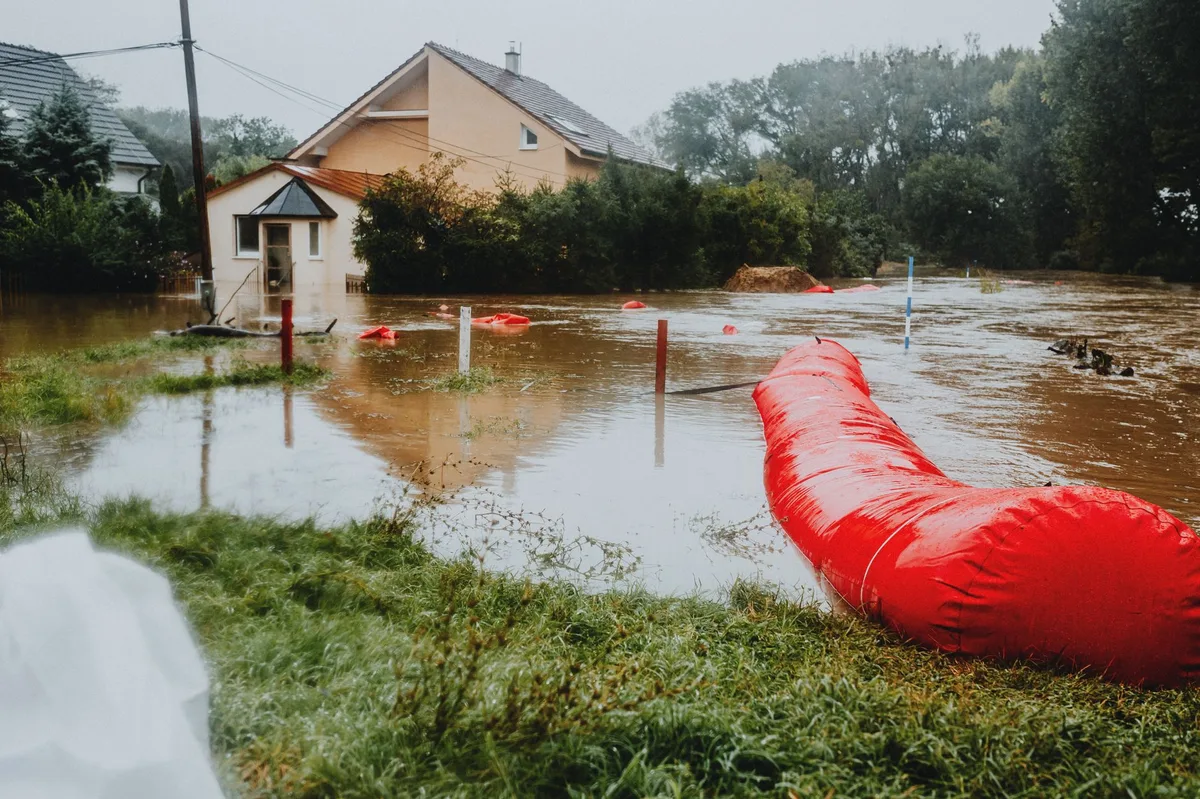
Unsplash - Ali Kazal · original
In this article
Key Takeaway: Standard home insurance policies in Australia often exclude flood cover or impose separate excesses for cyclone damage, leaving homeowners severely underinsured when natural disasters strike. Even when flood or cyclone cover is included, your sum insured may fall short of actual rebuilding costs, particularly in high-risk regions where construction materials and labour surge after widespread damage.
The Coverage Gap Problem
Flood and cyclone damage represent the two most costly natural disaster risks for Australian homeowners, yet they are also the most commonly underinsured perils. According to the Insurance Council of Australia, many policies sold across Queensland, New South Wales, the Northern Territory, and Western Australia carry exclusions or sub-limits that leave policyholders exposed (Insurance Council of Australia, 2026).
A coverage gap occurs when the difference between your policy’s stated cover and your actual exposure creates a financial shortfall. For flood and cyclone claims, three gaps are most common: the peril is excluded entirely, the sum insured is too low to rebuild, or specific damage types such as storm surge or landslip are carved out of the cover.
Why Flood and Cyclone Gaps Persist
Insurers price flood and cyclone cover based on postcode-level risk modelling. Properties in declared flood zones or cyclone-prone regions face higher premiums, and some insurers decline to offer cover at all. Homeowners who secure a policy may accept a lower sum insured to reduce the premium, not realising that post-disaster rebuilding costs in affected areas can spike by 30 to 50 per cent due to material shortages and contractor demand.
Strata-titled properties add another layer of complexity. Unit owners rely on the body corporate’s building insurance to cover structural damage, yet gaps in the strata policy directly affect all owners. If the body corporate has underinsured the building or excluded cyclone cover, individual owners cannot fill the gap through their contents policy.
Common Exclusions and Sub-Limits
Review your Product Disclosure Statement (PDS) for these typical restrictions:
- Flood definition: Policies define flood narrowly (for example, overflow of a natural watercourse) and may exclude rainwater runoff, storm surge, or actions of the sea.
- Cyclone excess: A separate, higher excess applies to cyclone claims, often expressed as a percentage of the sum insured (1 to 5 per cent) rather than a flat dollar amount.
- Temporary accommodation limits: Sub-limits on alternative accommodation can leave you short if rebuilding takes months.
- Landslip and subsidence: Often excluded or covered only if caused by a defined storm event, not gradual movement.
Read also: Flood Insurance in Australia: Why Storm Season Makes Cover Critical
How the Coverage Checklist Helps
The Underinsurance Coverage Checklist steps you through your policy’s flood and cyclone terms, compares your sum insured to realistic rebuilding estimates for your area, and flags exclusions that create exposure. It prompts you to verify whether your agreed value or market value cover reflects current construction costs, confirm that your strata policy (if applicable) matches the building’s replacement cost, and identify whether you need standalone flood or additional cover for high-risk perils.
By working through the checklist before disaster strikes, you can close gaps while policies remain in force and premiums are negotiable. Waiting until after a flood or cyclone is declared means coverage changes take effect only at the next renewal, leaving you underinsured for the immediate event.
What to Do Next
Read your PDS and the Target Market Determination (TMD) for your home insurance policy, paying close attention to the flood definition, cyclone excess, and sum insured adequacy. Use the checklist to identify gaps, then contact your insurer or a licensed insurance adviser to adjust your cover. For properties in flood or cyclone zones, consider whether agreed value cover (which locks in a rebuilding sum) provides better protection than market value, which may lag behind post-disaster construction costs.
If you own a strata-titled property, request a copy of the body corporate’s building insurance certificate of currency and verify that the sum insured covers full replacement, not just the outstanding mortgage balance. According to ASIC MoneySmart, underinsurance is most common when homeowners set their sum insured based on purchase price rather than rebuilding cost (MoneySmart, 2026).
General Advice Warning: This article provides general information only and does not take into account your personal objectives, financial situation, or needs. Before acting on this information, consider whether it is appropriate for you and read the relevant Product Disclosure Statement (PDS) and Target Market Determination (TMD). You should consider obtaining personal advice from a licensed insurance adviser. Flood cover, cyclone cover, exclusions, and sum insured limits vary by insurer, by policy, and by location. Always verify current terms in your PDS and confirm cover details with your insurer or a licensed adviser before making decisions.
Sources
- Insurance Council of Australia Consumer Resources (accessed )
- Insurance Overview (accessed )
- Australian Government Services (accessed )
Related articles
Flood Insurance in Australia: Why Storm Season Makes Cover Critical
Storm season exposes Australia's flood insurance gap. Learn why standard home cover may not protect you and what flood insurance actually covers.
Flood Insurance Changes Australian Homeowners Should Watch as Storm Season Approaches
Australian homeowners should review flood cover now as storm season nears and insurers adjust policies and premiums in high-risk areas.
Weighing the Risks of Flood Insurance as Cyclone Season Nears in Australia
Australian homeowners in cyclone and flood-prone regions weigh flood insurance costs against rising natural disaster risks. What to consider.
