Weighing the Risks of Flood Insurance as Cyclone Season Nears in Australia
Australian homeowners in high-risk areas face critical decisions about flood cover as cyclone and wet season approach.
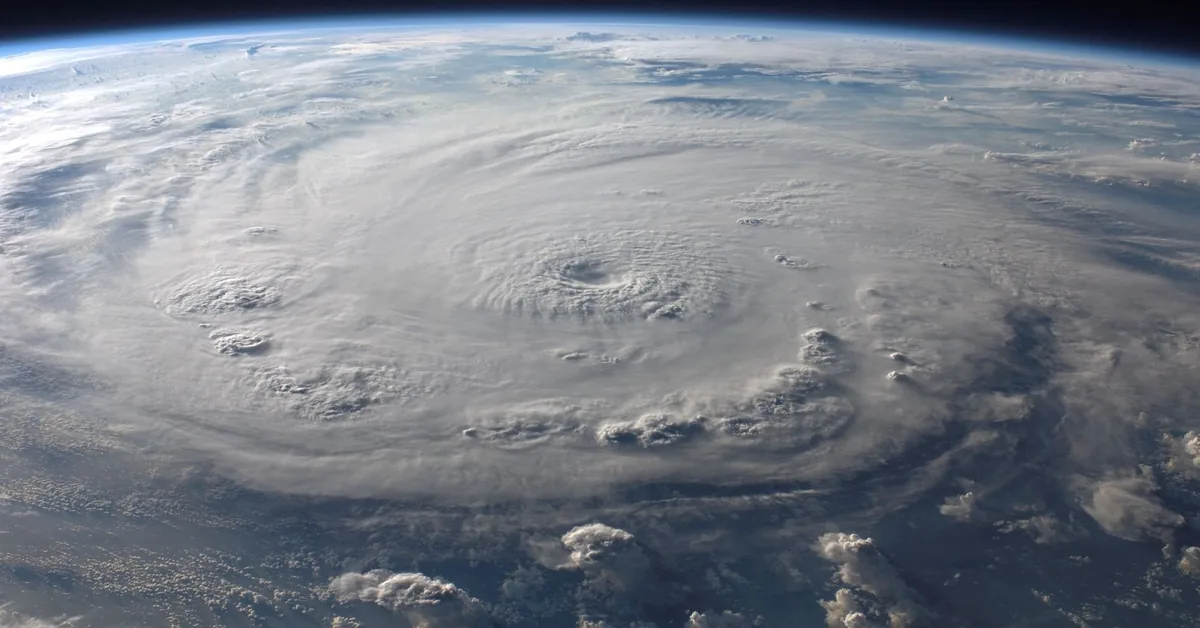
Pexels - Pixabay · original
In this article
Key Takeaway
Flood cover in Australia is typically included in standard home and contents insurance policies, but exclusions, rising premiums, and regional availability vary significantly. Homeowners in cyclone-prone coastal areas and flood-risk zones face a critical decision: pay higher premiums for comprehensive flood protection, or risk substantial out-of-pocket losses if disaster strikes. With cyclone season approaching and climate risks intensifying, understanding your policy’s flood definition, exclusions, and the actual flood risk at your property is essential.
The Growing Flood Insurance Dilemma
As Australia’s cyclone season approaches (typically November through April in northern regions), homeowners in Queensland, northern New South Wales, the Northern Territory, and coastal Western Australia confront a familiar tension: the rising cost of flood insurance against the escalating risk of catastrophic flood events.
The 2022 Queensland and New South Wales floods, which generated over A$5.6 billion in insured losses according to the Insurance Council of Australia, underscored the financial devastation floods can inflict (Insurance Council of Australia, 2026). In the aftermath, many homeowners discovered gaps in their cover, disputed definitions of “flood,” or found themselves underinsured for the actual cost of rebuilding and replacing contents.
Today, as insurers reassess risk in the face of more frequent and severe weather events, premiums in high-risk areas have climbed sharply, some properties have become difficult or impossible to insure affordably, and homeowners must weigh the financial trade-off between paying for comprehensive flood protection and gambling on another year without disaster.
What Is Flood Cover in Australia?
In Australia, flood cover is generally included in standard home (building) insurance and contents insurance policies, but this was not always the case. Following widespread confusion and disputes after earlier flood events, the insurance industry and regulators standardised the definition of flood in 2012.
The standard definition describes flood as the covering of normally dry land by water that has escaped or been released from the normal confines of a lake, river, creek, or other natural watercourse (whether or not modified), a reservoir, canal, or dam (ASIC MoneySmart, 2026).
Importantly, flood cover does not mean every water-related event is covered. Policies typically exclude or separately define events such as storm surge, actions of the sea, and water seeping through the ground. Some policies also exclude or limit cover for landslip or subsidence triggered by flood. Always read your Product Disclosure Statement (PDS) to understand exactly what is and is not covered.
Why Flood Cover Matters Now
Climate data and insurance industry analysis consistently show that the frequency and intensity of extreme weather events, including heavy rainfall and cyclonic systems, are increasing across northern and eastern Australia. Properties that may have experienced minor flooding once every few decades now face the risk of repeated inundation within shorter time frames.
For homeowners, this translates to:
- Higher premiums reflecting updated risk models and past claims experience in your area.
- Potential difficulty obtaining cover at all if your property falls into a newly identified high-risk flood zone.
- Increased likelihood of needing to make a claim, turning flood cover from a theoretical safeguard into a near-certain financial necessity.
The cost of rebuilding a flood-damaged home, replacing ruined contents, and covering temporary accommodation can easily exceed A$100,000 to A$300,000 or more depending on the severity of damage and the size of the home. Without adequate cover, these costs fall entirely on the homeowner.
How Flood Cover Works: Inclusions and Exclusions
Most standard home and contents policies now include flood cover by default, but you should verify this in your PDS. Key points to understand:
- Building cover: pays to repair or rebuild your home (up to the sum insured) if flood damages the structure, fixtures, and permanent installations.
- Contents cover: pays to replace furniture, appliances, clothing, and personal belongings damaged by floodwater (up to the sum insured).
- Temporary accommodation: many policies include cover for reasonable costs of alternative accommodation while your home is uninhabitable, subject to limits and conditions.
- Exclusions: common exclusions include flood damage to unfenced outdoor items, damage caused by lack of maintenance, flood that results from your own actions (such as leaving windows open), and damage from storm surge or actions of the sea (which may be covered separately or not at all).
Some insurers offer the option to remove flood cover in exchange for a lower premium. This may be tempting if you believe your property is not at risk, but it is critical to base that decision on objective flood-risk mapping and expert advice, not assumption.
Cost Considerations
Flood insurance premiums in high-risk areas have risen substantially. According to the Insurance Council of Australia, properties in identified flood zones can face premiums several times higher than comparable properties in low-risk areas. In some extreme-risk locations, insurers have withdrawn cover entirely or offered it only at prohibitive cost.
Read also: What Australian Homeowners Should Know About Flood Insurance
Homeowners should expect:
- Annual premiums for combined home and contents insurance ranging from A$1,500 to over A$10,000 depending on location, sum insured, excess, and claims history.
- Higher excesses (the amount you pay before the insurer contributes) for flood claims, sometimes A$2,500 to A$5,000 or more.
- Premium increases at renewal as insurers update risk models and as you age or make claims.
Balancing the cost of cover against the financial exposure of going uninsured requires careful calculation. A single flood event can wipe out a decade of saved premiums and leave you with crippling debt.
Risk Factors to Weigh
When deciding whether comprehensive flood cover is worth the cost, consider:
- Property location: properties in low-lying areas, near rivers, creeks, or coastal zones, or in catchments with a history of flash flooding carry higher risk.
- Flood mapping: consult local council flood studies and state government natural hazard mapping tools to understand your property’s official flood risk classification.
- Building age and construction: older homes or those built before modern flood-resilient building codes may be more vulnerable to severe damage.
- Your financial capacity: could you absorb a A$200,000 loss if your home flooded and you had no insurance? For most homeowners, the answer is no.
- Loan requirements: lenders typically require home insurance as a condition of a mortgage, and removing flood cover may breach your loan agreement.
Making the Decision
If your property is in a high-risk flood zone, comprehensive flood cover is almost always the prudent choice despite the cost. The alternative is catastrophic financial exposure.
If your property is in a moderate or low-risk area, verify the actual risk using official mapping and consider your broader financial situation, your ability to self-insure, and the likelihood of more frequent extreme weather in the future.
Before making any decision:
- Read your PDS and the Target Market Determination (TMD) to understand what your policy actually covers.
- Compare quotes from multiple insurers, as pricing and coverage terms vary.
- Consider obtaining advice from a licensed insurance broker or financial adviser who can assess your specific situation.
- Review your sum insured and contents value to ensure they are adequate (underinsurance is a common problem that leaves homeowners short even when they have a policy).
Conclusion
As cyclone and wet season approach, Australian homeowners in flood-prone regions face a decision that carries real financial consequences. Flood cover is widely available and generally included in standard policies, but the cost has risen sharply in high-risk areas, and exclusions and limits can catch the unwary.
The trade-off is stark: pay higher premiums now for peace of mind and financial protection, or risk devastation if the next major flood event strikes your property. Given the rising frequency of extreme weather and the enormous cost of rebuilding, comprehensive flood cover is a critical safeguard for most homeowners in at-risk areas.
Read your Product Disclosure Statement, verify your property’s flood risk using official mapping, and consult a licensed adviser to ensure your cover matches your exposure. The decision you make today could determine your financial future tomorrow.
General Advice Warning
This article provides general information only and does not take into account your objectives, financial situation, or needs. Before making any decision about flood insurance, you should consider whether it is appropriate for you, read the relevant Product Disclosure Statement (PDS) and Target Market Determination (TMD), and consider obtaining personal advice from a licensed insurance adviser or financial adviser. Flood cover, premiums, exclusions, and availability vary by insurer, policy, and location. Verify current terms with your insurer and check your property’s flood risk using official government flood mapping tools before deciding. For disputes or complaints about insurance, contact the Australian Financial Complaints Authority (AFCA) at www.afca.org.au.
Sources
- Insurance (accessed )
- Consumer Resources (accessed )
- Make a Complaint (accessed )
Related articles
What Australian Homeowners Should Know About Flood Insurance
Flood cover is not automatic in Australian home insurance. Learn what is covered, when you need it, and how to protect your property.
How to Buy Flood Insurance Before Australia's Storm Season Begins
Practical guide to buying flood insurance before storm season in Australia. Understand cover options, assess risk, and secure protection.
Flood Insurance in Australia: Why Storm Season Makes Cover Critical
Storm season exposes Australia's flood insurance gap. Learn why standard home cover may not protect you and what flood insurance actually covers.
