ARPC Cyclone Pool Statistics: $950 Million in Claims Payouts as of July 2026 in Australia
The Australian Reinsurance Pool Corporation's quarterly data reveals $950 million in cyclone claims paid through the reinsurance pool as of 31 July 2026, supporting insurers and maintaining cover availability across northern Australia.

Pexels - Pok Rie · original
In this article
The Australian Reinsurance Pool Corporation (ARPC) released its quarterly cyclone reinsurance pool statistics showing $950 million in claims payouts as of 31 July 2026. These figures reflect the pool’s critical role in absorbing catastrophic cyclone losses across northern Australia, ensuring insurers can continue offering affordable home and business cover in cyclone-prone regions. The statistics demonstrate how the government-backed reinsurance scheme protects both insurers and policyholders from the financial impact of severe tropical cyclones.
What the Statistics Reveal
The ARPC’s quarterly report shows cumulative claims of $950 million processed through the cyclone reinsurance pool since its establishment, with the latest data capturing events through 31 July 2026. The cyclone reinsurance pool was created by the Australian Government to address the insurance affordability and availability crisis in northern Australia, where catastrophic cyclone risk had driven premiums to unsustainable levels and caused some insurers to withdraw from the market entirely.
According to the ARPC, these payouts cover claims from cyclones that damaged residential properties, commercial buildings, and strata-titled units across Queensland, the Northern Territory, and Western Australia. The pool operates by providing insurers with reinsurance (insurance for insurers) for cyclone-related losses above a certain threshold, funded by levies on insurers and backed by a government guarantee of up to $10 billion.
How the Cyclone Reinsurance Pool Works
The ARPC administers the cyclone reinsurance pool, which began accepting risk on 1 July 2022. When a cyclone causes insured damage, the homeowner or business makes a claim with their insurer as usual. The insurer pays the claim and handles the assessment. Behind the scenes, if the insurer’s total cyclone losses exceed their retention (the amount they keep on their own books), the ARPC reimburses the insurer for losses above that threshold, up to the pool’s capacity.
This arrangement reduces the cost of reinsurance for insurers operating in cyclone-exposed areas. Traditional commercial reinsurance for cyclone risk in northern Australia had become extremely expensive, and those costs were passed directly to policyholders through higher premiums. By providing government-backed reinsurance at a lower, more stable cost, the pool aims to reduce premiums by an average of tens of percentage points over time and prevent insurers from exiting the market.
The mechanism is covered in foundational texts such as Principles of Finance, which explain how reinsurance pools distribute catastrophic risk across a broader base and stabilise insurance markets facing concentrated natural disaster exposure.
What This Means for Policyholders
For homeowners and businesses in cyclone-prone regions, the pool’s operation means insurers are more willing to offer comprehensive home insurance and business cover that includes cyclone damage. Before the pool’s creation, many properties in northern Queensland, parts of the Northern Territory, and cyclone-exposed areas of Western Australia faced annual premiums exceeding $10,000, and some households could not obtain cover at any price.
The $950 million in payouts processed by the ARPC demonstrates the pool is functioning as intended, absorbing losses that would otherwise force insurers to raise premiums sharply or withdraw. However, the pool does not eliminate cyclone risk or guarantee low premiums. Your home insurance premium still reflects your property’s individual exposure (construction type, age, proximity to the coast, mitigation features such as cyclone-rated shutters), your insurer’s pricing, and the excess you choose.
Read also: ARPC Cyclone Pool Claims and Insurer Participation in Australia
The pool also does not change what your policy covers. You still need to read your Product Disclosure Statement (PDS) to confirm cyclone damage is included (most comprehensive home and contents policies cover it, but always verify), understand your excess (often higher for cyclone claims), and check whether flood damage caused by a cyclone is covered under your cyclone section or requires separate flood cover.
What to Do Next
If you live in a cyclone-prone area, confirm your home and contents insurance includes cyclone cover by reading your current PDS. Check your sum insured to ensure it reflects your property’s full replacement cost, as underinsurance will leave you out of pocket even if the ARPC supports your insurer’s stability. Review your excess, noting that insurers often apply a higher excess (sometimes a percentage of the sum insured, such as 2% or 5%) for cyclone claims.
When comparing policies, verify that cyclone and cyclone-related flood damage are both covered, and ask your insurer whether their premiums reflect the benefit of the ARPC pool (as of October 2026; verify current terms in the PDS or with a licensed insurance adviser before deciding). If you are unable to obtain affordable cover, contact the Insurance Council of Australia or ASIC’s MoneySmart service at moneysmart.gov.au for guidance on assistance programs or alternative options.
The ARPC’s latest statistics confirm the pool is actively paying claims and fulfilling its mandate to stabilise cyclone insurance in northern Australia, but individual circumstances vary by location, property, and insurer.
General Advice Warning: This article provides general information only and does not take into account your objectives, financial situation, or needs. Before acting on any information in this article, you should consider whether it is appropriate for you, read the relevant Product Disclosure Statement (PDS) and Target Market Determination (TMD), and consider obtaining personal advice from a licensed insurance adviser. Coverage, exclusions, premiums, and availability vary by insurer and by state or territory. Figures and program details are current as of October 2026; verify current terms with your insurer, the ARPC, or a licensed adviser before making decisions. For personal legal, financial, or insurance advice, consult a licensed professional.
Sources
- Australian Reinsurance Pool Corporation (accessed )
- Insurance Council of Australia (accessed )
- Insurance Information (accessed )
- Principles of Finance (accessed )
Related articles
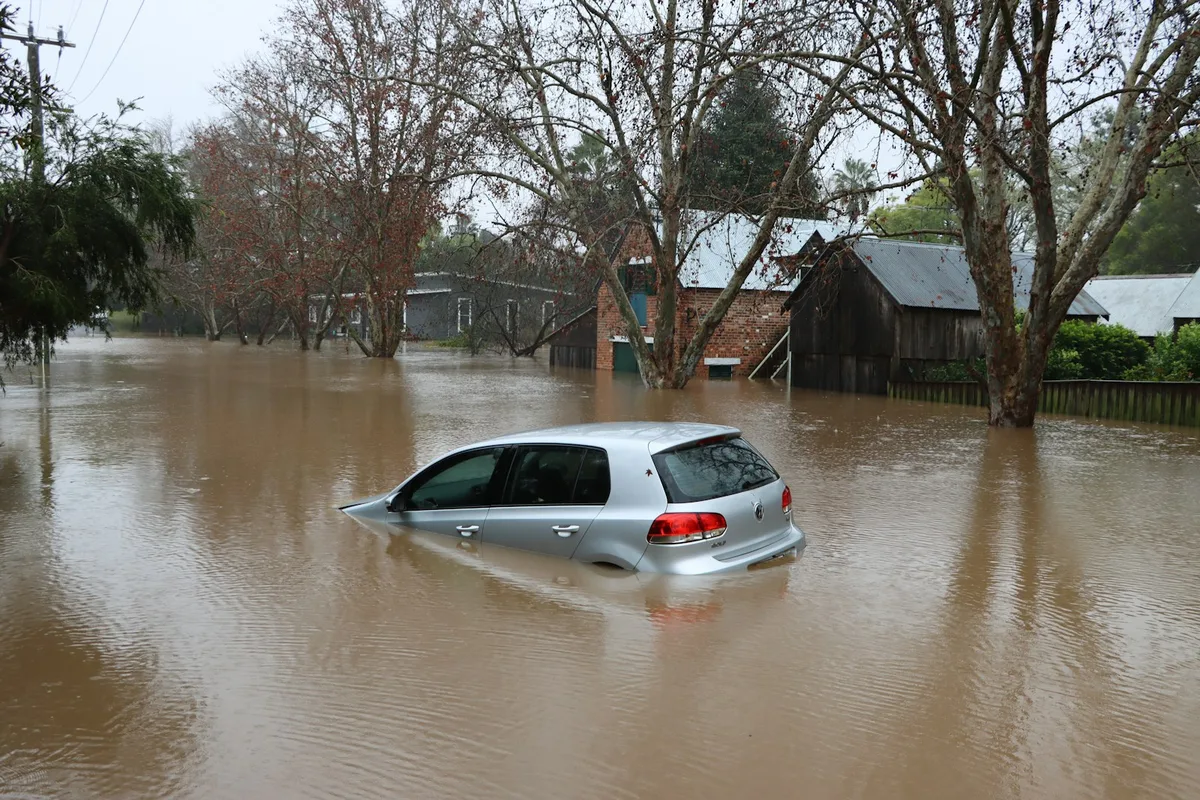
ARPC Cyclone Pool Claims and Insurer Participation in Australia
ARPC releases cyclone pool claims data and insurer participation figures for Australia's cyclone reinsurance scheme in Northern regions.

Flood Insurance in Australia: Why Storm Season Makes Cover Critical
Storm season exposes Australia's flood insurance gap. Learn why standard home cover may not protect you and what flood insurance actually covers.
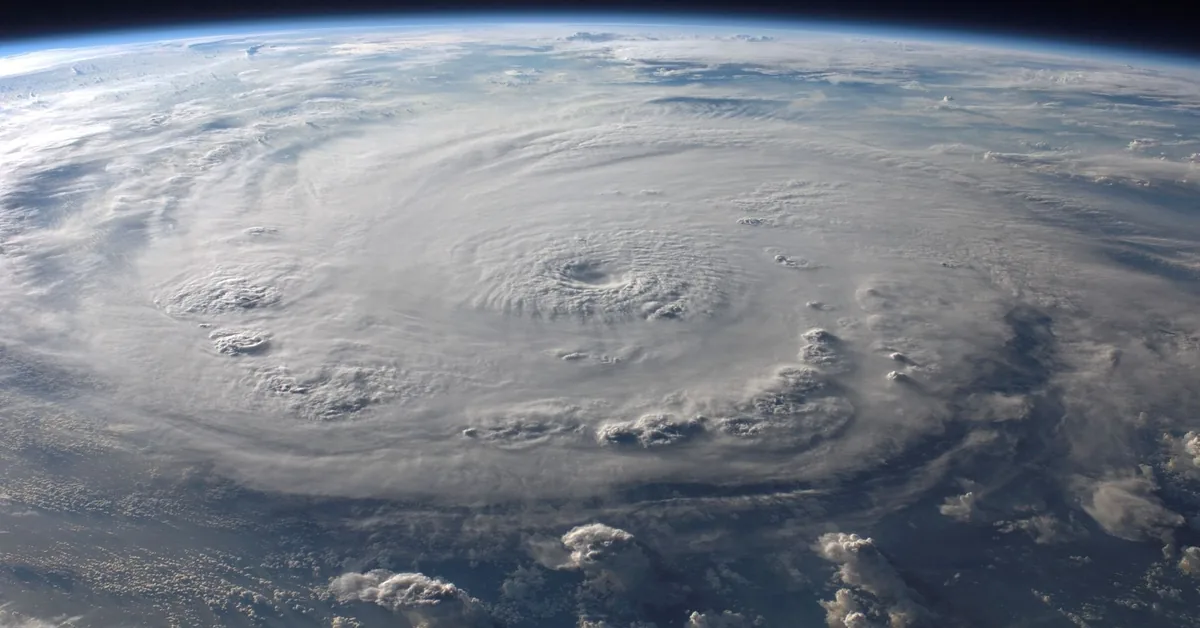
Weighing the Risks of Flood Insurance as Cyclone Season Nears in Australia
Australian homeowners in cyclone and flood-prone regions weigh flood insurance costs against rising natural disaster risks. What to consider.
