ARPC Cyclone Pool Claims and Insurer Participation in Australia
The Australian Reinsurance Pool Corporation releases data on cyclone pool claims and participating insurers, showing the scheme's impact on Northern Australia insurance availability.
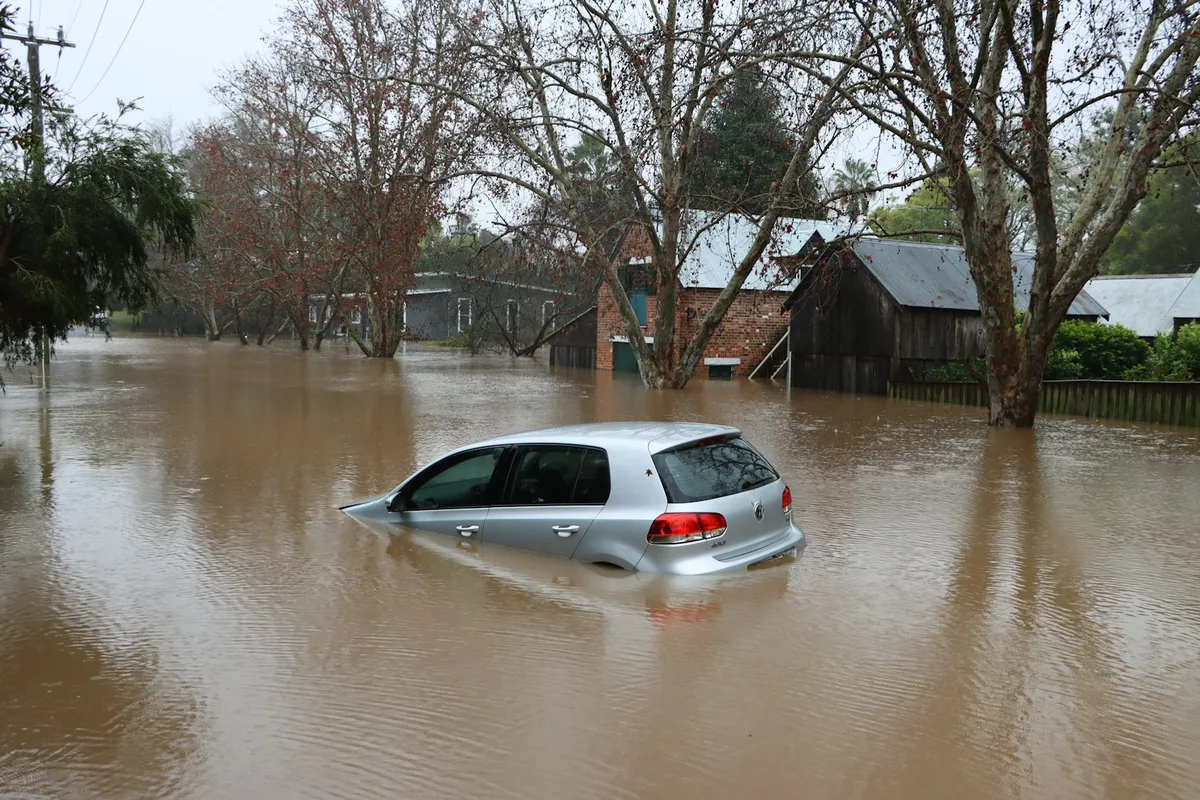
Unsplash - Wes Warren · original
In this article
The Australian Reinsurance Pool Corporation (ARPC) has released detailed information on cyclone pool claims processing and insurer participation, providing transparency on how the government-backed cyclone reinsurance scheme is operating across Northern Australia. The data shows the number of claims handled through the pool, which insurers are participating, and how the scheme is improving insurance availability and affordability in cyclone-prone regions. For homeowners and businesses in Northern Australia, this information demonstrates how the pool is working to stabilise the insurance market in high-risk areas.
What the Cyclone Pool Is
The cyclone reinsurance pool, formally known as the Cyclone and Related Flood Damage Reinsurance Pool, is a government-backed scheme launched in July 2022 to address insurance affordability and availability problems in Northern Australia. The pool provides reinsurance to insurers covering cyclone and related flood damage for residential, strata, and small business properties in declared cyclone areas across Northern Australia, including parts of Queensland, the Northern Territory, and Western Australia.
According to the Insurance Council of Australia, the scheme aims to reduce premiums for properties in cyclone-prone regions by providing a lower-cost reinsurance backstop, allowing insurers to offer more competitive pricing (Insurance Council of Australia, 2026). The ARPC administers the pool on behalf of the Australian Government.
Claims Data Highlights
The ARPC’s release details the volume and value of claims processed through the cyclone pool since its inception. The data covers claims from cyclone events and related flooding that have affected properties covered under the scheme. Key metrics include the number of claims lodged, the average claim size, claims processing times, and settlement rates.
This transparency helps consumers and industry observers understand how the pool responds to actual cyclone events. The claims data also provides insight into which regions have been most affected and how quickly insurers participating in the pool are settling claims compared to traditional reinsurance arrangements.
Insurer Participation
The ARPC data identifies which insurers have opted into the cyclone pool and the extent of their participation. Participation in the pool is voluntary for insurers, but those who join can access lower-cost reinsurance for eligible properties in declared cyclone areas. Major insurers covering home and contents insurance, strata insurance, and small business property insurance in Northern Australia are among the participants.
The level of insurer participation directly affects how many policyholders benefit from potentially lower premiums and improved cover availability. As reported by ASIC MoneySmart, consumers in cyclone-prone areas should confirm whether their insurer participates in the pool and whether their property falls within a declared cyclone area, as this may affect their premium and excess (MoneySmart, 2026).
Read also: Is Flood Insurance Worth Having in Australia?
What This Means for Consumers
For homeowners, strata owners, and small business operators in Northern Australia, the cyclone pool aims to improve access to affordable cyclone and related flood cover. If your property is in a declared cyclone area and your insurer participates in the pool, you may see lower premiums for cyclone-related risks compared to what you would have paid before the scheme began.
However, cover terms, exclusions, and excesses still vary by insurer and policy. Always read the Product Disclosure Statement (PDS) and Target Market Determination (TMD) for your specific policy to understand what is covered, what is excluded, and how the cyclone pool affects your cover. Not all properties in Northern Australia qualify for the pool, and insurers set their own underwriting criteria within the scheme.
If you are comparing policies or reviewing your current home or business insurance, check whether the insurer participates in the ARPC cyclone pool and confirm whether your property is eligible. For personalised advice on your insurance needs and whether the cyclone pool benefits apply to your situation, consult a licensed insurance adviser.
General Advice Warning: This article provides general information only and does not take into account your objectives, financial situation, or needs. Before acting on this information, consider whether it is appropriate for you and read the relevant Product Disclosure Statement (PDS). For advice tailored to your personal circumstances, consult a licensed insurance adviser. Cover terms, availability, and participation in the cyclone pool vary by insurer and property location. Always verify current details with your insurer or a licensed adviser before making decisions.
Sources
- Insurance Consumer Resources (accessed )
- Insurance Guide (accessed )
- Australian Government Services (accessed )
Related articles
Flood and Cyclone Insurance Coverage Gaps in Australia
Identify flood and cyclone coverage gaps in your Australian home insurance policy and avoid costly underinsurance when disaster strikes.
Is Flood Insurance Worth Having in Australia?
Is flood insurance worth having in Australia? Learn when flood cover matters, what to check in your PDS and how to weigh the cost.

Flood Insurance in Australia: Why Storm Season Makes Cover Critical
Storm season exposes Australia's flood insurance gap. Learn why standard home cover may not protect you and what flood insurance actually covers.
