Is Flood Insurance Worth Having in Australia?
Flood insurance can be worth having if your home, contents or rental property could be affected by riverine flooding, stormwater overflow or flood-prone local drainage. The key is to check whether flood is included, optional or excluded in your PDS before you rely on the cover.
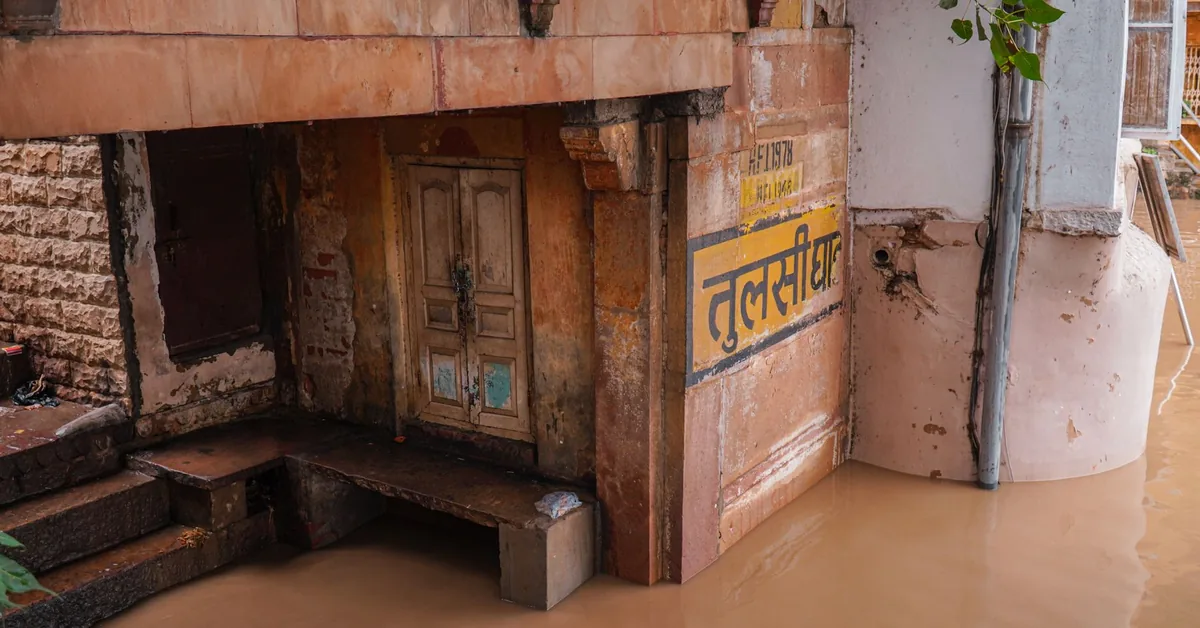
Pexels - Arto Suraj · original
In this article
Flood insurance is often worth considering in Australia if you live near a river, creek, floodplain, coastal catchment, low-lying street or area with poor stormwater drainage. It is less useful if your policy already excludes your most likely water damage risk, so the Product Disclosure Statement (PDS), Target Market Determination (TMD) and certificate of insurance matter more than the headline premium. The practical test is simple: could you afford to rebuild, repair or replace your belongings after a flood without insurance?
What flood insurance usually means
In Australian home insurance, “flood” usually refers to water escaping or overflowing from a natural watercourse, lake, dam or similar body of water. Storm, rainwater run-off, actions of the sea, storm surge and accidental water damage may be treated differently. That distinction matters because one policy may cover storm damage but limit or exclude flood damage.
ASIC MoneySmart explains that insurance policies differ in what they cover, what they exclude and how claims are assessed, so reading the PDS is essential before buying or renewing cover (MoneySmart, 2026). For flood, do not rely on the phrase “water damage” alone. Look for the actual flood definition, exclusions, waiting periods, excesses and any special limits.
When it is more likely to be worth it
Flood cover may be worth having if any of these apply:
- Your property is in a known flood zone or near a creek, river, canal, drainage channel or floodplain.
- Your local area has flooded before, even if your own property has not.
- You have a mortgage and could not afford major repairs while still making repayments.
- Your contents would be expensive to replace, including appliances, furniture, tools, electronics and personal items.
- You are a landlord and a flood event could damage the building, delay rent or trigger tenant disruption.
- You have checked the premium increase and it is affordable compared with the potential loss.
The Insurance Council of Australia provides consumer resources that explain how insurance responds to disasters and claims, including the importance of understanding policy terms before an event occurs (Insurance Council of Australia, 2026).
When it may be less compelling
Flood insurance may be less compelling if your property is at very low flood risk, the flood premium is high relative to the value at risk, or the policy exclusions mean the cover would not respond to the scenario you are worried about. For example, if the main risk is coastal erosion or actions of the sea, a standard flood benefit may not solve that problem.
That said, low risk does not mean no risk. Flood maps, local development, drainage changes and severe weather patterns can alter the exposure over time. If you are unsure, check local council flood information, ask the insurer how it has rated your address and consider independent advice.
Read also: Australian Home Insurance Premiums Climb 51% in Five Years
What to check before paying for cover
Read these sections of the PDS and policy schedule carefully:
- Whether flood cover is included automatically, optional or excluded
- The insurer’s definition of “flood”
- Whether storm, rainwater run-off and storm surge are treated separately
- Any flood-specific excess
- Waiting periods after buying or changing cover
- Sum insured for building insurance and contents insurance
- Temporary accommodation limits
- Clean-up, debris removal and professional fee limits
- Claim evidence requirements
- Whether the TMD says the product is designed for customers like you
If you need to complain about an insurer’s decision, start with the insurer’s internal dispute resolution process. If that does not resolve the issue, AFCA explains how consumers can make a financial services complaint (AFCA, 2026).
Bottom line
Flood insurance is worth having in Australia when the financial loss from a flood would be difficult or impossible to absorb yourself. It is not automatically good value for every address, but it is risky to reject it without checking your property’s exposure and the policy wording.
Before deciding, compare at least a few quotes, read the PDS and TMD, check the flood definition, review the excess and make sure your sum insured reflects realistic rebuilding or replacement costs in Australian dollars (A$).
General advice warning
This article is general information only. It does not take into account your objectives, financial situation or needs. Before acting on it, consider whether it is appropriate for you, read the relevant Product Disclosure Statement (PDS) and Target Market Determination (TMD), and consider obtaining personal advice from a licensed adviser. Cover, exclusions, premiums and availability vary by insurer and by state or territory. For legal, tax or dispute-specific questions, speak with a suitably qualified professional.
Sources
- Insurance (accessed )
- Consumer Resources (accessed )
- Make a Complaint (accessed )
Related articles
Flood Cover and Home Insurance in Australia: What You Need to Know
Learn how flood cover works in Australian home insurance, what to check in the PDS, and when to review your sum insured.
Why Some Homes Are Becoming Uninsurable for Flood in Australia
Why flood insurance is becoming unaffordable in Australia, what uninsurable means and how to check your home and contents cover.
Why Home Insurance Can Become Unaffordable for Flood Victims in Australia
Why flood victims in Australia can face unaffordable home insurance, what drives premiums, and what to check before cancelling cover.
