Why Some Homes Are Becoming Uninsurable for Flood in Australia
Flood insurance is becoming unaffordable or unavailable for some Australian homes, especially in high-risk river, coastal and low-lying areas. Here is what uninsurable really means, why it happens and what households can check before buying or renewing cover.
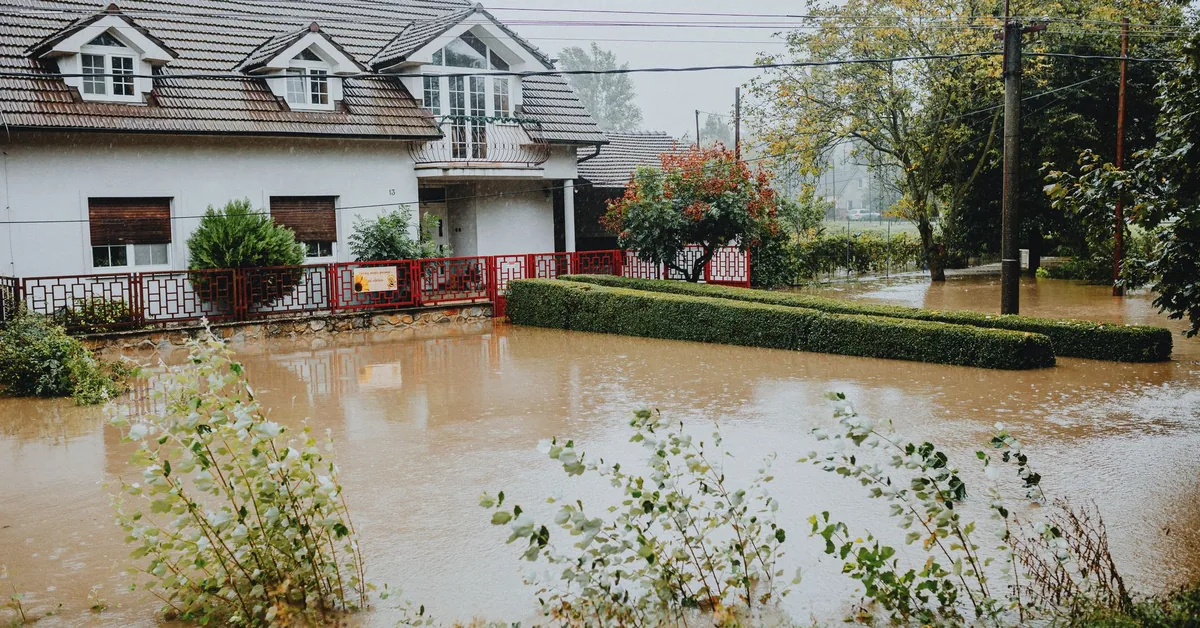
Pexels - Helena Jankovičová Kováčová · original
In this article
Some Australian homes are not literally impossible to insure, but flood cover can become so expensive, limited or conditional that it is not practical for many households. The problem is most acute where insurers price a property as having repeated or severe flood exposure. Before buying, renewing or dropping cover, check the PDS, the TMD, flood definitions, exclusions, excesses and whether your sum insured would actually rebuild your home.
What “uninsurable” means in Australia
In everyday language, “uninsurable” usually means one of three things.
First, an insurer may decline to offer flood cover for a particular address. That does not always mean every insurer will decline, but it is a warning that the property’s risk profile is difficult.
Second, flood cover may technically be available, but at a premium the owner cannot afford. In that situation the household may keep home insurance without flood, reduce cover, accept a very high excess or go uninsured.
Third, the policy may cover some water damage but not the event the household is worried about. Flood, stormwater run-off, storm surge, rainwater, escape of liquid and actions of the sea can be treated differently. The exact wording matters.
ASIC MoneySmart says insurance policies set out what is and is not covered, and that households should compare exclusions, premiums, excesses and claim limits before choosing cover (MoneySmart, 2026). For flood-prone properties, that advice is not a formality. It is the difference between having usable cover and discovering a gap after the water has arrived.
Why flood cover is becoming harder to afford
Flood insurance is priced around expected risk. If a property sits on a floodplain, near a river, in a low-lying coastal area or in a catchment with repeated severe events, insurers may price the risk sharply higher.
The crisis is not just about one storm or one postcode. It reflects a mix of factors:
- More expensive rebuild costs, including labour, materials and temporary accommodation.
- Repeated severe weather losses in some regions.
- Granular risk mapping, which can make one side of a street much more expensive than the other.
- Older homes built before current flood planning expectations.
- Limited mitigation, such as drainage, levees, house raising or land-use change.
- Household incomes not keeping pace with premium increases.
The Guardian Australia reported in May 2025 that some disaster-hit areas were facing flood premiums in the tens of thousands of dollars, while others could not obtain flood cover after earlier events (The Guardian Australia, 2025). That kind of pricing can turn a technical insurance offer into a practical refusal.
How flood cover usually works
Home insurance can cover the building, contents insurance can cover possessions, and combined home and contents insurance can cover both. Flood cover may be included automatically, included with conditions or offered as an optional extra, depending on the insurer and the policy.
In Australia, many policies use a standard flood definition linked to water escaping or being released from a lake, river, creek, reservoir, canal or dam. However, you should not rely on a general description. Read the PDS for the policy you are actually considering.
Check these items carefully:
- Whether flood is included, optional or excluded.
- Whether storm surge, actions of the sea or coastal inundation are excluded.
- Whether there is a separate flood excess.
- Whether temporary accommodation is covered.
- Whether retaining walls, fences, sheds, pools and landscaping are covered.
- Whether contents stored below ground level are limited or excluded.
- Whether the sum insured is enough for demolition, debris removal, professional fees and current rebuild costs.
The Insurance Council of Australia provides consumer information on insurance issues and disaster claims, including guidance for people affected by severe weather (Insurance Council of Australia, 2026). It is still essential to treat that as general education and check your own policy documents.
Why underinsurance is part of the crisis
A home can be insured and still leave the owner financially exposed. Underinsurance happens when the sum insured is too low to rebuild or replace what was lost.
For example, a household may have A$550,000 of building cover on a home that would now cost A$780,000 to demolish, clear, design and rebuild. If a flood causes a total loss, the shortfall is not a small inconvenience. It can determine whether the owner can rebuild at all.
Read also: Flood Cover and Home Insurance in Australia: What You Need to Know
Contents underinsurance can be just as severe. Furniture, appliances, tools, clothing, electronics, whitegoods and children’s items add up quickly. In flood claims, many items may be damaged at once, not gradually replaced over time.
Sum insured calculators can help, but they are only estimates. For higher-risk homes, unusual construction, sloping blocks, older buildings or recent renovations, consider obtaining a professional building estimate.
The property market effect
Flood insurance can affect more than household budgeting. It can influence whether a property is attractive to buyers, whether lenders are comfortable with the risk and whether owners can afford to stay.
A buyer looking at a cheaper home in a flood-prone area should ask a blunt question: is the purchase price low because future insurance and repair costs are high? A home that looks affordable at auction may become expensive once premiums, excesses, mitigation work and potential uninsured losses are included.
Before signing a contract, buyers should obtain insurance quotes for the exact address. Do this early. Do not assume nearby suburbs, similar homes or previous owners’ premiums will match your situation.
What households can do before renewing or buying
Start with the documents. Read the PDS and TMD for any policy you are considering. The PDS explains cover, limits, exclusions and claim conditions. The TMD explains the type of customer the product is designed for.
Then compare more than one insurer. Use the same assumptions for each quote, including building sum insured, contents sum insured, excess, optional flood cover and any listed valuables.
Ask direct questions if the wording is unclear:
- Is flood covered at this address?
- Is flood cover automatic or optional?
- What flood excess applies?
- Are storm surge or actions of the sea excluded?
- Are there limits for contents stored in garages, sheds or lower levels?
- What evidence will be needed at claim time?
- Will mitigation work change the premium?
Also check local flood information from your council or state emergency service where available. Flood maps are not perfect, but they can help you understand the property’s exposure before you rely on an insurance quote alone.
If a claim is disputed
Flood claims can become difficult when the insurer and customer disagree about the cause of damage. Was it flood, stormwater, rainwater, storm surge, poor maintenance or pre-existing damage? The answer can determine whether the policy responds.
Keep records. Take photos, keep repair invoices, save correspondence and ask the insurer to explain its decision in writing. If you are not satisfied, use the insurer’s internal dispute resolution process first.
If the dispute is not resolved, AFCA explains how consumers can make a complaint about a financial firm, including insurance complaints (AFCA, 2026). Time limits can apply, so do not leave a dispute sitting unanswered.
The bottom line
Australia’s flood insurance crisis is not just a premium problem. It is a housing, planning, climate-risk and affordability problem that lands heavily on individual households.
For owners and buyers, the practical response is to verify the risk before a disaster, not after it. Check whether flood is covered, understand the exclusions, set realistic sums insured, compare quotes and keep written evidence of what the insurer has told you.
General advice warning: this article is general information only and does not take into account your objectives, financial situation or needs. Before acting on it, consider whether it is appropriate for you, read the relevant Product Disclosure Statement (PDS) and Target Market Determination (TMD), and consider obtaining personal advice from a licensed adviser. Cover, exclusions, premiums and availability vary by insurer and by state or territory. For legal, tax or property decisions, consider speaking with a solicitor, registered tax agent or licensed insurance adviser.
Sources
- Insurance (accessed )
- Consumers (accessed )
- Make a complaint (accessed )
- It's just maths: uninsurable, disaster-hit pockets of Australia pose existential questions requiring radical answers (accessed )
Related articles
Flood Cover and Home Insurance in Australia: What You Need to Know
Learn how flood cover works in Australian home insurance, what to check in the PDS, and when to review your sum insured.
Why Home Insurance Can Become Unaffordable for Flood Victims in Australia
Why flood victims in Australia can face unaffordable home insurance, what drives premiums, and what to check before cancelling cover.
Is Flood Insurance Worth Having in Australia?
Is flood insurance worth having in Australia? Learn when flood cover matters, what to check in your PDS and how to weigh the cost.
