Flood Cover and Home Insurance in Australia: What You Need to Know
Flood cover is not always included automatically in home insurance. Check the PDS, flood definition, exclusions, waiting periods and sum insured before you rely on a policy.
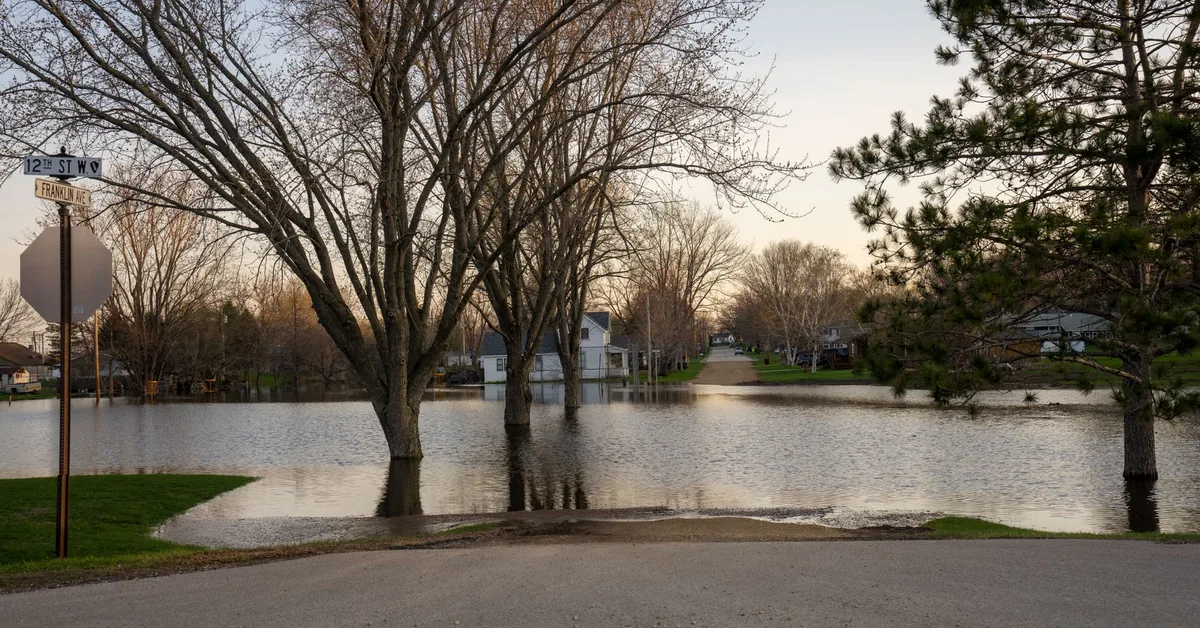
Pexels - Tom Fisk · original
In this article
Flood cover in Australia is often part of home insurance, but it is not safe to assume every policy treats flood the same way. The key documents are the Product Disclosure Statement (PDS) and Target Market Determination (TMD), which explain what is covered, who the policy is designed for, and what exclusions apply. If your home is near a river, creek, stormwater path, low-lying area or coastal floodplain, check the flood wording before price becomes the deciding factor.
What flood cover usually means
In Australian home insurance, flood cover generally relates to water escaping or overflowing from a natural watercourse, lake, dam or similar body of water. That is different from some storm claims, such as rainwater entering through storm damage to a roof, or water runoff after heavy rain. The exact distinction matters because insurers can assess “flood”, “storm”, “rainwater runoff” and “actions of the sea” differently.
According to ASIC MoneySmart, insurance policies set out what is and is not covered, and consumers should read policy documents before buying or renewing cover (MoneySmart, 2026). For flood risk, that means reading the definitions section, exclusions section, excess schedule and any optional cover notes, not just the quote screen.
Is flood cover included automatically?
Sometimes, yes. Sometimes, no. Some home and contents policies include flood cover as standard. Others may offer it as an optional extra, restrict it in high-risk areas, apply a higher flood excess, or decline to offer flood cover for a particular address.
The Insurance Council of Australia provides consumer resources on understanding insurance and claims, including the importance of knowing what your policy covers before an event occurs (Insurance Council of Australia, 2026). In practice, that means checking three things before you rely on your cover:
- Whether flood is included for your address.
- Whether a separate flood excess applies.
- Whether the cover applies to building, contents, or both.
Building, contents and combined cover
Home insurance is usually split into building insurance and contents insurance. Building insurance covers the structure, such as walls, roof, fixed flooring, built-in cabinetry and other permanent fixtures. Contents insurance covers belongings, such as furniture, appliances, clothing and portable items, subject to policy limits.
A combined home and contents policy may cover both, but do not assume the same flood terms apply equally across each part. Some policies may cover the building but not certain external items, landscaping, retaining walls, fences, pools, business stock or high-value contents unless listed.
For renters, flood cover usually sits in contents insurance, because the landlord is responsible for insuring the building. For landlords, flood cover may sit in landlord building insurance, landlord contents cover, or both, depending on the property and policy design.
Check your sum insured before storm season
A policy can include flood cover and still leave you underinsured. The sum insured is the maximum amount the insurer will pay to rebuild, repair or replace insured property, subject to policy terms. In flood-prone areas, rebuilding costs can include demolition, debris removal, professional fees, council requirements, temporary accommodation and changes to building standards.
Review the sum insured at renewal, after renovations, after buying expensive contents, and after local building costs rise. If you choose a lower sum insured to reduce the premium, you may be accepting a larger gap after a major loss.
Read also: Is Flood Insurance Worth Having in Australia?
Common mistakes to avoid
The biggest mistake is assuming “storm cover” and “flood cover” are interchangeable. They are related risks, but the policy wording can treat them differently.
Another mistake is comparing premiums without comparing excesses and exclusions. A cheaper policy may have a higher flood excess, lower temporary accommodation limit, tighter contents limits or narrower external item cover.
A third mistake is waiting until heavy rain is forecast. Some insurers apply embargoes or waiting periods when severe weather is imminent, which may limit your ability to buy or upgrade cover at the last minute. Availability and terms vary by insurer and by state or territory.
What if your flood claim is declined?
Start by asking the insurer for the written reasons and the policy clause relied on. Keep photos, repair quotes, weather reports, hydrology reports if available, correspondence and a timeline of events. If you disagree with the decision, use the insurer’s internal dispute resolution process first.
If the issue is not resolved, AFCA explains how consumers can make a complaint about financial firms, including insurers, through its external dispute resolution process (AFCA, 2026).
Frequently asked questions
Is flood cover compulsory in Australia?
No. Flood cover is not compulsory for homeowners, but a lender may require adequate building insurance as a condition of a mortgage. The lender requirement does not mean every flood scenario is covered, so read the PDS.
Does home insurance cover flood damage to contents?
Only if your contents policy includes flood cover and the damaged items are insured under the policy. Check sub-limits for valuables, portable items, appliances, carpets and items stored outside or in garages.
Can I remove flood cover to reduce my premium?
Some insurers may allow flood cover to be removed or adjusted, while others include it as part of the product. Removing cover can reduce cost but may leave you exposed to a large repair or replacement bill.
Bottom line
Flood cover is one of the most important parts of home insurance to read closely in Australia. Before buying or renewing, compare the PDS, TMD, flood definition, excess, exclusions, temporary accommodation limit and sum insured, not just the premium.
General advice warning: This article is general information only and does not take into account your objectives, financial situation or needs. Before acting on it, consider whether it is appropriate for you, read the relevant Product Disclosure Statement (PDS) and Target Market Determination (TMD), and consider obtaining personal advice from a licensed adviser. Cover, exclusions and availability vary by insurer and by state or territory. For legal, tax or personal financial questions, speak with a solicitor, registered tax agent or licensed financial adviser.
Sources
- Insurance (accessed )
- Consumer Resources (accessed )
- Make a Complaint (accessed )
Related articles
Is Flood Insurance Worth Having in Australia?
Is flood insurance worth having in Australia? Learn when flood cover matters, what to check in your PDS and how to weigh the cost.
Why Some Homes Are Becoming Uninsurable for Flood in Australia
Why flood insurance is becoming unaffordable in Australia, what uninsurable means and how to check your home and contents cover.
Why Home Insurance Can Become Unaffordable for Flood Victims in Australia
Why flood victims in Australia can face unaffordable home insurance, what drives premiums, and what to check before cancelling cover.
