Why Home Insurance Can Become Unaffordable for Flood Victims in Australia
Flood risk can make home insurance hard to afford, especially when premiums rise after repeated disasters. Here is why it happens and what Australian households can check before renewing or cancelling cover.
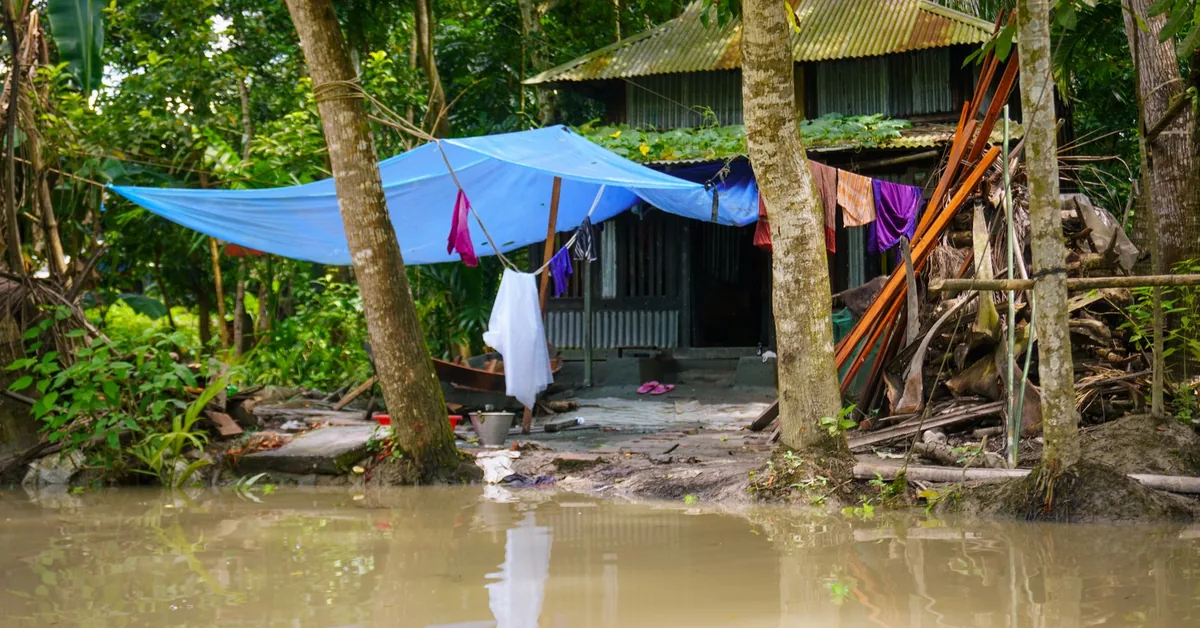
Pexels - Sazzad Shihab · original
In this article
For many flood-affected Australians, the second disaster can arrive at renewal time: the home is repaired, but the insurance premium becomes unaffordable. This happens because insurers price flood cover against the likelihood and cost of future claims, not only the damage that has already happened. Before cancelling cover, check whether the policy includes flood, what exclusions apply, what excess you would pay, and whether a different sum insured or insurer gives you a workable option.
What “unaffordable” means in flood insurance
Home insurance becomes unaffordable when the premium is so high that a household cannot realistically keep the cover, even though going without it would leave them exposed to a major loss. In flood-prone parts of Australia, that can mean annual premiums that jump sharply after local flooding, repeat claims, revised risk mapping, rebuilding cost increases, or changes to an insurer’s appetite for that postcode.
This is not only a household budgeting issue. It can affect mortgage security, property values, rental supply, and whether residents feel able to stay in a community after a disaster. For owner-occupiers, the dilemma is often brutal: keep a policy that strains the household budget, reduce cover, or cancel and carry the full risk of another flood.
ASIC MoneySmart explains that insurance is designed to help protect against financial loss, but the policy terms, limits and exclusions matter (MoneySmart, 2026). For flood victims, the most important point is that “home insurance” is not a single uniform product. One policy may include flood as standard, another may offer it as an optional extra, and another may exclude or limit it.
Why flood premiums can rise after a disaster
Insurers price home insurance using risk data. Flood risk is heavily location-based, so two similar homes in the same town can face different premiums if one sits lower, closer to a river, or in an area with a worse flood history.
A premium can rise because of several overlapping factors:
- The property has a known flood exposure.
- The suburb or catchment has recent flood claims.
- The insurer expects rebuilding costs to be higher.
- The home needs a higher sum insured to reflect current construction prices.
- The policy includes flood cover with a high expected claims cost.
- The insurer applies a larger excess or restricts the terms available.
The Insurance Council of Australia provides consumer information on insurance and disaster recovery, including guidance for policyholders after severe weather events (Insurance Council of Australia, 2026). Its broader consumer guidance is useful because many disputes start with a simple misunderstanding: what the policyholder thought was covered is not always what the PDS says is covered.
Flood cover is not the same as storm or water damage
One reason flood victims can be caught out is that water damage words sound similar. In Australia, a policy might treat flood, stormwater run-off, rainwater, burst pipes, escape of liquid, and actions of the sea differently.
The standard definition of flood used in many Australian insurance policies usually relates to water escaping or being released from a lake, river, creek, reservoir, canal or dam. But you should not rely on a general definition. Read the PDS for the exact wording, because the wording decides whether a claim is accepted.
A practical example: if heavy rain enters through a damaged roof, that may be assessed differently from riverine floodwater entering through doors and walls. If water rises from a creek and inundates a house, flood cover is likely to be central to the claim. The difference can determine whether the insurer pays, declines the claim, or pays only part of it.
The role of sum insured and rebuilding costs
Flood affordability is not only about the flood component of a premium. The sum insured can also push costs up.
Your sum insured is the amount your home is insured for, usually based on the cost to rebuild, not the market price of the property. After disasters, labour, materials, demolition, debris removal, compliance costs, and temporary accommodation can all become more expensive. If your sum insured rises to reflect those costs, your premium may rise too.
Reducing the sum insured can lower the premium, but it can also create underinsurance. That means the payout may not be enough to rebuild after a total loss. If you are considering a lower sum insured, use a rebuilding calculator, check the policy’s safety net or underinsurance provisions if any, and consider speaking to a licensed insurance adviser.
Read also: Is Flood Insurance Worth Having in Australia?
What to check before cancelling flood cover
Cancelling home insurance or removing flood cover can be tempting when the premium feels impossible. Before doing that, work through the consequences.
First, check your mortgage terms. Lenders commonly require borrowers to keep building insurance over the secured property. If you cancel cover, you may breach loan conditions.
Second, compare policies carefully. A cheaper policy may exclude flood, apply a much higher excess, cap temporary accommodation, or reduce cover for removal of debris. Always compare the PDS and Target Market Determination, not just the premium.
Third, ask whether risk mitigation changes can help. Raising services, improving drainage, installing flood-resilient materials, or using local mitigation works may affect risk over time, although insurers are not obliged to discount every household improvement.
Fourth, check government and community recovery information after major events. Australia.gov.au is a stable entry point for Australian Government services and information (Australian Government, 2026). State and territory disaster recovery agencies may also provide grants or local support after declared events.
If you disagree with the insurer
If you think an insurer has handled your claim, premium issue, or policy communication unfairly, start with the insurer’s internal dispute resolution process. Keep written records, copies of the PDS, renewal notices, claim decisions, assessor reports, photos, repair quotes, and any flood mapping information you were given.
If the issue is not resolved, the Australian Financial Complaints Authority can consider eligible complaints about financial firms, including insurers (AFCA, 2026). AFCA is not a way to force an insurer to offer cheap cover in every high-risk location, but it can review certain disputes about claims handling, disclosure, decisions, delays, and fairness within its jurisdiction.
What households can realistically do
There is no simple household-level fix for flood insurance affordability. The biggest levers are often broader ones: mitigation infrastructure, planning decisions, updated flood mapping, resilient rebuilding, and government policy. Still, households can reduce avoidable mistakes.
Review your renewal early, not the day before it expires. Get several quotes with flood included and excluded, if available, so you can see what part of the price relates to flood. Check whether a higher excess meaningfully reduces the premium, but only choose an excess you could actually pay after a disaster. Keep your sum insured realistic. Photograph improvements and mitigation work. Ask the insurer how flood risk has been assessed, even if they will not disclose every pricing input.
Most importantly, do not assume that “some insurance” is enough. A low-cost policy that excludes the main risk to your property may provide less protection than it appears to.
Conclusion
Flood victims can face a double disaster in Australia because the same risk that damages homes can also make insurance harder to afford later. The right response is not simply to accept the renewal or cancel in frustration. Read the PDS and TMD, compare flood terms line by line, check your lender obligations, and challenge unclear claim or policy decisions through the proper complaints process.
General advice warning: this article is general information only and does not take into account your objectives, financial situation or needs. Before acting on it, consider whether it is appropriate for you, read the relevant Product Disclosure Statement (PDS) and Target Market Determination (TMD), and consider obtaining personal advice from a licensed adviser. Cover, exclusions, premiums and availability vary by insurer and by state or territory. For legal, tax or personal financial questions, consult an appropriately qualified professional.
Sources
- Insurance (accessed )
- Consumers (accessed )
- Make a complaint (accessed )
- Australian Government (accessed )
Related articles
Why Some Homes Are Becoming Uninsurable for Flood in Australia
Why flood insurance is becoming unaffordable in Australia, what uninsurable means and how to check your home and contents cover.
Flood Cover and Home Insurance in Australia: What You Need to Know
Learn how flood cover works in Australian home insurance, what to check in the PDS, and when to review your sum insured.
Is Flood Insurance Worth Having in Australia?
Is flood insurance worth having in Australia? Learn when flood cover matters, what to check in your PDS and how to weigh the cost.
