Australian Home Insurance Premiums Climb 51% in Five Years
Home insurance has become much more expensive across Australia. Here is what the 51% rise means for households and what to check before renewing.
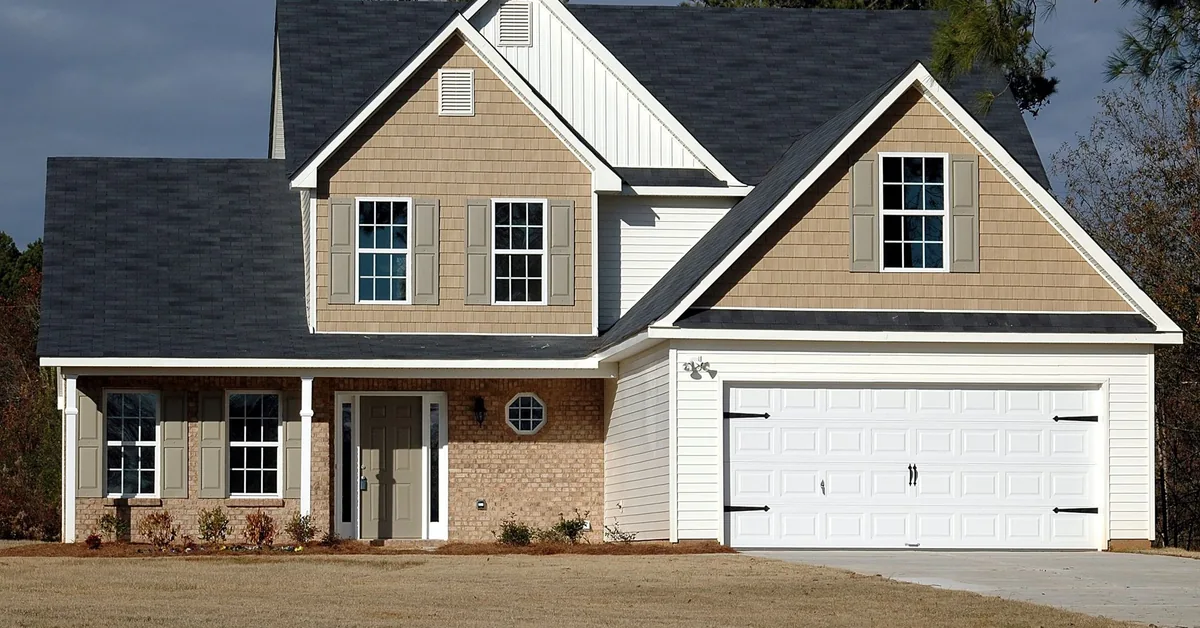
Pexels - Pixabay · original
In this article
Australian home insurance premiums have reportedly climbed 51% over five years, which means a household that once paid A$1,500 a year could now be looking at about A$2,265 for similar cover. The rise does not mean every home has increased by exactly that amount: location, flood and bushfire exposure, rebuild cost, excess, claims history and insurer pricing all matter. The practical response is to check your sum insured, read the PDS and TMD, compare renewal prices, and avoid cutting cover you may genuinely need.
Why premiums are rising
Home insurance prices are being pushed up by several linked pressures. Rebuilding a damaged home is more expensive when labour, materials, temporary accommodation and professional fees cost more. Insurers also price for the likelihood and severity of claims, so homes exposed to flood, cyclone, bushfire, storm surge or severe storms can face sharper increases.
According to the Insurance Council of Australia, its consumer resources explain that home insurance is designed to help cover loss or damage to the building and, where chosen, contents, but policy terms and exclusions vary by insurer (Insurance Council of Australia, 2026). That variation matters more when premiums are rising, because a cheaper quote may remove flood cover, raise the excess, reduce contents limits or narrow accidental damage cover.
The recent pressure is visible in market reporting too. The Guardian reported on CHOICE analysis that average home insurance premiums in the sample rose 16% over 12 months, with some brands increasing by more than 30% for tested scenarios (The Guardian, 2025). That is not the same as the five year 51% figure, but it shows the current affordability pressure many households are seeing at renewal.
What to check on your renewal
Start with the sum insured. If your building sum insured is too low, you could be underinsured after a major fire, flood or storm. If it is too high, you may be paying for cover you are unlikely to use. Use an insurer rebuild calculator as a starting point, then consider local building costs, slope, access, demolition, debris removal and professional fees.
Next, check flood cover. In Australia, “storm” and “flood” are not always treated the same way in a PDS. If you live near a creek, river, overland flow path or low lying area, removing flood cover may reduce the premium but can leave a major gap.
Then review the excess. A higher excess can lower the premium, but only choose an amount you could realistically pay after a claim. For example, moving from a A$500 excess to A$1,500 may help with the annual price, but it also means you self fund more of any approved claim.
Read also: Why Homeowners in Australia Should Not Cut Storm Insurance Cover as Cyclone Season Nears
ASIC MoneySmart says insurance helps protect against financial loss, and consumers should understand what is covered, what is excluded and how to make a claim before buying (ASIC MoneySmart, 2026). For home insurance, that means reading the PDS, the TMD and the renewal schedule together, not just comparing the headline premium.
When to complain or get help
If a claim is denied, delayed or settled for less than expected, first use the insurer’s internal complaints process. If the issue is not resolved, AFCA explains how consumers can make a complaint about financial firms, including insurers (AFCA, 2026).
For personal decisions, especially if you are considering dropping building cover, removing flood cover or reducing contents limits, speak with a licensed insurance adviser. Renters, landlords, strata owners and owner occupiers can all need different cover.
The bottom line
A 51% five year rise in Australian home insurance premiums is a warning to review cover carefully, not a reason to cancel automatically. Compare quotes, but compare like with like: sum insured, flood cover, excess, temporary accommodation, contents limits, exclusions and claims service all affect value.
General advice warning: This article is general information only and does not take into account your objectives, financial situation or needs. Before acting on it, consider whether it is appropriate for you, read the relevant Product Disclosure Statement (PDS) and Target Market Determination (TMD), and consider obtaining personal advice from a licensed adviser. Coverage, exclusions and availability vary by insurer and by state or territory.
Sources
- Insurance (accessed )
- Consumers (accessed )
- Choice reveals Australian insurers with biggest price hikes in the past year (accessed )
- Make a complaint (accessed )
Related articles
How Many Australians Worry About Home Insurance Costs in Australia?
Around 1.6 million Australian households face home insurance affordability stress. Learn what the figure means and how to respond.
Why a Home Insurance Quote Can Hit A$60,000 in Australia
Why some Australian home insurance quotes reach A$60,000, what council action can change, and what to check before dropping cover.

Why Some Brisbane Home Insurance Quotes Are Surging in Australia
Why Brisbane home insurance quotes can surge, what drives premiums, and what Australian homeowners should check before accepting.
