Why Homeowners in Australia Should Not Cut Storm Insurance Cover as Cyclone Season Nears
Reducing home insurance before storm, cyclone or flood season can leave Australian homeowners exposed to large repair bills. Review your cover instead of cutting it blindly.
Pexels - K · original
In this article
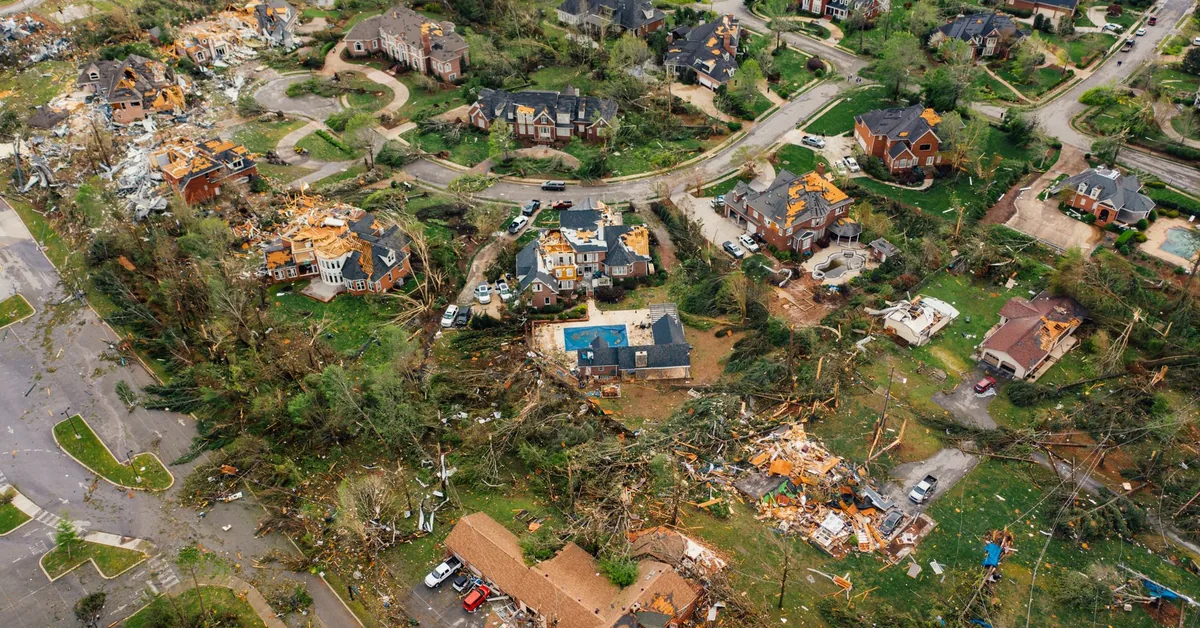
The short answer: homeowners in Australia should be very cautious about cutting home insurance cover before storm, cyclone or flood season. A lower premium can look helpful in a cost-of-living squeeze, but reducing the sum insured, removing flood cover, or lifting the excess too far may leave you paying much more after a major weather event.
In Australia, the relevant risk is not “hurricane season” in the US sense. It is the local pattern of cyclones, severe storms, floods, bushfires and extreme rainfall, which can vary sharply by state, territory and postcode.
Why Cutting Cover Can Backfire
Home insurance is often reviewed when premiums rise, but the cheapest policy is not always the safest choice. If you reduce your building sum insured below the real rebuilding cost, you may not have enough to repair or rebuild after a total loss. That gap can be especially painful when labour, materials, demolition, debris removal and temporary accommodation costs have risen.
ASIC MoneySmart says insurance helps protect against the financial impact of unexpected events, and it encourages consumers to understand what is covered, what is excluded, and how much cover they need (MoneySmart, 2026). For home owners, that means checking the policy details before accepting a cheaper renewal.
The main risk is not just having no cover. It is having cover that no longer matches the property.
What To Review Before Storm Season
Start with the sum insured. This is the maximum amount the insurer will pay for the insured building, subject to policy terms, limits and exclusions. It should reflect the cost to rebuild, not what the home might sell for. Market value and rebuilding cost are different things.
Next, check whether flood is included, excluded, optional or subject to specific conditions. In Australia, stormwater runoff and flood can be treated differently in a Product Disclosure Statement (PDS). Do not assume water damage is covered just because the policy mentions storm cover.
The Insurance Council of Australia provides consumer information about insurance and disaster recovery, including the importance of understanding policy coverage and claims processes (Insurance Council of Australia, 2026). Before cyclone or storm season, that usually means checking building cover, contents cover, temporary accommodation, debris removal, emergency repairs and policy sub-limits.
Also read the Target Market Determination (TMD). The PDS tells you how the product works. The TMD explains who the product is designed for. Together, they help you decide whether the cover is broadly suitable for your needs.
Read also: Cyclone Season 2027: Your Essential Insurance Coverage Review Guide
When A Higher Excess May Make Sense
Increasing your excess can reduce the premium, but it should be affordable at claim time. If your excess is A$2,000 and you would struggle to pay it after storm damage, the saving may not be worth it.
A higher excess may suit households with emergency savings and a strong preference for lower ongoing premiums. It is riskier for households with tight cash flow, older homes, high exposure to flood or cyclone risk, or limited ability to fund urgent repairs.
Check whether separate excesses apply. Some policies may have different excesses for named events, flood, cyclone, earthquake or other insured events. Terms vary by insurer, state and territory, so confirm the details in the PDS.
Better Ways To Control Premiums
Rather than cutting core cover, consider getting fresh quotes, updating property details, checking whether security features are listed correctly, and reviewing optional extras you do not need. You can also ask the insurer whether any discounts apply, but avoid changing information just to lower the premium.
If you are comparing policies, compare the cover, not just the price. A cheaper policy may have lower limits, broader exclusions, higher excesses or less generous temporary accommodation benefits.
If you make a claim and cannot resolve a dispute with your insurer, AFCA explains that consumers can make a complaint after first raising the issue with the financial firm (AFCA, 2026).
One Practical Next Step
Before the next storm season, pull out your renewal notice, PDS and TMD. Check the sum insured, flood wording, storm definitions, excesses, exclusions and claim limits. If anything is unclear, ask the insurer in writing or speak with a licensed insurance adviser.
General advice warning: this article is general information only and does not take into account your objectives, financial situation or needs. Before acting on it, consider whether it is appropriate for you, read the relevant Product Disclosure Statement (PDS) and Target Market Determination (TMD), and consider obtaining personal advice from a licensed adviser. Cover, exclusions and availability vary by insurer and by state or territory. For legal or tax questions, speak with a solicitor or registered tax agent.
Sources
- Insurance (accessed )
- Consumers (accessed )
- Make a complaint (accessed )
Related articles
Why a Home Insurance Quote Can Hit A$60,000 in Australia
Why some Australian home insurance quotes reach A$60,000, what council action can change, and what to check before dropping cover.

Why Some Brisbane Home Insurance Quotes Are Surging in Australia
Why Brisbane home insurance quotes can surge, what drives premiums, and what Australian homeowners should check before accepting.

Why Home Insurance Premiums Are Rising in Australia
Why Australian home insurance premiums are rising, what drives renewal prices, and how homeowners can respond without risking underinsurance.
