Landlord Insurance in Australia: What Investment Property Owners Need to Know
Learn how landlord insurance protects Australian investment property owners from risks standard home insurance does not cover.

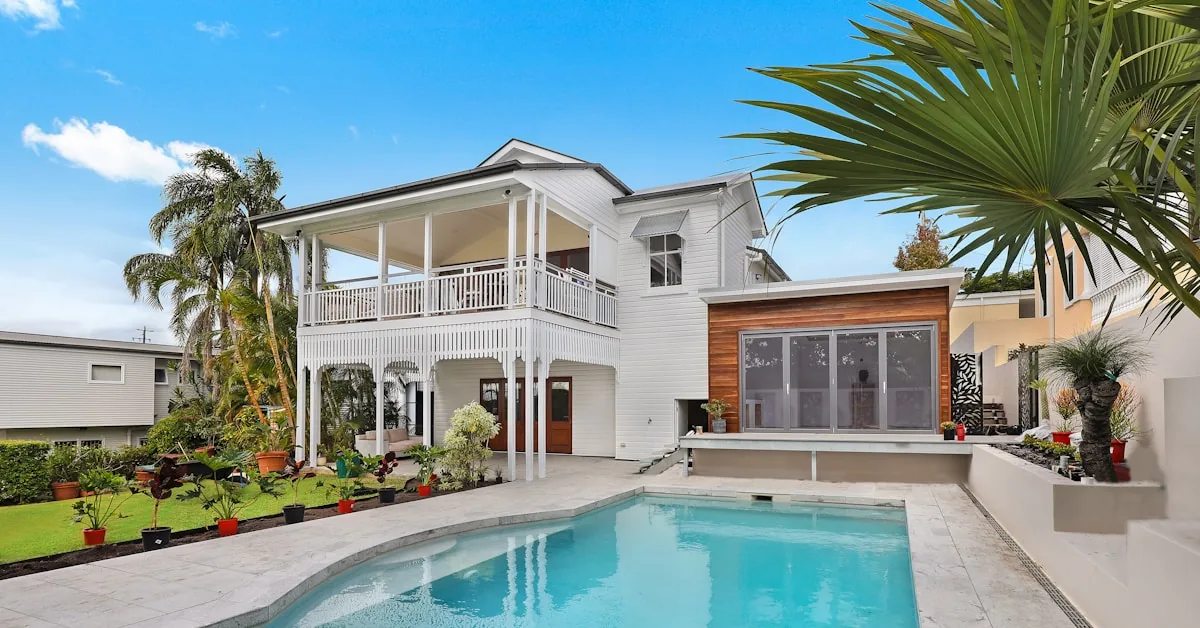
Pexels - Jakub Zerdzicki · original
In this article
Key Takeaway
Landlord insurance in Australia is a specialised cover designed for investment property owners who rent out residential property. It protects against risks standard home and contents insurance policies exclude, including malicious tenant damage, loss of rental income, and landlord liability. If you own an investment property that you rent to tenants, standard home insurance will not cover the unique risks you face as a landlord.
What Landlord Insurance Is
Landlord insurance (also called rental property insurance or investment property insurance) is an insurance product specifically designed to protect property owners who rent their property to tenants. It covers the building structure, landlord-owned contents such as appliances or furniture provided with the rental, and liability arising from the rental arrangement.
Standard home and contents insurance policies typically exclude cover when a property is rented out. According to ASIC MoneySmart, landlord insurance fills this gap by addressing the additional risks landlords face, such as tenant-caused damage and loss of rental income during periods when the property becomes uninhabitable.
Why Landlord Insurance Matters for Investment Property Owners
Renting out property introduces risks that owner-occupiers do not face. Tenants may damage the property maliciously or accidentally, rental income can be lost if tenants default or the property becomes uninhabitable after an insured event, and landlords can be held liable for injuries that occur on the rental property.
As covered in Principles of Finance, investment decisions require careful risk management, and landlord insurance is a core risk mitigation tool for Australian property investors. Without it, landlords bear the full financial burden of tenant damage, legal disputes, and income loss.
A standard home insurance policy will not pay out if the property is tenanted and the damage arises from tenant actions. Landlord insurance is the appropriate cover for these scenarios.
What Landlord Insurance Covers
Landlord insurance policies in Australia typically include three core components:
Building cover. This protects the physical structure of the investment property (walls, roof, fixtures) against risks such as fire, storm, flood (if flood cover is included), and malicious damage by tenants. The sum insured should reflect the full rebuilding cost, not the property’s market value.
Landlord contents cover. If you provide furniture, appliances, or other contents as part of the rental, landlord insurance can cover these items against damage or theft. This does not cover the tenant’s personal belongings; tenants need their own contents insurance (renters insurance) for that.
Loss of rental income. If the property becomes uninhabitable due to an insured event such as a fire or storm damage, landlord insurance can compensate you for the rental income you lose during the repair period. Policies typically cover a set number of weeks of lost rent, such as 26 or 52 weeks, depending on the Product Disclosure Statement (PDS).
Landlord liability. This covers your legal liability if someone is injured on the rental property and you are found legally responsible. For example, if a tenant or visitor is injured due to a structural defect or poorly maintained stairway, liability cover can pay compensation and legal costs.
Additional optional covers may include tenant default (where the tenant fails to pay rent), legal expenses (for disputes with tenants or eviction proceedings), and emergency repairs (such as calling a plumber after hours if a pipe bursts).
How Landlord Insurance Works in Australia
Landlord insurance is sold by general insurers in Australia and is regulated by the Australian Prudential Regulation Authority (APRA) and the Australian Securities and Investments Commission (ASIC). Before purchasing a policy, you must read the Product Disclosure Statement (PDS) and the Target Market Determination (TMD) to understand what is covered, what is excluded, and whether the product is appropriate for your circumstances.
Read also: What Is Landlord Insurance and What Does It Cover in Australia
Premiums are calculated based on factors including the property’s location, age, construction type, sum insured, and the level of cover you select. Properties in areas prone to flooding, cyclones, or bushfire may attract higher premiums. You can typically choose your excess (the amount you pay towards a claim), with a higher excess reducing your premium.
Claims are made when an insured event occurs. For example, if a tenant maliciously damages walls and floors before vacating, you would lodge a claim under the malicious damage section of your landlord insurance. The insurer assesses the claim, and if approved, reimburses you for the repair costs minus your excess.
Rental income protection typically requires you to demonstrate the property was tenanted or actively being marketed for rent at the time the insured event occurred. The insurer pays the agreed weekly rental amount for the period stated in the PDS while the property is being repaired.
What Landlord Insurance Does Not Cover
Exclusions vary by insurer and policy, but common exclusions include:
- Normal wear and tear (gradual deterioration over time)
- Pre-existing damage or faults known before the policy began
- Intentional damage by the landlord
- Damage caused by poor property maintenance
- Tenant belongings (tenants must arrange their own contents insurance)
- Certain natural disasters unless specifically included (such as flood or earthquake cover)
Some policies exclude loss of rental income if the tenant simply stops paying rent but remains in the property (tenant default cover is typically an optional add-on). Read the PDS carefully to understand all exclusions and consider whether optional covers are appropriate for your property and tenant profile.
Choosing Landlord Insurance in Australia
When comparing landlord insurance policies, consider the following:
- The sum insured for the building (should cover full rebuilding cost, not market value)
- Whether flood cover is included or available as an option
- The number of weeks of rental income protection offered
- The limit for malicious damage claims
- Whether legal expenses and tenant default are included or available
- The excess amount and how it affects your premium
- The insurer’s claims process and reputation
Obtain quotes from multiple insurers and read each PDS. The Insurance Council of Australia provides consumer resources to help you understand insurance products. If you are unsure which level of cover suits your investment property, speak with a licensed insurance adviser who can assess your individual circumstances.
Conclusion
Landlord insurance is essential for Australian property investors who rent out residential property. It protects the building, landlord-owned contents, rental income, and your legal liability in ways standard home insurance does not. Cover and exclusions vary by insurer, so always read the Product Disclosure Statement and Target Market Determination, and verify current terms with a licensed adviser before deciding on a policy. Protecting your investment property with appropriate landlord insurance reduces financial risk and gives you peace of mind as a rental property owner.
General Advice Warning: This article provides general information only and does not take into account your objectives, financial situation, or needs. Before acting on this information, you should consider whether it is appropriate for you and read the relevant Product Disclosure Statement (PDS). Consider obtaining personal advice from a licensed insurance adviser.
Sources
- Insurance Information for Consumers (accessed )
- Consumer Resources and Guides (accessed )
- Australian Prudential Regulation Authority (accessed )
- Principles of Finance (accessed )
Related articles
What Is Landlord Insurance and What Does It Cover in Australia
Landlord insurance covers building damage, loss of rent, tenant damage and liability for Australian investment properties. Learn what's included.

Landlord Insurance Calculator Australia: Building, Contents, and Loss of Rent Cover Explained
Use our landlord insurance calculator to estimate building, contents, and loss of rent cover for your Australian rental property investment.

Bushfire Season Cover: Underinsurance and What to Check Now in Australia
Check if your home insurance covers bushfire damage and whether you're underinsured. Essential steps to review before bushfire season in Australia.
