Landlord Insurance Calculator Australia: Building, Contents, and Loss of Rent Cover Explained
Learn how to estimate the right landlord insurance cover for your rental property, including building protection, contents cover, and loss of rent insurance.

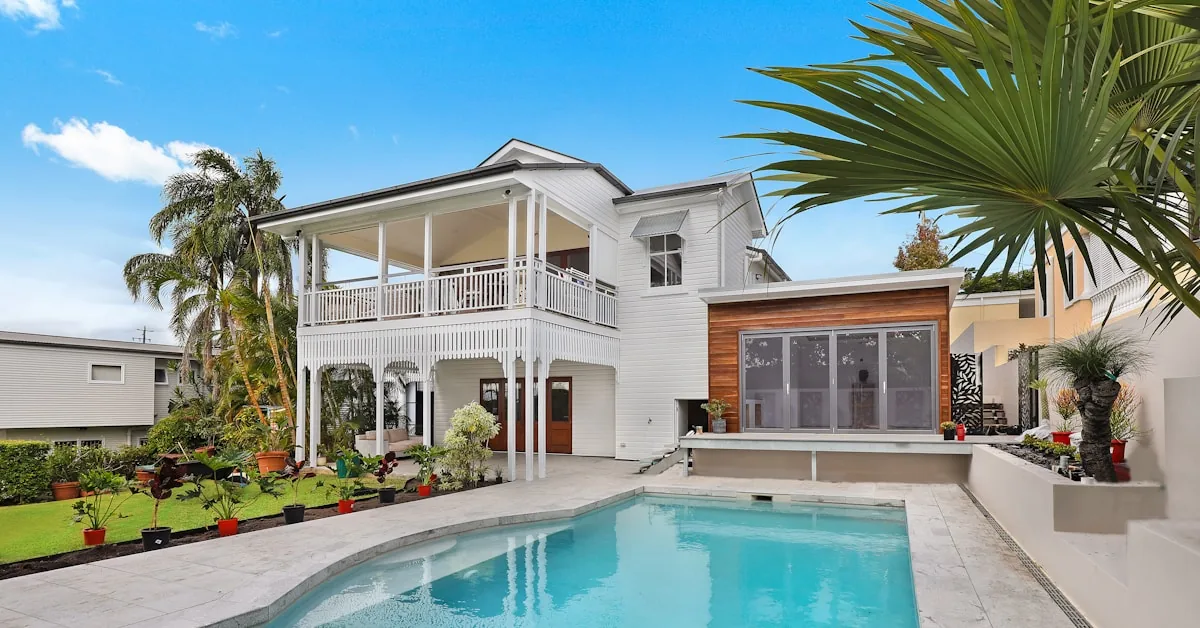
Pexels - Atlantic Ambience · original
In this article
Key Takeaway
Landlord insurance protects your rental property investment with three core components: building insurance (covers the structure), contents insurance (covers your fixtures and appliances), and loss of rent cover (replaces income when tenants can’t pay or the property becomes uninhabitable). Getting the right level of cover means accurately estimating your building’s replacement cost, the value of landlord-owned contents, and your weekly rental income. A landlord insurance calculator helps you work through each component and understand what a comprehensive policy might cost for your specific property.
What Landlord Insurance Covers in Australia
Landlord insurance is a specialised policy designed for rental property investors. It goes beyond standard home and contents insurance by addressing the unique risks landlords face, including tenant-related damage, loss of rental income, and liability claims from tenants or visitors.
The three main components work together to protect your investment. Building insurance covers the physical structure (walls, roof, floors, permanent fixtures) against damage from fire, storm, theft, malicious damage, and other insured events. Contents insurance protects landlord-owned items such as carpets, curtains, appliances, and furniture you provide to tenants. Loss of rent cover provides financial protection when your rental income stops due to an insured event making the property uninhabitable, or when tenants default on rent (MoneySmart, 2026).
How the Calculator Estimates Your Cover Needs
Building Cover
The calculator asks for your property’s replacement cost, not its market value. Replacement cost is what it would cost to rebuild your property from the ground up if it were completely destroyed. This figure excludes the land value (which cannot be destroyed) and focuses purely on construction costs per square metre, the number of rooms, and any special features such as swimming pools, decks, or high-end finishes.
According to the Insurance Council of Australia, underinsurance is a common problem when property owners estimate building cover based on market value rather than replacement cost (Insurance Council of Australia, 2026). The calculator helps you avoid this by prompting you to consider construction type, building size, and local building costs in your area.
Contents Cover
For landlord-owned contents, the calculator totals the replacement value of all items you provide to tenants. This includes fixed floor coverings, window treatments, major appliances (refrigerator, washing machine, dishwasher), and any furniture or furnishings. Do not include the tenant’s personal belongings, which are their responsibility to insure.
As foundational texts such as Principles of Finance explain, accurate asset valuation is essential for appropriate insurance coverage. Work through each room and list items systematically to avoid missing significant value.
Loss of Rent
The calculator estimates loss of rent cover based on your weekly rental income and the period you want covered (typically 26 or 52 weeks). This component reimburses you when tenants stop paying rent or when the property becomes unliveable after an insured event such as fire or storm damage. The cover period you choose should reflect how long it might realistically take to repair major damage or find new tenants.
Why Accurate Estimates Matter
Underinsuring your rental property leaves you financially exposed. If your building sum insured is only 80 per cent of the true replacement cost, insurers may reduce your claim payout proportionally under the principle of average. This means a A$100,000 claim could be reduced to A$80,000, leaving you A$20,000 out of pocket.
Overinsuring also wastes money on unnecessarily high premiums. The calculator helps you find the appropriate balance by working through each component methodically and applying realistic replacement values rather than guesswork (Finder Australia, 2026).
Read also: What Is Landlord Insurance and What Does It Cover in Australia
Additional Considerations
Landlord insurance policies in Australia typically include public liability cover (protecting you if someone is injured on your property), legal expenses cover (for disputes with tenants), and optional extras such as rent default cover (when tenants simply refuse to pay, without the property being uninhabitable). The calculator may prompt you to consider these add-ons based on your risk profile.
Excess is the amount you pay toward each claim before the insurer contributes. A higher excess reduces your premium but increases your upfront cost when you claim. The calculator can show how different excess levels affect your annual premium.
Cover, exclusions, and availability vary by insurer and by state or territory. Before making a decision, read the Product Disclosure Statement (PDS) and the Target Market Determination (TMD) for any policy you are considering. Standard exclusions often include wear and tear, damage by pets, flood (unless specifically added), and intentional damage by the property owner.
What Happens After You Use the Calculator
The calculator provides an estimated total premium based on the cover levels you have selected. This is a guide only. To obtain a binding quote, you will need to contact insurers or use their online quote systems with full property details, your claims history, and any risk factors such as location in a bushfire or flood zone.
Compare quotes from multiple insurers. Premiums vary significantly based on insurer risk appetite, your property’s location, the age and construction type of the building, your claims history, and the excess you choose. Consider the scope of cover and exclusions, not just the price.
Next Steps
Use the calculator to understand what level of building, contents, and loss of rent cover suits your rental property investment. Once you have realistic estimates, obtain quotes from at least three insurers, read their PDSs carefully, and consider speaking with a licensed insurance broker who specialises in landlord insurance for personalised advice.
General Advice Warning: This article provides general information only and does not take into account your objectives, financial situation, or needs. Before acting on any information here, consider whether it is appropriate for you, read the relevant Product Disclosure Statement (PDS), and consider obtaining personal advice from a licensed insurance adviser. Cover, exclusions, premiums, and policy terms vary by insurer and by individual circumstances. Always verify current terms directly with insurers or a licensed adviser before making a decision. Premiums and cover limits referenced are indicative only and subject to change.
Sources
- Insurance Guide (accessed )
- Consumer Resources (accessed )
- Home Insurance (accessed )
- Principles of Finance (accessed )
Related articles
What Is Landlord Insurance and What Does It Cover in Australia
Landlord insurance covers building damage, loss of rent, tenant damage and liability for Australian investment properties. Learn what's included.

Landlord Insurance in Australia: What Investment Property Owners Need to Know
Landlord insurance in Australia covers investment property risks standard home insurance does not. Learn what it protects and why property investors need it.
Does Your Insurance Cover Hail Damage? What Australian Homeowners and Drivers Need to Know
Find out if your Australian home or car insurance covers hail damage. Learn about comprehensive cover, exclusions, and how to claim after a hailstorm.
