Landlord Insurance for Investment Property Buyers in Australia
Spring property season brings investment opportunities, and landlord insurance protects your rental income and building when standard home insurance won't cover tenants or loss of rent.

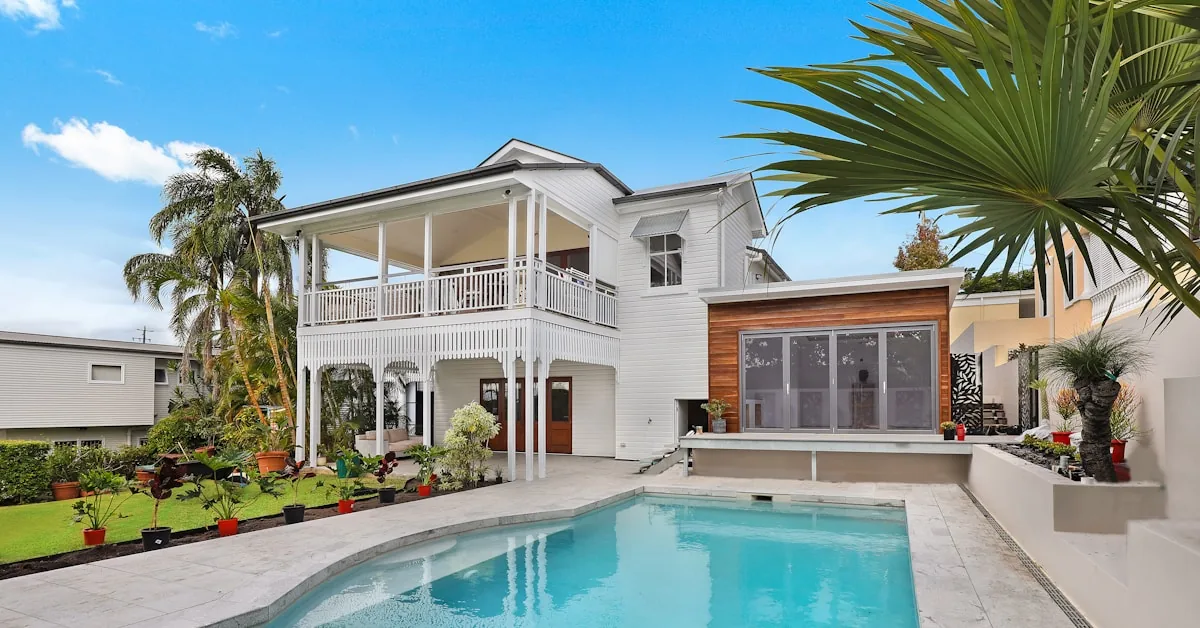
Pexels - Atlantic Ambience · original
In this article
Landlord insurance is a specialised building and liability policy designed for rental properties. It covers risks standard home insurance excludes, such as tenant-caused damage, malicious acts, and loss of rental income. If you’re buying an investment property this spring, arranging landlord insurance before settlement protects your asset and income stream from day one.
What landlord insurance covers
Landlord insurance typically includes building cover (the structure itself, including fixtures like kitchens and bathrooms), landlord contents (items you supply such as curtains, carpets, or appliances), and public liability if a tenant or visitor is injured on the property. Most policies also cover loss of rent if the property becomes uninhabitable due to an insured event, such as fire or storm damage, and legal expenses if you need to pursue a tenant for unpaid rent or property damage.
According to the Insurance Council of Australia, landlord policies are structured to address the commercial nature of renting, where wear and tear and tenant behaviour introduce risks that owner-occupied home insurance does not cover (Insurance Council of Australia, 2026).
How it differs from standard home insurance
Standard home and contents insurance is written for owner-occupiers and typically excludes cover when the property is tenanted. A standard policy will not pay for damage caused by tenants, loss of rental income, or liability arising from letting the property. Landlord insurance fills these gaps, but it does not cover the tenant’s personal belongings (tenants need their own contents insurance for that) or issues arising from the tenant’s failure to maintain the property beyond what the policy defines as malicious or accidental damage.
ASIC MoneySmart emphasises that landlords should read the Product Disclosure Statement (PDS) carefully, as cover for certain tenant-related events varies by insurer (MoneySmart, 2026).
Spring property season considerations
Spring is traditionally the busiest period for property sales in Australia, with more listings and competition among buyers. If you are purchasing an investment property during this season, arrange landlord insurance before settlement so cover is active from the day you take possession. Many lenders require proof of building insurance before approving finance, and if you plan to rent the property immediately, landlord insurance is non-negotiable.
Consider the property’s location and construction when selecting a policy. Flood cover is often an optional extra and is particularly relevant in flood-prone areas. Strata-titled properties (units and townhouses) may have building insurance through the owners corporation, but you will still need landlord-specific cover for your contents, loss of rent, and liability as a landlord.
What to check before buying
Before committing to a policy, verify the sum insured for the building matches the rebuild cost (not the market value), confirm whether flood and storm damage are included or excluded, check the excess amount for each type of claim, and review the waiting period for loss-of-rent cover. Ask whether the policy covers short-term rentals if you plan to use platforms like Airbnb, as some policies exclude or limit this.
As educational texts such as Principles of Finance explain, insurance is a risk transfer mechanism, and the terms of that transfer matter. Always read the PDS and the Target Market Determination (TMD) to ensure the policy fits your circumstances, and compare at least three quotes to balance cover and cost.
Next steps
If you are making an offer on an investment property this spring, request quotes from at least three insurers before settlement. Provide accurate details about the property (age, construction type, location, intended use) to ensure the quote reflects the actual cover you will receive. Once you have a policy in place, keep a copy of the PDS, note the renewal date, and review the cover annually to account for changes in rebuild costs or rental income.
General advice warning: This is general information only and does not take into account your objectives, financial situation, or needs. Before acting on it, consider whether it is appropriate for you and read the relevant Product Disclosure Statement (PDS). Consider obtaining personal advice from a licensed insurance adviser for your specific circumstances. Cover, exclusions, and availability vary by insurer and by state or territory; confirm current terms in the PDS and with a licensed adviser before deciding.
Sources
- Insurance for Home Owners and Renters (accessed )
- Consumer Insurance Resources (accessed )
- Home Insurance Guide (accessed )
- Principles of Finance (accessed )
Related articles

Landlord Insurance Calculator Australia: Building, Contents, and Loss of Rent Cover Explained
Use our landlord insurance calculator to estimate building, contents, and loss of rent cover for your Australian rental property investment.
What Is Landlord Insurance and What Does It Cover in Australia
Landlord insurance covers building damage, loss of rent, tenant damage and liability for Australian investment properties. Learn what's included.

Underinsurance in Australia: Why Your Home Claim Can Be Cut Short
Underinsurance can slash your Australian home insurance payout. Learn why insurers reduce claims and how to check your sum insured is adequate.
