Underinsurance in Australia: Why Your Home Claim Can Be Cut Short
Learn why Australian insurers can reduce your home claim payout when you are underinsured, and how to check whether your sum insured matches your rebuild cost.
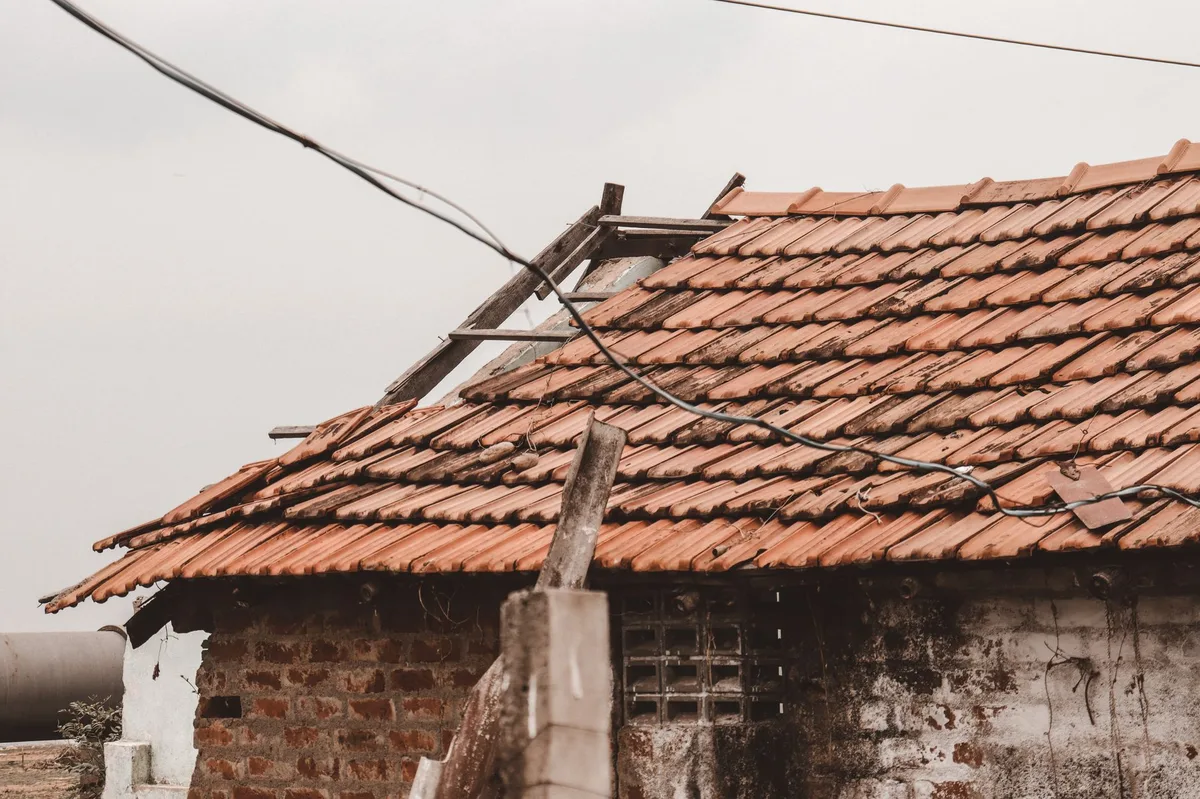
Pexels - GOWTHAM AGM · original
In this article
Key Takeaway
Underinsurance occurs when your home insurance sum insured is less than the actual cost to rebuild your home. Australian insurers apply an average clause (also called a co-insurance penalty) that reduces your claim payout in proportion to how underinsured you are, even for partial losses. If you are insured for only 70 per cent of your rebuild cost, you receive only 70 per cent of every claim, regardless of the damage amount.
What Is Underinsurance?
Underinsurance means the sum insured on your home insurance policy is too low to cover the full cost of rebuilding your home to the same standard if it were destroyed. The sum insured is the maximum amount your insurer will pay, and you choose this figure when you take out or renew your policy.
Many Australians select a sum insured based on the property’s market value or the amount they paid for it. However, rebuild cost and market value are not the same. Market value includes the land, the location premium, and current demand. Rebuild cost is the actual expense of demolishing the damaged structure and constructing a new home of the same size, standard, and finish using current labour and material costs. Building costs have risen sharply in recent years, and older properties with heritage features or custom finishes often cost far more to rebuild than their market price suggests.
According to the Insurance Council of Australia, underinsurance is widespread, and many policyholders discover the gap only at claim time (Insurance Council of Australia, 2026).
How Underinsurance Reduces Your Claim
Most Australian home insurance policies contain an average clause (sometimes called a co-insurance clause or underinsurance penalty). This clause allows the insurer to reduce your claim payout in proportion to how underinsured you are, and it applies to every claim, not just total losses.
The formula is: (Sum insured / True rebuild cost) x Claim amount = Payout
If your rebuild cost is A$500,000 but you insured for A$350,000, you are 70 per cent insured. For a A$50,000 storm damage claim, you receive (A$350,000 / A$500,000) x A$50,000 = A$35,000. You wear the A$15,000 shortfall, plus your excess. As highlighted in foundational insurance texts such as Principles of Finance, accurate valuation is central to managing risk exposure and avoiding unexpected out-of-pocket costs.
ASIC MoneySmart warns that underinsurance is one of the most common traps in home insurance, and many consumers assume the insurer will simply pay up to the sum insured without applying a reduction (ASIC MoneySmart, 2026).
Why Australians End Up Underinsured
The main reasons include:
Read also: How Many Australians Worry About Home Insurance Costs in Australia?
- Confusing rebuild cost with market value. Land is not insured (you still own it after the house is gone), so the rebuild cost is often lower than the purchase price, but this is not always true. Unique homes, those in remote areas, or those with expensive finishes can cost much more to rebuild than their resale value.
- Failing to increase the sum insured over time. Building costs rise with inflation, labour shortages, and material price spikes. A sum insured set five years ago may now be 20 to 30 per cent too low.
- Underestimating the cost of custom features. Period details, imported tiles, custom joinery, and high ceilings all add to the rebuild bill.
- Choosing a lower sum insured to reduce the premium. The saving is small compared to the financial hit when a claim is cut.
How the Calculator Helps You
The underinsurance checklist tool walks you through the factors that affect your rebuild cost: your home’s size, construction type, age, roof material, number of storeys, and any special features such as pools, sheds, or heritage details. It compares your current sum insured with a realistic rebuild estimate and shows you how much your claim payout would be reduced if you lodged a claim today.
By using the calculator now, before a loss occurs, you can identify whether your sum insured is adequate and adjust it at your next renewal.
What to Do If You Are Underinsured
Review your policy’s sum insured at every renewal. Many insurers offer automatic indexation (the sum insured increases each year in line with a building cost index), but this may not keep pace with your actual rebuild cost if your area has seen rapid price growth or if your home has unique characteristics.
Consider obtaining a professional rebuild cost assessment from a quantity surveyor or valuer. This gives you a current, evidence-based figure to use when setting your sum insured. Read your Product Disclosure Statement (PDS) and Target Market Determination (TMD) to understand how your insurer applies the average clause and whether any waiver or buffer applies for minor shortfalls (some insurers waive the penalty if you are within 10 or 20 per cent of the true cost).
If your claim has been reduced due to underinsurance and you believe the insurer’s rebuild estimate is wrong or the reduction was not disclosed clearly in your PDS, you can lodge a complaint with the Australian Financial Complaints Authority (AFCA) (AFCA, 2026).
Conclusion
Underinsurance is a silent risk. Your policy feels adequate until a claim is lodged, and the payout is slashed. The difference between your sum insured and your true rebuild cost is money you pay out of your own pocket at the worst possible time. Use the calculator to check your position now, and review your sum insured every year.
General advice warning: This article provides general information only and does not take into account your objectives, financial situation, or needs. Before acting on any information in this article, you should consider whether it is appropriate for you, read the relevant Product Disclosure Statement (PDS) and Target Market Determination (TMD), and consider obtaining personal advice from a licensed financial adviser or insurance broker. Home insurance cover, exclusions, and the application of average clauses vary by insurer, by state or territory, and by individual policy terms. Verify all details with your insurer and read your PDS carefully. For disputes about claims, contact the Australian Financial Complaints Authority (AFCA) at afca.org.au or 1800 931 678.
Sources
- Insurance (accessed )
- Consumer Resources (accessed )
- Make a Complaint (accessed )
- Principles of Finance (accessed )
Related articles

Bushfire Season Cover: Underinsurance and What to Check Now in Australia
Check if your home insurance covers bushfire damage and whether you're underinsured. Essential steps to review before bushfire season in Australia.
Why Australian Home Insurance Premiums Have Climbed 51% in Five Years
Australian home insurance premiums have risen 51% in five years. Learn what's driving the increase, regional impacts, and practical steps to manage costs.
Understanding Home and Contents Insurance Coverage in Australia
Understand what home and contents insurance covers in Australia, common exclusions, and how to avoid underinsurance with the right sum insured.
