Flood Insurance Waiting Periods in Australia: Why Last-Minute Cover Won't Help
Flood insurance waiting periods prevent claims for up to 72 hours after purchase, leaving homeowners who buy cover when floods loom without protection.
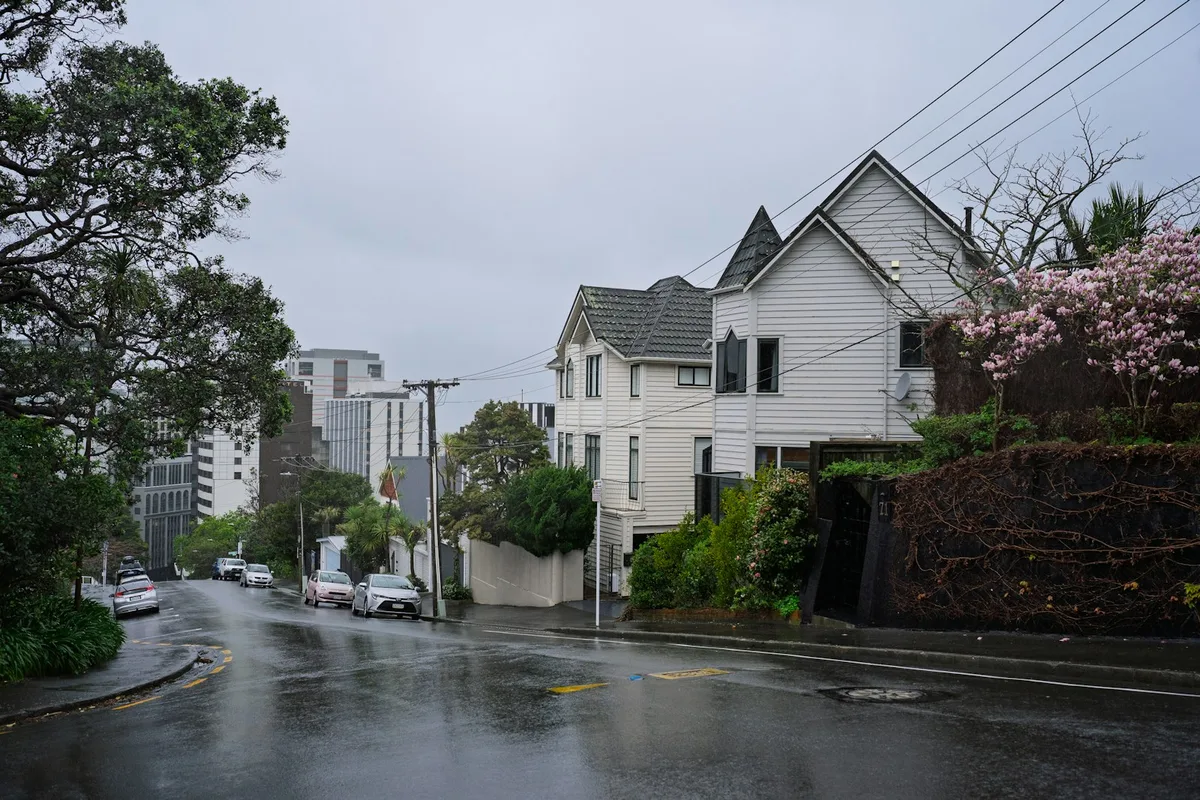
Unsplash - Matthew Larsen · original
In this article
Flood insurance waiting periods prevent policyholders from claiming for a set time after purchasing cover, typically 72 hours to 30 days depending on the insurer and policy type. Tony and Diane’s case demonstrates a harsh reality: buying flood insurance when a weather event is already forecast or imminent won’t protect you, because insurers exclude claims that occur during the waiting period to prevent people from buying cover only when disaster looms.
What Flood Insurance Waiting Periods Are
A waiting period (also called a qualifying period) is the time between when you take out a home or contents insurance policy with flood cover and when you can actually make a flood-related claim. During this period, the policy is active and you pay premiums, but the insurer will reject any flood claims.
According to the Insurance Council of Australia, most Australian home insurance policies include a waiting period specifically for flood claims, separate from other types of cover (Insurance Council of Australia, 2024). The waiting period for storm damage, fire, or theft typically starts immediately or after 24 hours, but flood waiting periods run longer.
Standard waiting periods for flood cover in Australia range from 72 hours (three days) at the shortest to 30 days at the longest, though some insurers set the period at 14 days. The exact period is always disclosed in your Product Disclosure Statement (PDS), which you must read before purchasing or renewing a policy.
Why Insurers Use Waiting Periods
Waiting periods exist to combat adverse selection, a concept covered in foundational insurance texts such as Introduction to Business. Adverse selection occurs when people buy insurance only when they know a loss is likely or imminent, rather than maintaining continuous cover.
Without waiting periods, homeowners in flood-prone areas could monitor weather forecasts, purchase insurance the day before a predicted flood, and immediately claim tens or hundreds of thousands of dollars in damage. This behaviour would destabilise the insurance pool, as the insurer would collect one or two days of premiums but pay out a full claim. The cost would ultimately be spread across all policyholders through higher premiums.
Waiting periods force buyers to purchase cover before a specific event is forecast, ensuring they maintain insurance as ongoing protection rather than a last-minute rescue. This keeps the risk pool sustainable and premiums more affordable for everyone.
When Waiting Periods Apply (and Exceptions)
Flood waiting periods apply when you first take out a policy or when you add flood cover to an existing policy that previously excluded it. If you already have continuous flood cover and simply renew your policy with the same insurer, the waiting period typically does not restart, even if premiums or the sum insured change.
Some insurers waive the waiting period if you switch from another insurer and provide proof of continuous prior flood cover (often called a no-gap or transfer provision). This means you could move from Insurer A to Insurer B and have flood cover active immediately, provided you had unbroken cover with Insurer A and did not let the policy lapse.
Waiting periods do not apply to events that are unrelated to weather forecasts at the time you bought the policy. If you purchase cover today with a 14-day waiting period and a flood occurs three weeks later due to an unexpected storm, your claim will be assessed normally. The waiting period only prevents claims for events that were already forecast, imminent, or occurring when you took out the policy.
The Risk of Buying Cover Too Late
Tony and Diane’s situation, reported by ABC News, illustrates what happens when homeowners buy flood insurance after a weather event is already forecast or underway. Even though they acted quickly and purchased a policy before the floodwater reached their home, the insurer rejected their claim because the flood occurred during the waiting period.
The sequence typically unfolds like this: severe weather is forecast, the Bureau of Meteorology issues flood warnings, residents in the affected area rush to buy or add flood cover, and then the flood arrives within days. Because most waiting periods run for at least 72 hours and many extend to 14 or 30 days, claims arising from that specific event are excluded.
Read also: What Australian Homeowners Should Know About Flood Insurance
As explained by ASIC MoneySmart, insurers are not required to cover events that were already known risks at the time the policy commenced (MoneySmart, 2024). Buying insurance when a flood is forecast is considered an attempt to claim for a known, imminent event, not a genuine transfer of uncertain risk.
How to Protect Yourself Before a Flood
The only reliable protection is to buy and maintain continuous flood cover before any weather event is forecast. This applies whether you live in a high-risk flood zone or an area with infrequent but possible flooding.
Check your current home and contents insurance PDS to confirm whether flood cover is included, excluded, or available as an optional add-on. Many older policies exclude flood entirely, and some insurers charge an additional premium to add it. If your policy excludes flood and you want cover, request a quote for the addition, read the new PDS carefully to understand the waiting period, and activate the cover immediately rather than waiting for a forecast.
For properties in flood-prone areas identified on council flood maps or within declared floodplains, consider flood cover a non-negotiable part of your home insurance. Waiting until a wet season begins or a La Niña pattern is forecast leaves you exposed during the waiting period.
If you are buying a new property in a flood-risk area, arrange home insurance with flood cover to start the day settlement occurs, so the waiting period expires before you are fully moved in.
What to Do If You Are Caught Without Cover
If a flood is already forecast and you do not have flood cover, buying a new policy will not help for that specific event. Instead, focus on immediate flood preparation: move valuables to higher ground, photograph your property and contents for any future claims, review your existing policy to understand what other damage (such as storm or rainwater entry through the roof) might be covered separately from flood, and ensure your family’s safety.
After the event, assess the damage and contact your insurer to understand whether any part of the loss is covered under non-flood sections of your policy. Some water damage caused by storm runoff entering through windows or roofs may be covered under storm damage provisions, even if flood (water entering from ground level) is excluded.
If your claim is rejected and you believe the rejection is unfair, you can lodge a complaint with the Australian Financial Complaints Authority (AFCA), which provides a free dispute resolution service for insurance matters (AFCA, 2024).
Conclusion
Flood insurance waiting periods are a permanent feature of Australian home insurance, designed to prevent adverse selection and keep premiums sustainable. Tony and Diane’s experience is a reminder that flood cover must be in place well before any weather event is forecast. Read your PDS, confirm your waiting period, and activate flood cover now if you do not already have it, rather than waiting until the Bureau of Meteorology issues warnings. Continuous cover is the only reliable protection.
General Advice Warning: This article provides general information only and does not take into account your objectives, financial situation, or needs. Before acting on any information in this article, you should consider whether it is appropriate for you, read the relevant Product Disclosure Statement (PDS) and Target Market Determination (TMD), and consider obtaining personal advice from a licensed insurance adviser. Flood insurance terms, waiting periods, exclusions, and availability vary by insurer, policy, and location. Always verify current terms in the PDS and with a licensed adviser before making a decision.
Sources
- Insurance (accessed )
- Consumer Resources (accessed )
- Make a Complaint (accessed )
- Introduction to Business (accessed )
Related articles
What Australian Homeowners Should Know About Flood Insurance
Flood cover is not automatic in Australian home insurance. Learn what is covered, when you need it, and how to protect your property.
Is Flood Insurance Worth Having in Australia?
Flood insurance protects against costly water damage in Australia. Learn what it covers, how much it costs, and whether it's worth having for your property.
Flood and Cyclone Insurance Coverage Gaps in Australia
Discover common flood and cyclone insurance coverage gaps in Australia and learn how to protect your home from devastating out-of-pocket costs.
