Preparing Your Home Insurance Claim for Spring Storm and Hail Season in Australia
A practical checklist to help Australian homeowners prepare for storm and hail damage claims during spring, including documentation tips and policy review guidance.

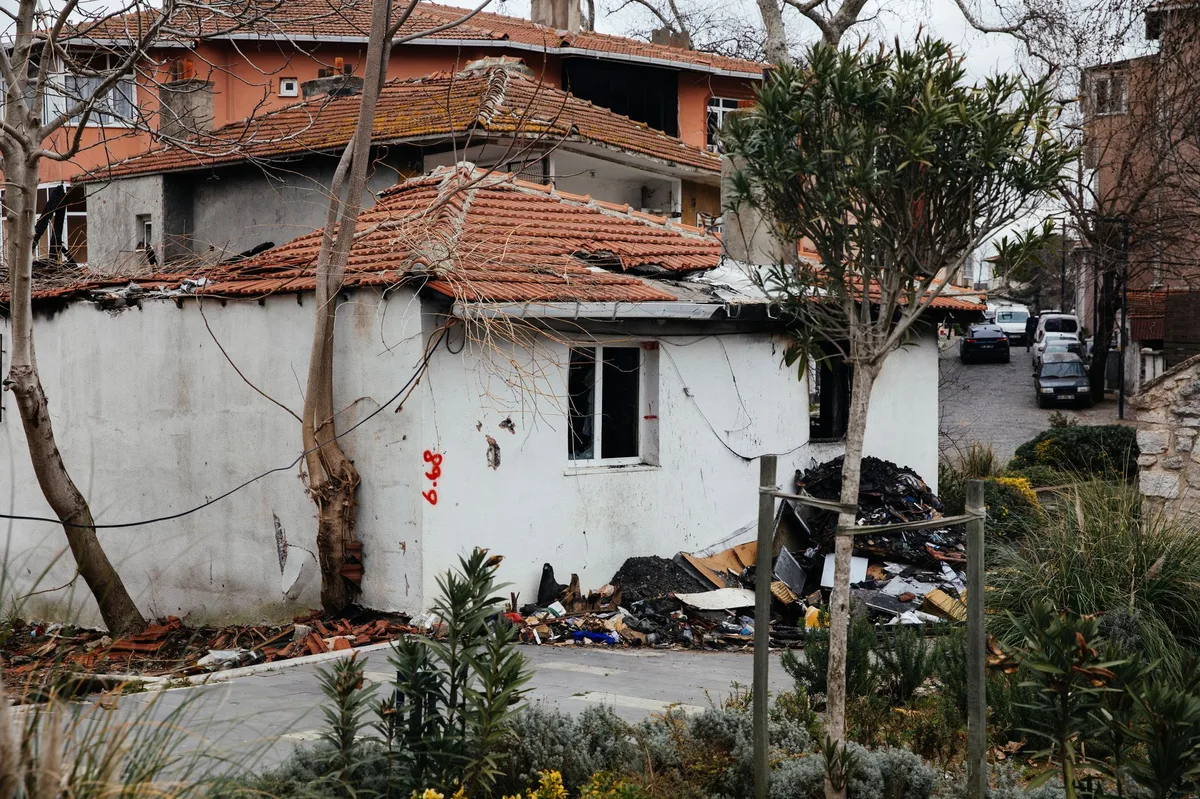
Pexels - Mikhail Nilov · original
In this article
Key takeaway: Spring storm and hail season in Australia (September through November) brings increased risk of property damage. Before the season arrives, review your home insurance policy to understand your coverage limits and exclusions, document your property with photos and receipts, and know the claims process so you can act quickly when damage occurs.
Why Spring Storm Preparation Matters
Australia’s spring months bring severe thunderstorms, damaging hail, and high winds across many regions, particularly in southeast Queensland, New South Wales, and parts of Victoria and South Australia. According to the Insurance Council of Australia, storm and hail events cause significant property damage each year, with claims running into hundreds of millions of dollars (Insurance Council of Australia, 2026).
Most home insurance policies cover storm and hail damage, but successful claims depend on proper preparation and documentation. Understanding your coverage before damage occurs helps you act quickly and avoid common mistakes that can delay or reduce your payout.
Your Pre-Season Preparation Checklist
1. Review Your Policy and Product Disclosure Statement (PDS)
Read your home insurance policy and PDS carefully to confirm what storm and hail damage is covered. Check your sum insured amount (is it enough to rebuild or replace your home and contents at current costs?), your excess amount, and any specific exclusions. According to ASIC MoneySmart, understanding your policy terms before you need to claim is essential for avoiding unexpected gaps in coverage (MoneySmart, 2026).
Look for coverage of:
- Building structure (roof, walls, windows, gutters)
- Internal damage from water entering through storm damage
- Contents damaged by storm or hail
- Temporary accommodation if your home becomes uninhabitable
- Debris removal costs
2. Document Your Property Before the Season
Take clear photos and videos of your home’s exterior and interior, including:
- Roof condition, gutters, and downpipes
- Windows, doors, and external walls
- Valuable contents and their condition
- Gardens, fences, sheds, and outdoor structures
Store these records securely off-site (cloud storage or email to yourself). Keep receipts, valuations, and proof of purchase for valuable items. This documentation becomes your baseline evidence if you need to prove damage occurred during a specific storm event.
3. Know What Storm and Hail Damage Covers (and What It Doesn’t)
Home insurance typically covers sudden, accidental damage from storms and hail. This includes damage from:
- Hailstones impacting your roof, windows, or car (if you have building or motor cover)
- Wind tearing off roof tiles or breaking windows
- Trees falling on your home due to storm winds
- Water damage caused by rain entering through storm-damaged roofing
Coverage usually does NOT include:
- Pre-existing damage or wear and tear
- Damage from lack of maintenance (for example, a roof that was already failing)
- Gradual water seepage or damage from long-term leaks
- Flood damage (requires separate flood cover in most policies)
Read your PDS to confirm the specific definitions and exclusions for your policy. Storm damage and flood damage are defined differently, and the distinction matters.
Read also: Preparing for Cyclone Season in Australia: Your Home Insurance Checklist
4. Act Quickly After Damage Occurs
Contact your insurer as soon as possible after a storm causes damage. Most policies require prompt notification. Note the date and time of the storm, take photos of all damage immediately, and keep damaged items (don’t dispose of them before an assessor inspects).
Make temporary repairs to prevent further damage (cover broken windows, tarp damaged roofs), but keep all receipts as these costs may be reimbursable under your policy. Do not begin permanent repairs until your insurer has assessed the damage and approved your claim.
5. Keep Detailed Evidence and Records
Document everything related to your claim:
- Photos and videos of all damage
- Date and time the storm occurred
- Receipts for emergency repairs and accommodation
- Written records of all conversations with your insurer (date, time, name of person you spoke to, what was discussed)
- Copies of all correspondence and claim forms
As covered in foundational risk management texts such as Principles of Finance, thorough documentation strengthens your position in any insurance claim and helps resolve disputes more quickly.
6. Understand the Claims Process and Your Rights
Your insurer will typically send an assessor to inspect the damage. Be present during the inspection if possible and point out all damage. If you disagree with the assessment or your claim is denied, you have the right to:
- Request a review of the decision
- Obtain an independent assessment at your own cost
- Lodge a complaint with the Australian Financial Complaints Authority (AFCA) if you cannot resolve the dispute with your insurer (AFCA, 2026)
Claims should be processed within reasonable timeframes. If delays occur, follow up regularly in writing.
Common Mistakes to Avoid
Do not delay notifying your insurer (prompt notification is usually a policy requirement). Do not dispose of damaged items before assessment. Do not underinsure your property; review your sum insured annually to ensure it reflects current rebuild costs. Do not assume your contents are covered under building insurance (they require separate contents cover or a combined policy).
Conclusion and Next Steps
Preparing for spring storm season starts with understanding your home insurance coverage and documenting your property before damage strikes. Review your policy and PDS now, update your sum insured if necessary, and create a digital record of your home and belongings. When a storm does cause damage, act quickly, document thoroughly, and keep detailed records throughout the claims process.
General advice warning: This information is general in nature and does not take into account your individual objectives, financial situation, or needs. Before acting on it, consider whether it is appropriate for you, read the relevant Product Disclosure Statement (PDS), and consider obtaining personal advice from a licensed insurance adviser. Coverage, exclusions, and claims processes vary by insurer and policy. Always verify current terms with your insurer and in the PDS before making decisions. As of October 2026; confirm current policy terms and coverage limits with your insurer.
Sources
- Insurance - MoneySmart (accessed )
- Consumer Resources (accessed )
- Make a Complaint (accessed )
- Principles of Finance (accessed )
Related articles

Preparing for Cyclone Season in Australia: Your Home Insurance Checklist
Cyclone season starts November 1 in Australia. Use this checklist to review your home and contents insurance, verify storm cover, and protect your property.
Does Your Insurance Cover Hail Damage? What Australian Homeowners and Drivers Need to Know
Find out if your Australian home or car insurance covers hail damage. Learn about comprehensive cover, exclusions, and how to claim after a hailstorm.

My Home Insurance Premium Leapt to $7000 in Australia: Here's What I Did
My home insurance jumped to $7000. I took 7 steps to tackle the increase and saved over $2000. Here's what worked for Australian homeowners.
