Preparing for Cyclone Season in Australia: Your Home Insurance Checklist
The Australian cyclone season begins November 1. Review your home and contents cover now to ensure you are protected against storm damage, flooding, and property loss.
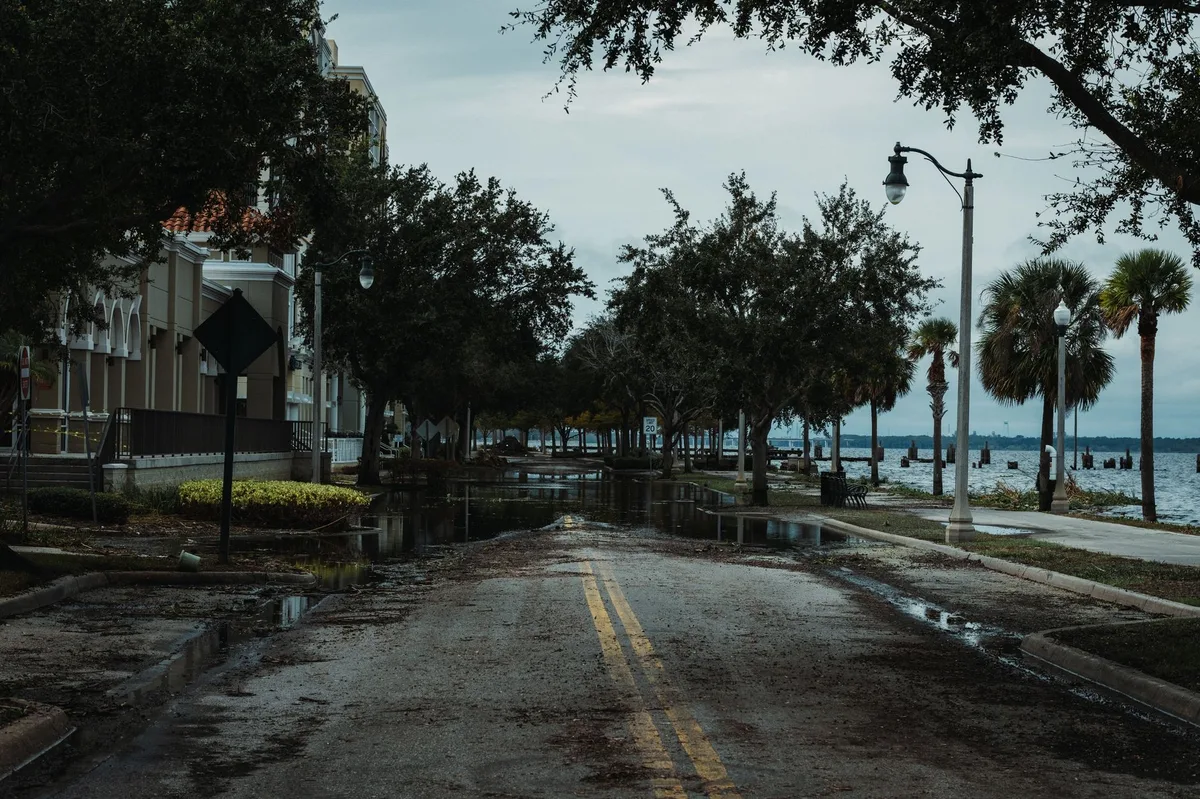
Unsplash - Matthew Larsen · original
In this article
Key Takeaway
The Australian cyclone season runs from November 1 to April 30, bringing severe weather risk to northern and coastal regions. If you live in a cyclone-prone area, review your home and contents insurance now to confirm you have adequate cover for storm damage, wind, rain, and potential flooding. Check your sum insured, verify cyclone cover is included (not excluded), understand your excess, and read your Product Disclosure Statement (PDS) before the season begins.
Why Review Your Cover Before Cyclone Season
Australia’s cyclone season officially begins on November 1 each year, with tropical cyclones most likely to form between November and April. Coastal regions across northern Australia, from Western Australia through the Northern Territory to Queensland, face the highest risk. Cyclones bring destructive winds, torrential rain, storm surge, and flooding, all of which can cause significant damage to homes and personal property.
Reviewing your home and contents insurance before the season starts ensures you understand what is covered, what is excluded, and whether your sum insured reflects the true cost of rebuilding or replacing your belongings. According to the Insurance Council of Australia, many homeowners discover gaps in their cover only after a cyclone hits (Insurance Council of Australia, 2026). Taking action now gives you time to adjust your policy, update valuations, and secure appropriate protection.
The foundational principles of insurance, as covered in texts such as Principles of Finance, emphasise the importance of adequate cover and regular policy review to manage risk effectively.
Cyclone Season Insurance Checklist
Work through the following checklist to prepare your home and contents insurance for the cyclone season.
1. Review Your Home Building Cover and Sum Insured
Your home insurance (building insurance) should cover the full cost of rebuilding your home if it is destroyed by a cyclone. The sum insured is the maximum amount your insurer will pay. Check that your sum insured is sufficient to cover:
- The cost of demolishing damaged structures.
- The cost of rebuilding to the same standard (including materials, labour, and any planning or council fees).
- Price increases in building materials and labour since you last updated your policy.
If your home is underinsured, you will be left to cover the shortfall out of pocket. ASIC MoneySmart recommends reviewing your sum insured annually and after any major renovations (MoneySmart, 2026).
2. Confirm Cyclone and Storm Damage Is Included
Not all home insurance policies automatically include cyclone cover, particularly in high-risk areas. Read your PDS to confirm:
- Cyclone damage (wind and rain) is covered, not excluded.
- Storm damage and storm surge are included.
- Any specific cyclone-related exclusions or conditions.
Some insurers in cyclone-prone regions may offer cyclone cover as an optional extra or apply higher excesses for cyclone claims. Verify the terms before the season begins.
3. Review Your Contents Insurance
Contents insurance covers your personal belongings inside your home, such as furniture, appliances, clothing, and electronics. If you have a combined home and contents policy, check both sections. For contents cover, confirm:
- The sum insured is enough to replace all your belongings at current replacement cost.
- Cyclone and storm damage to contents is covered.
- High-value items (jewellery, art, electronics) are individually listed if required.
If you rent, you will need standalone contents insurance, as landlord insurance does not cover your personal property.
Read also: Cyclone Season 2027: Your Essential Insurance Coverage Review Guide
4. Check Policy Exclusions
Every policy has exclusions. Common exclusions for cyclone-related claims include:
- Damage caused by lack of maintenance (for example, a roof that was already in poor condition).
- Damage from storm surge or flooding (often excluded from standard home and contents policies and covered separately under flood insurance).
- Damage to fences, gates, or external structures (may have sub-limits or exclusions).
Read the exclusions section of your PDS carefully. If an exclusion applies to a risk you face, consider whether you need additional cover.
5. Verify Your Excess Amounts
The excess is the amount you pay out of pocket when you make a claim. Cyclone claims may have a separate, higher excess than standard storm claims. Check:
- Your standard excess.
- Any additional cyclone excess.
- Whether the excess is a flat dollar amount or a percentage of the sum insured (percentage-based excesses can be substantial).
If the excess is unaffordable, you may need to adjust your policy or set aside emergency savings to cover it.
6. Update Property Valuations
If you have made improvements to your home (renovations, extensions, new fixtures), update your sum insured to reflect the increased rebuild cost. Similarly, if you have acquired expensive new contents (furniture, appliances, technology), increase your contents sum insured. An outdated valuation leaves you underinsured.
7. Review Your PDS and Target Market Determination (TMD)
The PDS sets out what is and is not covered, the terms of your policy, and how to make a claim. The TMD describes who the product is designed for. Read both documents to ensure the policy still suits your circumstances. If you have questions, contact your insurer or a licensed insurance adviser.
8. Consider Flood Cover Separately
Flood cover is not automatically included in all home and contents policies. Cyclones often bring heavy rainfall and flooding, so if your property is at risk of flood (check your local flood maps), confirm whether flood cover is included or arrange it separately. Flood cover and cyclone cover are distinct: one does not automatically include the other.
9. Document Your Property and Contents
Take photos or video of your home’s condition, fixtures, and contents before the cyclone season. Store this documentation in a safe place (cloud storage or off-site). If you need to make a claim, this evidence will support your claim and speed up the assessment process.
10. Speak to a Licensed Adviser
If you are unsure whether your cover is adequate, or if you have complex circumstances (investment property, high-value contents, strata title), speak to a licensed insurance adviser. They can review your policy, recommend adjustments, and help you understand your options. The Australian Government provides resources and contacts through australia.gov.au (Australian Government, 2026).
Conclusion
Cyclone season in Australia begins November 1, and preparation starts with reviewing your insurance. Work through this checklist now to confirm your home and contents cover is adequate, understand your excess and exclusions, and update your sum insured where needed. Taking action before a cyclone warning is issued ensures you are protected and avoids last-minute policy changes, which insurers may restrict once a cyclone has formed.
Financial Disclaimer
This article provides general information only and does not take into account your objectives, financial situation, or needs. Before acting on any information, consider whether it is appropriate for you and read the relevant Product Disclosure Statement (PDS) and Target Market Determination (TMD). Consider obtaining personal advice from a licensed insurance adviser. Cover, exclusions, and availability vary by insurer and by state or territory. Verify current terms and conditions with your insurer or a licensed adviser before making decisions.
Sources
- Consumer Insurance Resources (accessed )
- Insurance Guide (accessed )
- Australian Government Services (accessed )
- Principles of Finance (accessed )
Related articles

Cyclone Season 2027: Your Essential Insurance Coverage Review Guide
Complete guide to reviewing home and contents insurance before Australian cyclone season. Check flood cover, sum insured, excess levels, and exclusions.

Bushfire Season Cover: Underinsurance and What to Check Now in Australia
Check if your home insurance covers bushfire damage and whether you're underinsured. Essential steps to review before bushfire season in Australia.
Understanding Home and Contents Insurance Coverage in Australia
Understand what home and contents insurance covers in Australia, common exclusions, and how to avoid underinsurance with the right sum insured.
