Does Your Insurance Cover Hail Damage? What Australian Homeowners and Drivers Need to Know
Hail damage can cost thousands in repairs. Learn which insurance policies cover hail damage to your home and car in Australia, what's excluded, and how to claim.
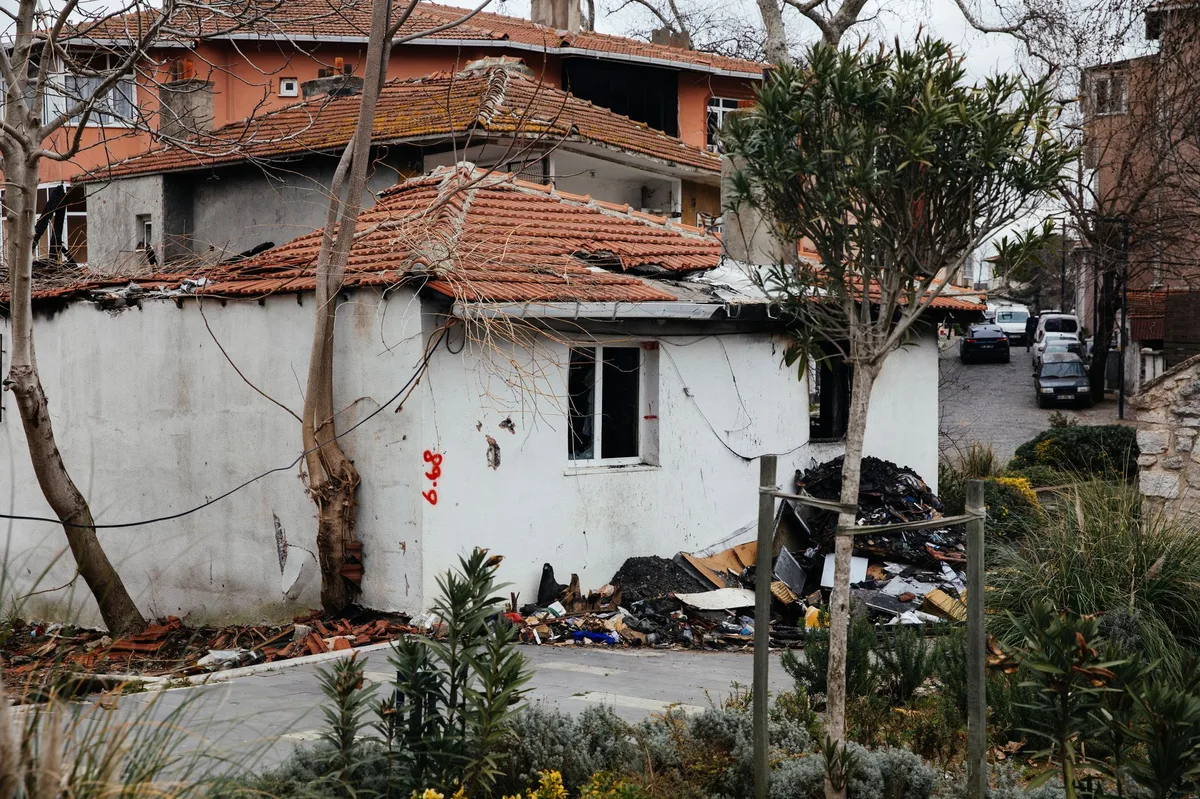
Pexels - Serkan Dinç · original
In this article
Key Takeaway: Comprehensive car insurance typically covers hail damage to your vehicle, while home building insurance covers hail damage to your roof, walls, and other structures. Contents insurance covers damaged belongings inside your home. However, cover depends on your specific policy terms, and you will need to pay your excess when you claim. Always read your Product Disclosure Statement (PDS) to confirm what is and is not covered.
Understanding Hail Damage and Insurance Cover in Australia
Hailstorms are a significant weather risk across Australia, particularly in regions like southeast Queensland, New South Wales, and parts of South Australia during spring and summer. A single severe hailstorm can cause billions of dollars in damage to homes and vehicles. According to the Insurance Council of Australia, understanding whether your insurance covers hail damage is essential for protecting your property and your finances (Insurance Council of Australia, 2026).
The answer to whether your insurance covers hail damage depends on the type of policy you hold. Car insurance and home insurance work differently, and the level of cover you have chosen determines whether hail damage is included.
Car Insurance and Hail Damage
Comprehensive Car Insurance
Comprehensive car insurance is the most complete level of cover available for your vehicle in Australia, and it typically includes hail damage. If hailstones dent your bonnet, crack your windscreen, or damage your paintwork, a comprehensive policy will generally cover the cost of repairs, minus your excess.
Comprehensive cover protects your car against a wide range of risks, including storms, fire, theft, and accidental damage, as well as damage you cause to other people’s property. As foundational texts such as Principles of Finance explain, comprehensive insurance transfers the financial risk of unexpected events from you to the insurer in exchange for a premium.
Third Party Property and Third Party Fire and Theft
If you only hold third party property insurance or third party fire and theft insurance, your policy will not cover hail damage to your own vehicle. These policies only cover damage you cause to other people’s property (third party property) or damage to your car from fire and theft (third party fire and theft). Hail damage to your car falls outside the scope of these policies.
Compulsory Third Party (CTP)
Compulsory Third Party (CTP) insurance, sometimes called the green slip in New South Wales, covers personal injury to other people in an accident you cause. It does not cover any property damage, including hail damage to your car or anyone else’s.
Home Insurance and Hail Damage
Home insurance in Australia is typically divided into two main types: building insurance (also called home insurance) and contents insurance. Whether hail damage is covered depends on which policy you hold and what the damage affects.
Building Insurance
Building insurance covers the physical structure of your home, including the roof, walls, windows, doors, fixtures, and permanent structures like sheds and fences. Hail damage to these parts of your property is generally covered under a standard building insurance policy, provided the damage is sudden and accidental.
For example, if a hailstorm cracks roof tiles, breaks windows, or damages gutters, your building insurance should cover the cost of repairs, minus your excess. According to ASIC MoneySmart, building insurance is essential for homeowners to protect against storm and weather-related damage (MoneySmart, 2026).
Contents Insurance
Contents insurance covers your belongings inside your home, such as furniture, appliances, clothing, and electronics. If hail breaks through a window or skylight and damages items inside, or if outdoor furniture is damaged during a storm, your contents insurance may cover the loss. However, contents policies often exclude items left outside or in open areas unless they are specifically listed or covered under your policy terms.
Read also: Cyclone Season 2027: Your Essential Insurance Coverage Review Guide
Combined Home and Contents Policies
Many Australians choose a combined home and contents policy, which bundles building and contents cover into a single policy. This provides comprehensive protection for both the structure and the belongings inside your home. Hail damage to both the building and contents would typically be covered, subject to the policy terms and your excess.
Common Exclusions and Conditions
While hail damage is generally covered under comprehensive car insurance and home building insurance, there are important exclusions and conditions to be aware of:
- Wear and Tear: Policies do not cover gradual deterioration or damage caused by lack of maintenance. If your roof was already in poor condition before the hailstorm, the insurer may reduce or refuse your claim.
- Excess: You will need to pay your excess (the amount you contribute toward each claim) before the insurer covers the remaining cost. Excess amounts vary by policy and can range from a few hundred to over a thousand dollars.
- Policy Limits: Contents insurance policies have sum insured limits. If the total value of damaged items exceeds your sum insured, you will not be fully covered.
- Unattended Vehicles: Some car insurance policies have specific exclusions or higher excesses if your car was left unattended during a severe weather warning. Always check your PDS for these conditions.
- Pre-existing Damage: Insurers will not cover damage that existed before the hailstorm. Photos and documentation of your property and vehicle condition can help support your claim.
How to Make a Hail Damage Claim
If your home or car is damaged by hail, follow these steps to lodge a claim:
- Document the Damage: Take clear photos and videos of all damage as soon as it is safe to do so. This evidence supports your claim.
- Review Your PDS: Check your Product Disclosure Statement (PDS) and Target Market Determination (TMD) to confirm your cover and understand your excess and any exclusions.
- Contact Your Insurer Promptly: Lodge your claim as soon as possible. Most insurers have 24-hour claim hotlines and online claim portals.
- Get Quotes for Repairs: Some insurers require multiple quotes for repairs. Follow your insurer’s process for approved repairers.
- Keep Records: Save all correspondence, receipts, and documentation related to your claim.
If your claim is disputed or you are unhappy with the outcome, you can lodge a complaint with the Australian Financial Complaints Authority (AFCA) for independent dispute resolution.
Conclusion
Hail damage can be costly, but the right insurance cover provides financial protection. Comprehensive car insurance and building insurance typically cover hail damage, while third party car insurance and basic policies do not. Contents insurance covers damaged belongings, subject to policy limits. Always read your PDS carefully, understand your excess and exclusions, and document damage promptly to support your claim. For personalised advice on your insurance needs, consult a licensed insurance adviser.
General Advice Warning: This article provides general information only and does not take into account your personal objectives, financial situation, or needs. Before acting on this information, you should consider whether it is appropriate for you and read the relevant Product Disclosure Statement (PDS). Consider obtaining personal advice from a licensed insurance adviser. Coverage, exclusions, and availability vary by insurer and by state or territory. As of October 2026, verify current terms in the PDS or with a licensed adviser before deciding.
Sources
- Insurance - MoneySmart (accessed )
- Consumer Resources - Insurance Council of Australia (accessed )
- Home Insurance Guide (accessed )
- Principles of Finance (accessed )
Related articles

Cyclone Season 2027: Your Essential Insurance Coverage Review Guide
Complete guide to reviewing home and contents insurance before Australian cyclone season. Check flood cover, sum insured, excess levels, and exclusions.

Bushfire Season Cover: Underinsurance and What to Check Now in Australia
Check if your home insurance covers bushfire damage and whether you're underinsured. Essential steps to review before bushfire season in Australia.

Preparing Your Home Insurance Claim for Spring Storm and Hail Season in Australia
Prepare for spring storm and hail damage with this practical home insurance claim checklist for Australian homeowners. Know your coverage before disaster strikes.
