Why Australian Home Insurance Premiums Have Climbed 51% in Five Years
Home insurance premiums in Australia have surged 51% over five years, driven by climate risk, rising building costs, and reinsurance pressures. Understand what's behind the increase and how to manage your cover.
Pexels - Efrem Efre · original
In this article
Australian home insurance premiums have risen 51% over the past five years, outpacing wage growth and putting pressure on household budgets. The increase is driven by three converging forces: escalating climate-related claims from floods, bushfires, and storms; soaring reinsurance costs as global insurers reassess Australian risk; and construction cost inflation that has pushed replacement values higher. Regional variations are stark, with flood-prone and cyclone-affected areas seeing even steeper rises.
What the 51% Premium Increase Means
Between 2021 and 2026, Australian homeowners have watched their combined home and contents insurance premiums climb from an average of around A$1,800 to approximately A$2,700 annually. The 51% rise represents one of the steepest sustained increases in home insurance costs in the country’s history. While premiums have always fluctuated in response to claims activity, the current surge reflects structural shifts in how insurers price risk, not just a temporary spike following isolated events.
This increase affects building insurance (covering the dwelling structure), contents insurance (personal belongings), and combined policies. Homeowners in high-risk postcodes have faced sharper rises, with some reporting 70% to 100% increases over the same period. The cost pressure has left an estimated 10% of Australian homeowners underinsured or without building cover altogether, according to the Insurance Council of Australia.
Key Drivers Behind Rising Premiums
Climate Risk and Natural Disaster Claims
Australia’s exposure to natural disasters has intensified over the past decade. The 2019-2020 Black Summer bushfires, the 2022 east coast floods, and repeated cyclone seasons have generated billions in insured losses. Insurers use these claims to recalculate risk models, and properties in flood plains, bushfire zones, or cyclone belts now carry materially higher premiums.
According to the Insurance Council of Australia, natural disaster claims in Australia exceeded A$9 billion in 2022 alone, more than double the 10-year average (Insurance Council of Australia, 2026). When an insurer pays out large claims in a region, premiums rise across that risk pool to rebuild reserves and cover future events.
Reinsurance Cost Pressures
Reinsurance (insurance for insurers) is the hidden driver behind much of the premium inflation. Australian insurers buy reinsurance from global markets to cap their exposure to catastrophic losses. After successive years of heavy payouts, reinsurers have raised their rates for Australian risk by 30% to 50%, and those costs flow directly to homeowners through higher premiums.
Reinsurance pricing reflects global capital market conditions and competition among reinsurers. When capacity tightens or major disasters occur worldwide, reinsurers demand higher prices for Australian exposure, particularly in cyclone and flood zones.
Building and Labour Cost Inflation
Construction costs in Australia have risen sharply since 2020, driven by supply chain disruptions, skilled labour shortages, and materials inflation. Timber, steel, and concrete prices spiked, and builder availability remains constrained. Because home insurance is based on the sum insured (the cost to rebuild your home), insurers have lifted premiums to match the higher replacement values.
As covered in foundational texts such as Principles of Finance, insurance pricing must align with the present value of future claims costs. When rebuilding a home costs 20% to 30% more than five years ago, premiums adjust upward accordingly (OpenStax, 2022).
Regional Variations and Postcode Risk
Premium increases are not uniform across Australia. Homeowners in northern Queensland, flood-prone areas of New South Wales, and bushfire zones in Victoria and Western Australia have seen the sharpest rises. Sydney’s flood-affected western suburbs, Brisbane’s river catchment areas, and Lismore (which experienced catastrophic flooding in 2022) have all recorded premium increases well above the national average.
In contrast, inner-city suburbs with lower natural disaster exposure have seen more moderate rises, closer to 30% to 40% over five years. Some insurers have withdrawn from high-risk postcodes entirely, reducing competition and driving prices higher for remaining providers.
The Australian Prudential Regulation Authority (APRA) monitors insurer solvency and capital adequacy, ensuring insurers hold sufficient reserves to pay claims. However, APRA does not regulate premium pricing directly, leaving insurers to set rates based on their risk assessments and reinsurance costs (APRA, 2026).
What This Means for Homeowners
The 51% premium surge has three immediate consequences for Australian homeowners:
Read also: Bushfire Season Cover: Underinsurance and What to Check Now in Australia
Underinsurance risk. Many homeowners have kept their sum insured at outdated levels or dropped building cover to save money. Underinsurance means a total loss claim will not cover the full rebuild cost, leaving a gap the homeowner must fund personally.
Affordability pressure. For households on fixed incomes or tight budgets, a A$900 annual increase represents a material financial strain. Some have responded by raising their excess (the amount you pay when claiming) to lower premiums, which shifts more risk back to the homeowner.
Market concentration. In high-risk areas, fewer insurers are willing to underwrite policies, reducing choice and competition. Homeowners in these postcodes face take-it-or-leave-it pricing, with limited ability to shop around.
Practical Steps to Manage Premium Costs
While you cannot eliminate premium increases driven by systemic risk factors, you can take steps to manage your costs:
Review your sum insured annually. Ensure your building sum insured reflects current rebuild costs, not the property’s market value. Overinsuring wastes premium dollars; underinsuring leaves you exposed.
Compare policies and insurers. Use comparison sites or speak with a licensed insurance broker to find competitive quotes. Even a 10% saving on a A$2,700 premium is A$270 annually.
Adjust your excess. Raising your excess from A$500 to A$1,000 or A$2,000 typically reduces your premium by 10% to 20%. Only do this if you can afford the higher out-of-pocket cost when claiming.
Bundle home and contents. Many insurers offer discounts for combined home and contents policies, potentially saving 5% to 15% compared to separate policies.
Confirm flood cover. Not all policies include flood cover automatically. If you are in a flood-prone area, verify your policy includes it and understand the definition of flood used in your Product Disclosure Statement (PDS).
For personalised guidance, consult a licensed insurance adviser who can assess your specific risk profile and recommend appropriate cover levels (ASIC MoneySmart, 2026).
Conclusion
The 51% rise in Australian home insurance premiums over five years reflects a fundamental repricing of risk in response to climate change, reinsurance market dynamics, and inflation. While the increases are steep, home insurance remains essential financial protection against catastrophic loss. Homeowners who review their cover, shop around, and adjust their excess strategically can manage costs while maintaining adequate protection. Always read the PDS and Target Market Determination (TMD) before purchasing or renewing a policy, and verify your sum insured matches current rebuild costs.
General Advice Warning: This article provides general information only and does not take into account your objectives, financial situation, or needs. Before acting on this information, consider whether it is appropriate for you. Read the relevant Product Disclosure Statement (PDS) and Target Market Determination (TMD) from your insurer, and consider obtaining personal advice from a licensed insurance adviser to ensure the cover suits your circumstances. Home insurance terms, premiums, and exclusions vary by insurer and by state or territory. For personal advice, consult a licensed insurance adviser.
Sources
- Insurance Council of Australia Consumer Resources (accessed )
- ASIC MoneySmart Insurance (accessed )
- Australian Prudential Regulation Authority (accessed )
- Principles of Finance (accessed )
Related articles
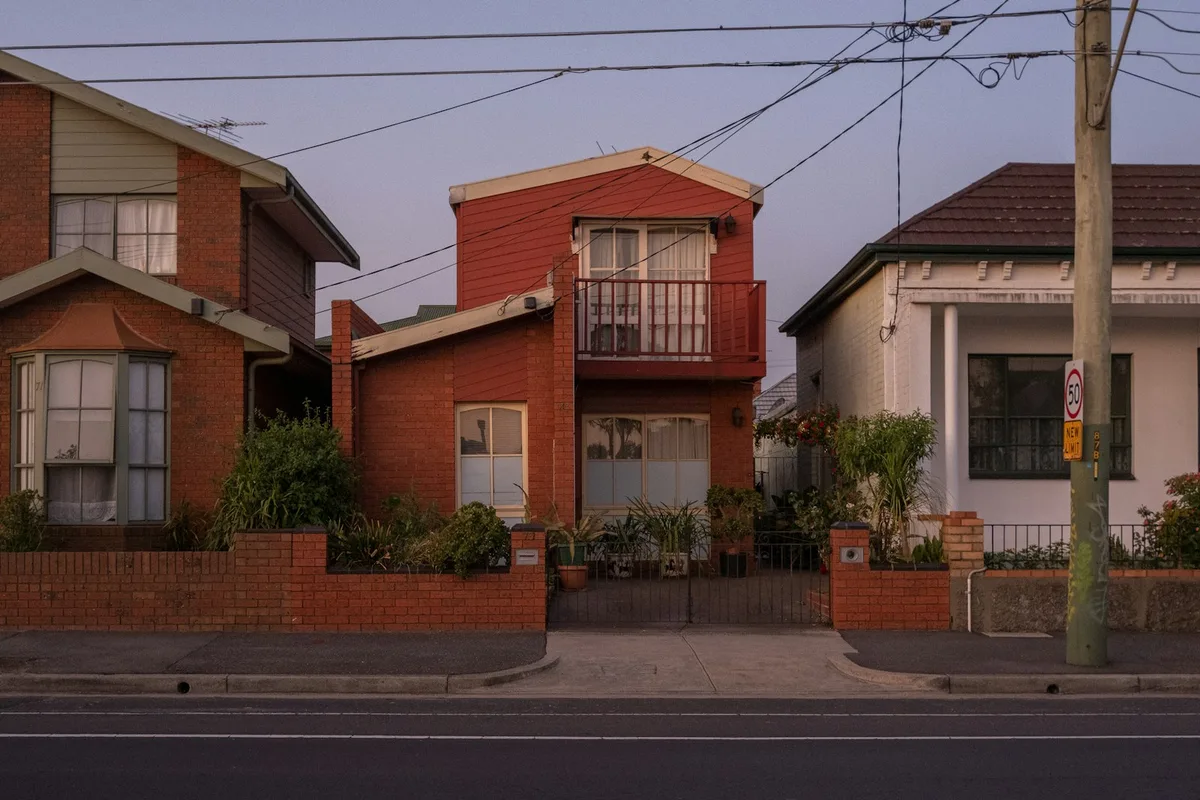
Understanding Rising Home Insurance Premiums in Australia
Why Australian home insurance premiums are rising sharply in 2026. Understand the climate, reinsurance, and regional factors driving higher costs.
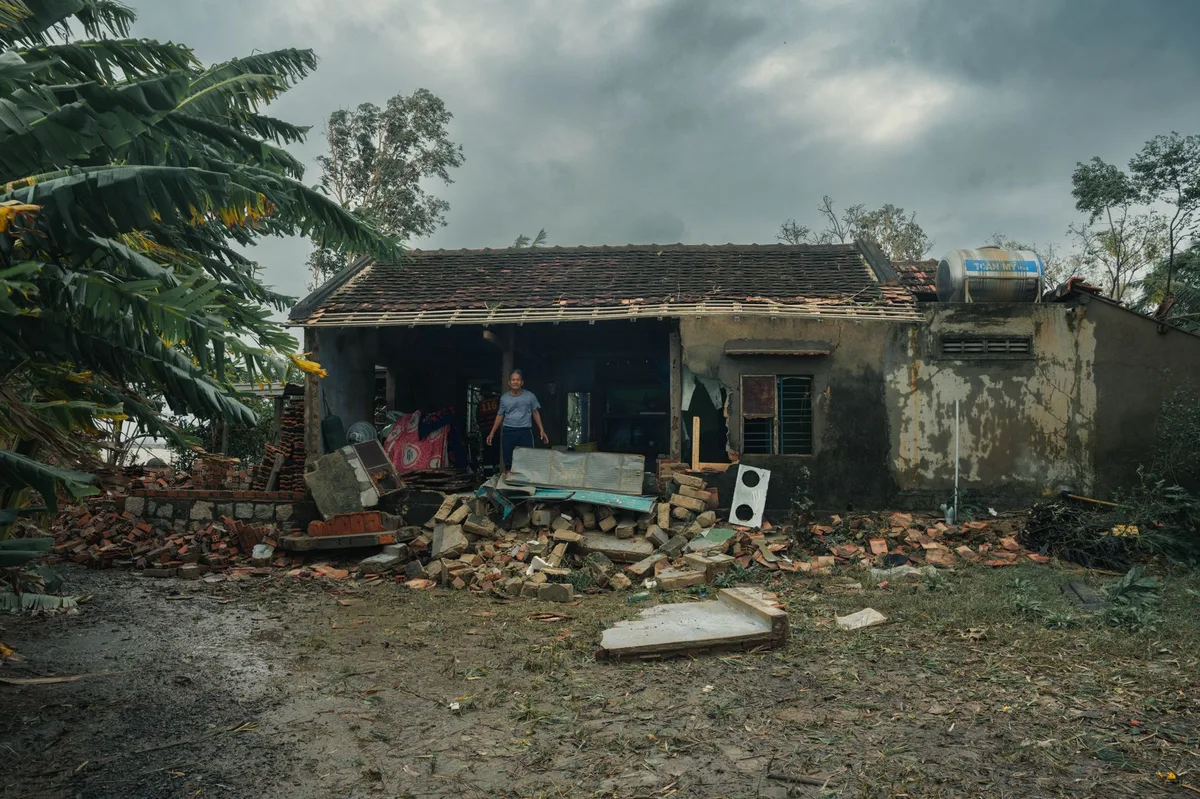
How the Cyclone Reinsurance Pool Cuts Premiums in Australia
The ACCC confirms Australia's cyclone reinsurance pool has reduced home insurance premiums in high-risk northern areas. Learn how it works.

Bushfire Season Cover: Underinsurance and What to Check Now in Australia
Check if your home insurance covers bushfire damage and whether you're underinsured. Essential steps to review before bushfire season in Australia.
