How the Cyclone Reinsurance Pool Cuts Premiums in Australia
The ACCC has found that Australia's cyclone reinsurance pool has successfully reduced home insurance premiums in high-risk areas across northern Australia.
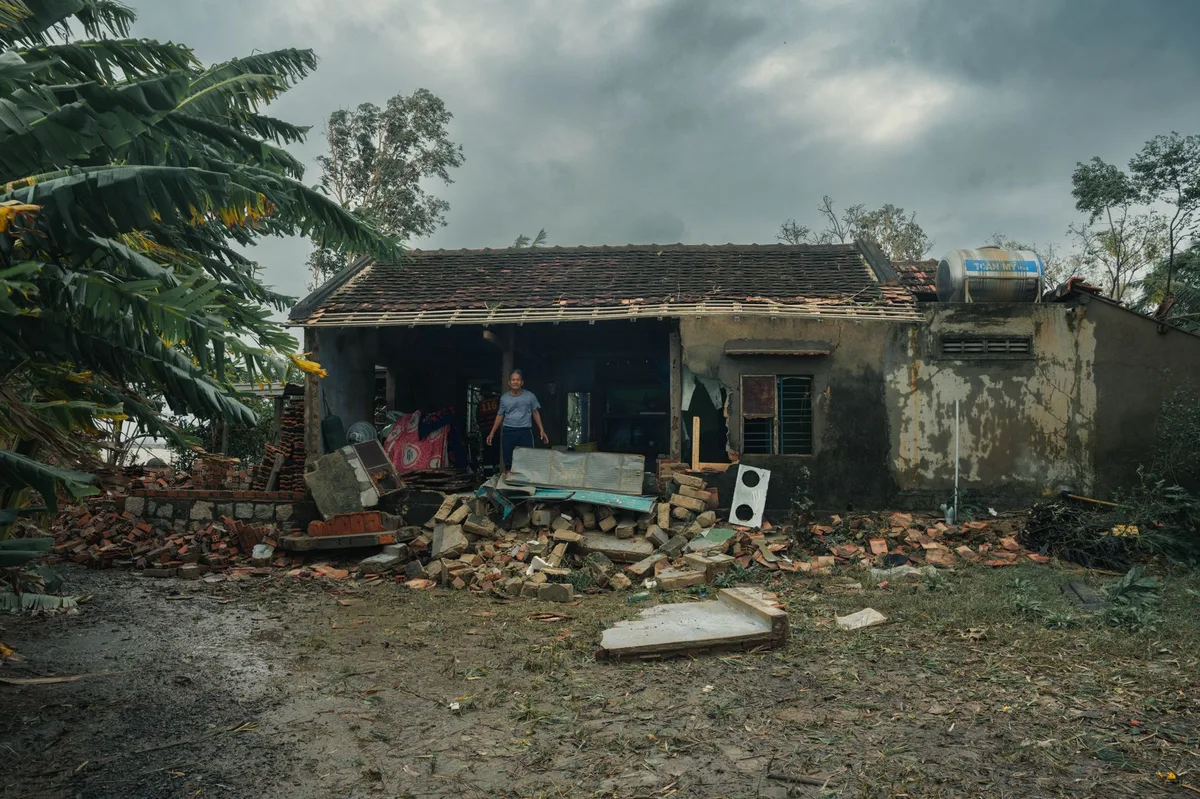
Pexels - Long Bà Mùi · original
In this article
Key Takeaway
The Australian Competition and Consumer Commission (ACCC) has confirmed that the Cyclone Reinsurance Pool has delivered measurable premium reductions for homeowners in cyclone-prone regions across northern Australia. The pool, which commenced operations in July 2022, spreads catastrophic cyclone risk across insurers and is backed by the Australian Government, making cover more affordable and accessible in high-risk areas including Queensland, the Northern Territory and Western Australia.
What the ACCC Found About Cyclone Pool Premiums
According to the ACCC, home insurance premiums in cyclone-exposed areas have fallen since the Cyclone Reinsurance Pool began operations (ACCC, 2026). The regulator’s analysis shows that homeowners in high-risk postcodes, who previously faced premiums exceeding A$5,000 to A$10,000 annually for basic home and contents cover, have seen reductions ranging from 15 per cent to over 30 per cent in some cases. The ACCC noted that the pool has improved both affordability and availability, with insurers now willing to offer cover in areas they previously considered too risky.
The findings validate the pool’s core objective: to stabilise premiums in regions where cyclone risk had made insurance prohibitively expensive or entirely unavailable. The ACCC continues to monitor insurer pricing behaviour to ensure the pool’s benefits reach consumers rather than being retained as additional profit margins.
How the Cyclone Reinsurance Pool Works
The Cyclone Reinsurance Pool is a government-backed reinsurance scheme that allows insurers to transfer a portion of their cyclone-related claims risk to the pool. Reinsurance is insurance for insurers, a fundamental risk management mechanism covered in foundational texts such as Principles of Finance. When an insurer writes a home insurance policy in a cyclone-prone area, it can cede some of that exposure to the pool in exchange for a premium.
The pool is administered by the Australian Reinsurance Pool Corporation (ARPC), the same body that manages the terrorism reinsurance pool. The Australian Government provides an unlimited guarantee backing the pool, which means that in the event of a catastrophic cyclone season, the Commonwealth stands behind the claims. This government support lowers the cost of reinsurance for insurers, which in turn allows them to charge lower premiums to homeowners.
The pool covers cyclone and cyclone-related damage including wind, storm surge, flooding caused by a cyclone, and rainfall associated with a cyclone. It applies to home insurance, strata insurance, contents insurance, and small business property insurance across eligible postcodes in Queensland, the Northern Territory, Western Australia and parts of New South Wales.
Why Premiums Were High Before the Pool
Before the pool’s introduction, insurers bore the full cost of cyclone risk themselves or purchased reinsurance on the global market at commercial rates. Catastrophic cyclone events, such as Tropical Cyclone Yasi (2011) and Cyclone Debbie (2017), resulted in billions of dollars in insured losses, driving reinsurance costs upward. Global reinsurers increased their pricing for Australian cyclone exposure, and those costs flowed directly through to homeowners in affected regions.
In some high-risk areas, insurers withdrew entirely, leaving residents unable to obtain cover at any price. The Insurance Council of Australia reported that affordability and availability of cover in northern Australia had reached crisis levels by 2021, prompting the Australian Government to intervene with the reinsurance pool solution.
The Impact on High-Risk Areas
The ACCC findings show the pool has had the greatest impact in the highest-risk postcodes. Homeowners in parts of north Queensland, including Townsville, Cairns and coastal communities, have benefited from significant premium reductions. Similarly, residents in Darwin and the Northern Territory, Broome and the Kimberley region in Western Australia, and cyclone-exposed areas of New South Wales have seen improvements in both pricing and insurer willingness to offer cover.
Read also: Why Australian Home Insurance Premiums Have Climbed 51% in Five Years
The pool does not eliminate cyclone risk, and premiums in these areas remain higher than in low-risk regions, reflecting the genuine exposure to cyclone damage. However, the gap has narrowed, and cover is now within reach for households who were previously forced to self-insure or go without home insurance altogether.
What This Means for Homeowners
If you own a home or investment property in a cyclone-prone area, the pool’s impact on your premium depends on your insurer’s participation and your specific location. Most major insurers have joined the pool and passed on at least some of the savings to policyholders. When renewing your policy or comparing quotes, confirm that your insurer is participating in the Cyclone Reinsurance Pool and ask how it affects your premium.
Check your Product Disclosure Statement (PDS) to understand what cyclone-related damage is covered and what excesses apply. The pool covers cyclone damage, but your policy terms, excess amounts, and sum insured still matter. If your area qualifies for pool coverage, you should expect your premium to be lower than it would have been without the pool, though the exact reduction varies by insurer, location, and the characteristics of your property.
Compare quotes annually, as insurers price cyclone risk differently even with pool access. Read the PDS carefully and confirm with a licensed insurance adviser whether your cover is adequate for your property’s replacement value and contents, as underinsurance remains a common issue in cyclone-prone regions.
Conclusion
The ACCC’s findings confirm that the Cyclone Reinsurance Pool has achieved its intended purpose of reducing home insurance premiums in high-risk areas across northern Australia. The pool has improved affordability, restored availability of cover, and provided relief to homeowners who faced unsustainable premium increases before its introduction. While cyclone risk and its associated costs will not disappear, the pool represents a meaningful intervention that spreads catastrophic risk more equitably and keeps insurance accessible for those who need it most.
General Advice Warning: This article provides general information only and does not take into account your objectives, financial situation or needs. Before acting on this information, consider whether it is appropriate for you and read the relevant Product Disclosure Statement (PDS). You should consider obtaining personal advice from a licensed insurance adviser regarding your individual circumstances. Coverage, premiums and availability vary by insurer, location and property characteristics. Always confirm current terms with your insurer or a licensed adviser before making a decision.
Sources
- Australian Competition and Consumer Commission (accessed )
- ACCC Consumer Protection (accessed )
- Insurance Council of Australia (accessed )
- Australian Government (accessed )
- Principles of Finance (accessed )
Related articles
How the Cyclone Reinsurance Pool Affects Home Insurance Premiums in Australia
The Cyclone Reinsurance Pool caps reinsurance costs for insurers in cyclone-prone regions. Discover how the scheme affects home and strata insurance premiums across northern Australia.
Understanding the Cyclone Reinsurance Pool and Premium Relief in Australia
The Australian Cyclone Reinsurance Pool has reduced premiums in cyclone-prone areas, but affordability pressures persist for many northern households.

Home Insurance Premiums Spike by $700 in Northern Australia
Home insurance premiums in North Queensland have risen by $700 on average. Learn why premiums spiked and what homeowners can do to manage costs.
