Home Insurance Premiums Spike by $700 in Northern Australia
Home insurance premiums in North Queensland have jumped by an average of $700 annually, driven by cyclone risk and rising reinsurance costs.

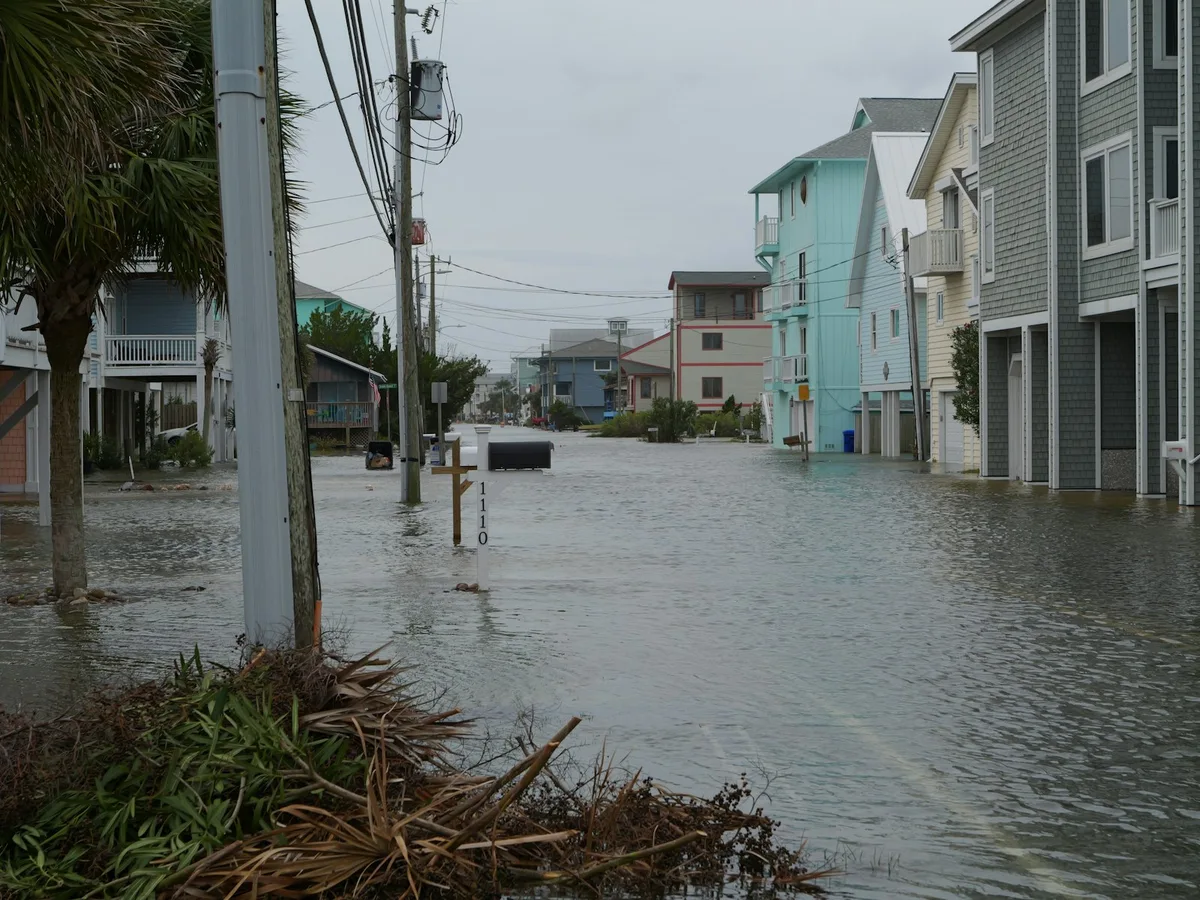
Pexels - AlphaTradeZone · original
Home insurance premiums in North Queensland have surged by an average of A$700 annually, with some homeowners facing increases exceeding A$1,000. The spike affects properties from Townsville to Cairns and reflects mounting cyclone risk, elevated claims from recent severe weather events, and sharply higher reinsurance costs that insurers pay to manage catastrophic exposure. Homeowners in the region should compare quotes now, review their cover level and excess, and check whether they qualify for government-backed cyclone reinsurance assistance.
Why North Queensland Premiums Jumped
North Queensland sits in Australia’s cyclone belt, and insurers price cover to reflect the genuine risk of wind damage, storm surge, and flooding. Over the past three years the region has experienced two severe cyclones and multiple flood events, driving claims that insurers must pay out. When claims increase, insurers adjust premiums upward to restore financial reserves and meet solvency requirements set by the Australian Prudential Regulation Authority (APRA).
Reinsurance (the insurance that insurers buy to protect themselves against catastrophic losses) has also become significantly more expensive globally. International reinsurers have raised rates for cyclone-prone regions across Australia, and those costs flow directly to homeowners through higher premiums. According to the Insurance Council of Australia, reinsurance accounts for a substantial portion of the premium in high-risk areas, and recent market conditions have pushed those costs to record levels (Insurance Council of Australia, 2026).
Climate trends are also contributing: more intense weather systems and increased rainfall variability make historical risk models less predictive, prompting insurers to adopt more conservative pricing and higher capital buffers, fundamentals covered in texts such as Introduction to Business (OpenStax, Rice University).
What Homeowners Can Do
If your premium has spiked, do not simply renew. Shop around: premiums vary widely between insurers even for identical cover in the same postcode. Use comparison tools or contact multiple insurers directly, and request quotes that match your current sum insured and excess so you can compare like with like.
Review your sum insured and rebuild cost estimate. Overinsuring wastes money, while underinsuring leaves you exposed. Consider a higher excess if you can afford the out-of-pocket cost in the event of a claim: a higher excess typically reduces the annual premium.
Read also: Understanding the Cyclone Reinsurance Pool and Premium Relief in Australia
Check whether your insurer participates in the Australian Reinsurance Pool Corporation (ARPC) Cyclone Reinsurance Pool, a government-backed scheme launched to reduce premiums in cyclone-prone regions by capping the reinsurance cost insurers pay for cyclone risk. Some homeowners have seen modest premium reductions under the scheme, though the relief varies by insurer and property (ASIC MoneySmart, 2026).
Ask about discounts for risk-mitigation measures: homes with cyclone-rated roller shutters, reinforced roofing, or elevated foundations may qualify for lower premiums. Document any improvements and provide evidence to your insurer.
Finally, read the Product Disclosure Statement (PDS) carefully before switching policies. Confirm that cyclone and flood cover are included (they are often separate or optional in some policies), understand the exclusions, and verify the excess for cyclone claims, which can be higher than the standard excess.
General Advice Warning
This article provides general information only and does not take into account your objectives, financial situation, or needs. Before acting on it, consider whether home insurance is appropriate for you, read the relevant Product Disclosure Statement (PDS) and Target Market Determination (TMD), and consider obtaining personal advice from a licensed insurance adviser. Cover, exclusions, premiums, and availability vary by insurer, property location, and risk profile. Always verify current terms with a licensed adviser or directly with the insurer for your personal circumstances.
Sources
- Insurance Council of Australia Consumer Resources (accessed )
- MoneySmart Insurance Guide (accessed )
- APRA Insurance Regulation (accessed )
- Introduction to Business (accessed )
Related articles
Understanding the Cyclone Reinsurance Pool and Premium Relief in Australia
The Australian Cyclone Reinsurance Pool has reduced premiums in cyclone-prone areas, but affordability pressures persist for many northern households.

How the Cyclone Reinsurance Pool Cuts Premiums in Australia
The ACCC confirms Australia's cyclone reinsurance pool has reduced home insurance premiums in high-risk northern areas. Learn how it works.

Will Below-Average Cyclone Forecasts Lower Home Insurance Premiums in Australia?
Below-average cyclone forecasts rarely lower Australian home insurance premiums immediately. Insurers price on long-term risk models, not seasonal predictions.
