Will Below-Average Cyclone Forecasts Lower Home Insurance Premiums in Australia?
Quieter cyclone season predictions rarely translate to immediate premium reductions, as insurers price risk using long-term models, historical claims data, and reinsurance costs rather than short-term forecasts.
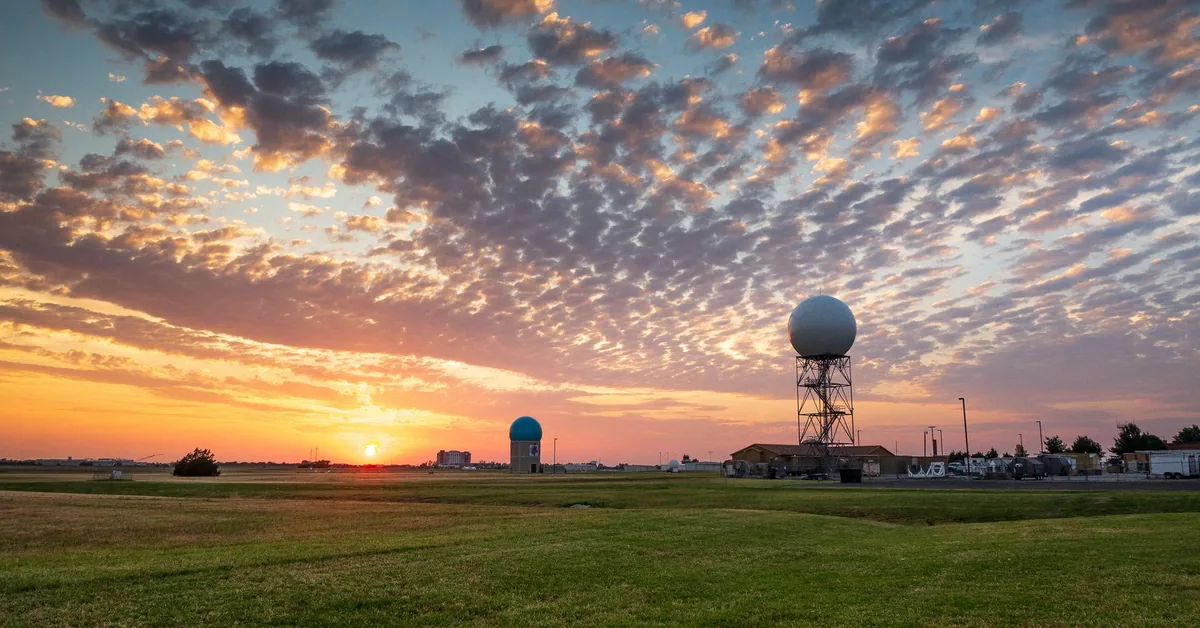
Pexels - Raychel Sanner · original
In this article
The Bottom Line
Below-average cyclone season forecasts typically do not lead to immediate home insurance premium reductions in Australia. Insurers price home cover in cyclone-prone regions (Queensland, Northern Territory, and Western Australia) using long-term catastrophe risk models, decades of historical claims data, and reinsurance costs, not short-term seasonal predictions. A single quieter season forecast has minimal impact on premium calculations, which reflect the long-term probability of severe weather events across multiple years.
How Insurers Price Cyclone Risk
Australian home insurers in cyclone-prone regions build premiums around actuarial models that analyse historical cyclone frequency, intensity, and damage patterns over 20 to 50 years or more. These models incorporate geographic location, building construction standards, proximity to the coast, and elevation, not predictions for the coming season.
The cost of reinsurance (the cover insurers purchase to protect themselves against large-scale losses) plays a significant role in premium setting. Reinsurers set their prices based on long-term risk assessments and global catastrophe exposure, not on a single season’s forecast. According to the Insurance Council of Australia, reinsurance costs are a major driver of premiums in high-risk areas, and these costs reflect multi-year risk horizons rather than short-term weather predictions (Insurance Council of Australia, 2026).
Seasonal Forecasts vs Long-Term Risk
The Bureau of Meteorology and international forecasting agencies issue seasonal cyclone outlooks, but these predictions carry uncertainty and do not override the long-term statistical risk profile of a location. A below-average forecast for one season does not change the underlying risk that a property in Cairns, Darwin, or Broome faces over the life of the policy or the insurer’s book.
Insurers adjust premiums in response to sustained trends (such as a series of severe seasons, changes in building codes, or new flood mapping data) rather than a single forecast. A quieter-than-expected season may influence future risk assessments if it becomes part of a longer-term pattern, but the effect is gradual and appears across policy renewals over multiple years, not immediately.
What Actually Drives Premium Changes
Premium reductions in cyclone-prone areas typically result from:
- Improved building standards and cyclone-resistant construction (such as post-Cyclone Tracy building codes in the Northern Territory)
- Government-backed reinsurance schemes or premium relief programs (such as proposals for cyclone reinsurance pools)
- Multi-year periods without major claims, leading to gradual risk repricing
- Increased competition among insurers entering or expanding in a market
Read also: Australian Homeowners Drop Coverage as Natural Disaster Insurance Costs Rise
Conversely, premiums rise when insurers experience large claims from severe weather events, when reinsurance costs increase globally, or when climate risk modelling projects higher future cyclone intensity.
Regulatory Oversight and Consumer Protections
The Australian Prudential Regulation Authority (APRA) oversees insurers’ financial stability and risk management practices, ensuring premiums reflect sound actuarial principles. The Australian Securities and Investments Commission (ASIC) requires insurers to provide clear Product Disclosure Statements (PDS) explaining how premiums are calculated (ASIC MoneySmart, 2026).
If you live in a cyclone-prone region, review your home insurance PDS to understand the specific factors that influence your premium. You can reduce your premium by increasing your excess, improving your property’s cyclone resilience (such as installing cyclone shutters or reinforcing roof tie-downs), or comparing quotes from multiple insurers.
What to Do Next
If you hold home insurance in a cyclone-prone area, confirm your sum insured is adequate to rebuild at current construction costs, check whether your policy includes flood cover (often excluded or offered separately), and verify your excess. Read your PDS and the Target Market Determination (TMD) before renewing. For personalised advice on cover options and premium management, consult a licensed insurance adviser or broker who understands cyclone risk in your region.
General Advice Warning: This information is general only and does not take into account your objectives, financial situation, or needs. Before acting on it, consider whether it is appropriate for you and read the relevant Product Disclosure Statement (PDS). Consider obtaining personal advice from a licensed insurance adviser.
Sources
- Insurance (accessed )
- Consumer Resources (accessed )
- Australia Government Services (accessed )
Related articles
Australian Homeowners Drop Coverage as Natural Disaster Insurance Costs Rise
Australian homeowners in high-risk areas are dropping home insurance as premiums surge. Understand the risks and what's being done to improve affordability.
Cyclone Season Approaching November 1: Reviewing Your Home and Contents Cover in Australia
Review your home and contents insurance before cyclone season starts November 1. Check flood cover, sum insured, and exclusions now.

Home Insurance Premiums Continue to Rise in Australia's Northern Territory
NT home insurance premiums continue rising in Australia due to cyclone risk, flooding, and reinsurance costs. Learn what's driving increases and your options.
