Australian Homeowners Drop Coverage as Natural Disaster Insurance Costs Rise
Rising premiums in cyclone and flood-prone areas are forcing Australian homeowners to reduce cover or go uninsured, leaving many exposed to catastrophic losses.
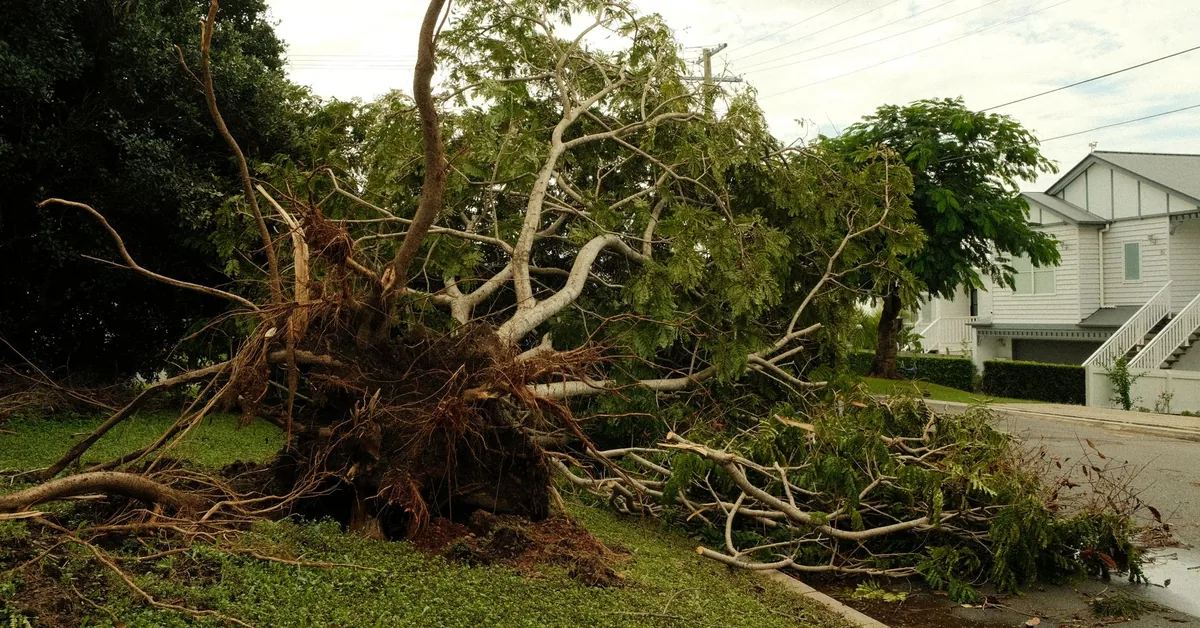
Pexels - April Yang · original
In this article
Key Takeaway
Soaring home insurance premiums in cyclone, flood and bushfire-prone regions across northern Australia and parts of the east coast are forcing thousands of homeowners to reduce their cover, increase their excess, or drop insurance altogether. Those who go uninsured or underinsured face catastrophic financial losses if disaster strikes, and may also breach their mortgage conditions. The federal government’s Cyclone Reinsurance Pool aims to lower premiums in high-risk areas, but affordability pressures remain severe for many households.
Why Premiums Are Rising
Home insurance premiums in high-risk areas have climbed sharply over the past decade, driven by more frequent and severe natural disasters, higher rebuild costs, and reinsurance price increases. According to the Insurance Council of Australia, properties in northern Queensland, parts of the Northern Territory and flood-prone zones along the east coast have seen premium rises well above the national average (Insurance Council of Australia, 2026).
Insurers price cover based on the likelihood and cost of claims. When cyclones, floods and bushfires become more common or more severe, the risk pool shrinks and premiums rise. Reinsurers (the companies that insure insurers) have also increased their rates, passing costs down to homeowners.
The Consequence: Reduced Cover and Non-Insurance
Faced with unaffordable premiums, many homeowners are choosing to:
- Drop buildings insurance entirely and retain only contents cover (or vice versa)
- Opt for the highest available excess to lower the premium, leaving them exposed to larger out-of-pocket costs in a claim
- Reduce their sum insured below the true rebuild cost, creating underinsurance that may leave them short if the home is destroyed
- Cancel their policy altogether and self-insure
ASIC’s MoneySmart service warns that going without home insurance is a significant financial risk: a total loss from a cyclone or bushfire can run into hundreds of thousands of dollars, and most households cannot absorb that cost (MoneySmart, 2026). Homeowners with a mortgage are typically required by their lender to maintain buildings insurance, so dropping cover may also breach the loan contract.
What the Government Is Doing
In response to the affordability crisis, the federal government established the Cyclone Reinsurance Pool (administered by the Australian Reinsurance Pool Corporation, ARPC) to reduce reinsurance costs for insurers covering cyclone and related flood risk in northern Australia. The scheme aims to lower premiums for eligible properties by sharing the catastrophe risk across a government-backed pool.
Read also: Cyclone Season 2027: Your Essential Insurance Coverage Review Guide
Early reports suggest premium reductions in some high-risk postcodes, but the benefit varies by insurer, property type and location. The pool does not cover all natural disasters (bushfire risk, for example, is excluded), and affordability challenges persist in many flood and fire-prone areas not covered by the scheme (Australian Government, 2026).
What Homeowners Should Do
If your premium has become unaffordable:
- Shop around: premiums vary significantly between insurers for the same property. Compare at least three quotes and check whether your insurer participates in the Cyclone Reinsurance Pool.
- Review your cover: ensure your sum insured reflects the current rebuild cost (underinsurance can leave you drastically short in a total loss), but check whether you can adjust your excess or remove optional add-ons to reduce the premium.
- Read the PDS: confirm what perils are covered and excluded, particularly for flood and storm damage, which are defined differently across policies.
- Seek advice: a licensed insurance broker can help you find competitive cover and structure your policy to balance cost and protection.
Do not simply cancel your policy without understanding the financial and legal consequences. Going uninsured in a high-risk area is a gamble that can result in financial ruin.
General Advice Warning: This article provides general information only and does not take into account your objectives, financial situation or needs. Before acting on this information, consider whether it is appropriate for you and read the relevant Product Disclosure Statement (PDS). Consider obtaining personal advice from a licensed insurance adviser or financial adviser regarding your individual circumstances. Home insurance is a Your Money or Your Life product; make decisions carefully and seek professional guidance where needed.
Sources
- Insurance - MoneySmart (accessed )
- Consumer Resources (accessed )
- Australian Government Services (accessed )
Related articles

Home Insurance Affordability Crisis in Australia: Why Premiums Are Jumping 50% in High-Risk Areas
Home insurance premiums in high-risk Australian areas have jumped up to 50%, driving policy abandonment. What's causing the crisis and what are your options?
Why Home Insurance Premiums Are Surging in Australia
Why a Brisbane owner faces $70,000 premiums and what's driving Australia's home insurance crisis. Climate risk, flood exposure, and reinsurance explained.
Cyclone Season Approaching November 1: Reviewing Your Home and Contents Cover in Australia
Review your home and contents insurance before cyclone season starts November 1. Check flood cover, sum insured, and exclusions now.
