Home Insurance Premiums Continue to Rise in Australia's Northern Territory
Northern Territory homeowners face ongoing home insurance premium rises driven by escalating natural disaster risks, reinsurance costs, and climate-related claims.

Pexels - Alex Andrews · original
In this article
Key Takeaway
Home insurance premiums in the Northern Territory continue to rise due to the region’s high exposure to cyclones, flooding, and other natural disasters, combined with escalating reinsurance costs passed on to policyholders. Some homeowners have seen premiums double or triple over recent years, with no clear end in sight. The increases reflect genuine risk, insurers pulling out of high-risk areas, and the rising cost of rebuilding after major weather events, leaving many residents struggling to afford adequate cover or facing severe underinsurance.
Why NT Home Insurance Premiums Keep Rising
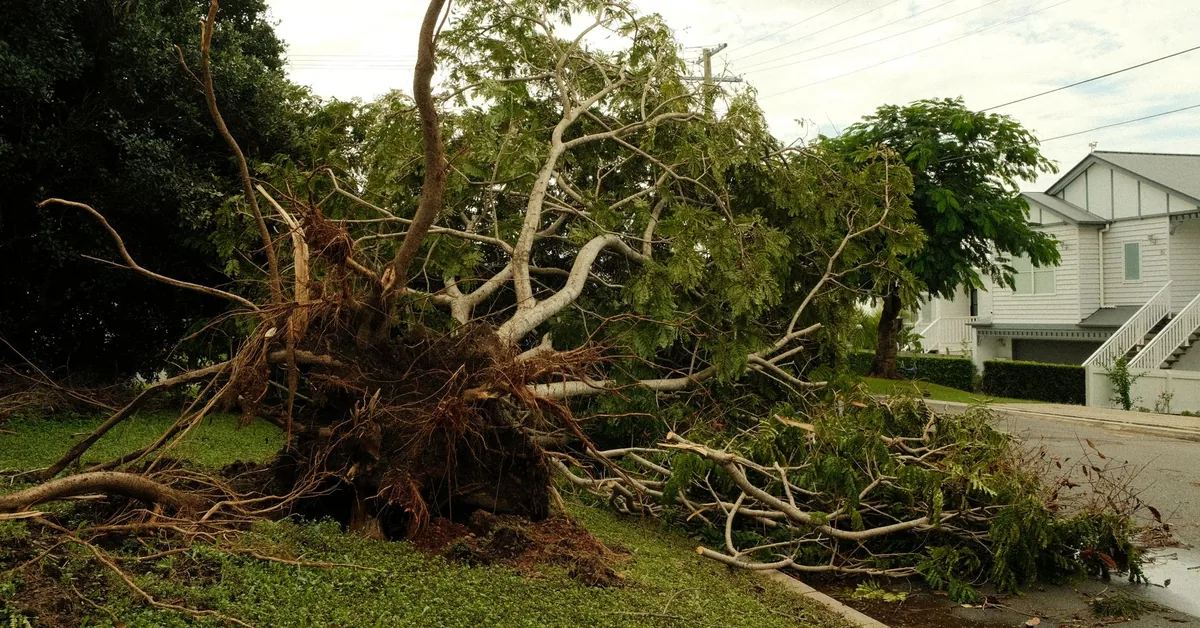
The Northern Territory faces unique insurance challenges compared to the rest of Australia. Its tropical climate brings severe cyclones, monsoonal flooding, and storm surges, all of which produce large-scale property damage and claims. According to the Insurance Council of Australia, northern Australia experiences some of the highest natural disaster risks in the nation, and insurers price policies specifically to reflect that exposure (Insurance Council of Australia, 2026).
When insurers pay out large claims after cyclones or floods, they must replenish their reserves by purchasing reinsurance, which is insurance for insurance companies. Global reinsurance costs have climbed sharply in recent years as climate-related disasters increase worldwide. Insurers operating in high-risk areas like the Northern Territory face higher reinsurance premiums, and those costs flow directly to homeowners through premium rises.
Furthermore, some insurers have withdrawn from the Northern Territory market entirely or limited new policies in cyclone-prone postcodes. This reduction in competition leaves remaining providers with less incentive to lower premiums, compounding the affordability crisis for local residents.
The Scale of Premium Increases
Premium rises vary by location, property age, construction type, and coverage level, but many Northern Territory homeowners report increases of 20 to 50 per cent year on year. In extreme cases, premiums for older homes in cyclone zones have doubled or tripled within a few years. A home insured for A$300,000 that once cost A$2,000 per year to cover might now cost A$4,000 to A$6,000 or more, with some properties considered virtually uninsurable at any price.
The rises affect building insurance more than contents. Rebuilding costs after cyclone damage are exceptionally high, and building materials and labour costs in remote areas of the Northern Territory add further expense. Excess amounts, which is the amount you pay out of pocket before the insurer covers a claim, have also climbed. Cyclone excesses are often set at 2 to 5 per cent of the sum insured, meaning a A$400,000 home could carry a A$10,000 to A$20,000 cyclone excess on top of the base excess.
What NT Homeowners Can Do
While you cannot change the underlying risk of your location, you can take steps to manage your premium and protect your financial position:
Compare quotes annually. Premiums vary significantly between insurers. Use comparison sites and contact multiple providers directly. Even a 10 per cent saving makes a difference when premiums are high.
Increase your voluntary excess. Accepting a higher voluntary excess reduces your premium. This strategy works best if you have savings set aside to cover the excess in the event of a claim.
Review your sum insured. Make sure you are insured for the correct rebuild cost, not the market value. Underinsurance leaves you exposed, but overinsuring wastes premium. The Product Disclosure Statement (PDS) explains how the sum insured is calculated, and many insurers offer rebuild cost calculators.
Improve resilience. Some insurers offer premium discounts for cyclone-rated construction features such as tie-down straps, impact-resistant windows, and concrete slab foundations. Check with your insurer whether retrofitting or documenting existing features could reduce your premium.
Check for government assistance. The Australian Government has funded cyclone reinsurance pool schemes in the past to lower premiums in high-risk areas. Contact the Insurance Council of Australia or check australia.gov.au for current programs.
Lodge a complaint if you believe your premium is unfair. If your insurer cannot explain the increase, or if you believe the premium or terms are unreasonable, contact the Australian Financial Complaints Authority (AFCA) (AFCA, 2026). AFCA resolves disputes between consumers and insurers at no cost to you.
What This Means for NT Homeowners
Rising home insurance premiums in the Northern Territory reflect genuine risk, but they create real financial hardship for residents who have no choice but to live in high-risk areas. The problem will not resolve quickly, underscoring the need for long-term solutions such as improved building standards, government-backed reinsurance schemes, and better land-use planning to reduce future disaster exposure.
Your immediate next step should be to check your current policy’s Product Disclosure Statement (PDS) and Target Market Determination (TMD) carefully before your next renewal. Use a reputable rebuild cost calculator to confirm that your sum insured is accurate so you do not risk severe underinsurance if a cyclone or flood damages your home. If you are contemplating going without cover due to cost, consider consulting a licensed insurance adviser to explore more affordable ways to structure your policy.
General advice warning: This article provides general information only and does not take into account your objectives, financial situation, or needs. Before acting on this information, consider whether it is appropriate for you, read the relevant Product Disclosure Statement (PDS), and consider obtaining personal advice from a licensed insurance adviser. Premium increases, cover terms, and availability vary by insurer, property, and location. Verify current terms in the PDS or with a licensed adviser before deciding.
Sources
- Insurance and financial hardship (accessed )
- Consumer Resources (accessed )
- Make a complaint (accessed )
Related articles

Home Insurance Affordability Crisis in Australia: Why Premiums Are Jumping 50% in High-Risk Areas
Home insurance premiums in high-risk Australian areas have jumped up to 50%, driving policy abandonment. What's causing the crisis and what are your options?
Australian Homeowners Drop Coverage as Natural Disaster Insurance Costs Rise
Australian homeowners in high-risk areas are dropping home insurance as premiums surge. Understand the risks and what's being done to improve affordability.
Cyclone Season Approaching November 1: Reviewing Your Home and Contents Cover in Australia
Review your home and contents insurance before cyclone season starts November 1. Check flood cover, sum insured, and exclusions now.
