Understanding the Cyclone Reinsurance Pool and Premium Relief in Australia
The Australian Cyclone Reinsurance Pool has delivered premium cuts in high-risk northern regions, but ongoing affordability challenges mean many households still struggle with insurance costs.
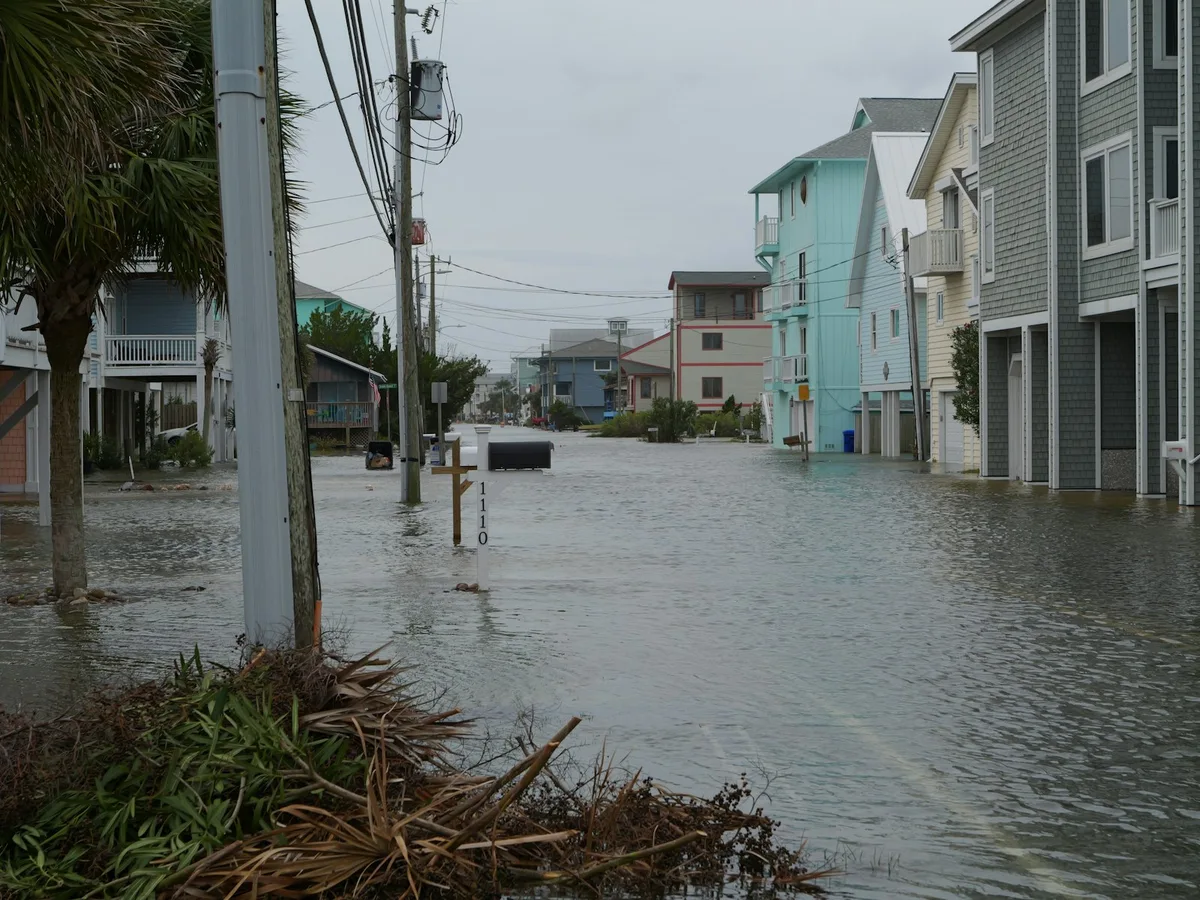
Unsplash - Richard R · original
In this article
Key Takeaway
The Australian Government’s Cyclone Reinsurance Pool, managed by the Australian Reinsurance Pool Corporation (ARPC), has delivered premium reductions averaging 30 to 50 per cent for households in cyclone-prone regions of northern Australia since its launch in mid-2022. While the pool has made home and strata insurance more accessible in Queensland, the Northern Territory and Western Australia, affordability pressures remain significant for many households due to rising underlying risks, construction costs and climate-related claims trends.
What Is the Cyclone Reinsurance Pool?
The Cyclone Reinsurance Pool is a government-backed scheme designed to reduce home, contents and strata insurance premiums in cyclone-prone areas of northern Australia. Established in July 2022 and administered by the Australian Reinsurance Pool Corporation (ARPC), the pool acts as a reinsurer for insurers, absorbing a portion of the catastrophic cyclone risk that previously made northern coverage prohibitively expensive.
Before the pool’s introduction, insurers operating in high-risk cyclone regions faced steep reinsurance costs, which they passed on to policyholders through elevated premiums. According to the Insurance Council of Australia, some households in Far North Queensland and the Northern Territory saw annual premiums exceeding A$10,000 for combined home and contents cover, pricing many residents out of the market entirely (Insurance Council of Australia, 2026).
The pool changes this dynamic by offering insurers access to government-backed reinsurance at a lower cost than the private reinsurance market. Insurers purchase cyclone cover from the pool for eligible properties, and the savings are required to be passed through to policyholders. The scheme is available for residential properties, strata schemes and small businesses across declared cyclone-prone areas in Queensland, the Northern Territory, Western Australia and parts of New South Wales.
How the Pool Works and Why It Matters
Reinsurance is a mechanism by which insurers transfer portions of their risk to another entity. As covered in foundational finance texts such as Principles of Finance, risk pooling and transfer are essential tools for managing catastrophic exposure (OpenStax, 2022). In the cyclone context, private reinsurers historically charged high premiums due to the concentrated, high-severity nature of tropical cyclone events.
The Cyclone Reinsurance Pool effectively steps in as a lower-cost reinsurer, backed by a government guarantee of up to A$10 billion. Insurers pay a premium to the pool based on their cyclone exposure, and in return, the pool covers cyclone-related claims above the insurer’s retention level. This structure reduces the insurer’s cost of capital and, by regulation, requires them to flow those savings to customers.
For policyholders, this means measurably lower premiums. Data from the Australian Government indicates that eligible households have seen average premium reductions between 30 and 50 per cent since the pool’s commencement, with some properties experiencing even steeper drops (Australian Government, 2026). The pool covers cyclone damage to buildings and contents, including wind, storm surge and cyclone-related flooding.
Premium Relief vs. Ongoing Affordability Pressures
While the pool has delivered tangible premium cuts, affordability challenges persist for several reasons.
First, the pool addresses only one component of the premium: the cost of cyclone-specific reinsurance. Other cost drivers remain outside its scope, including general claims inflation, rising construction and labour costs, and non-cyclone perils such as fire, theft and flood from other weather events. In northern markets where building materials and tradespeople are scarce, sum insured values and repair costs continue to climb, keeping base premiums elevated even after cyclone discounts apply.
Second, climate trends are reshaping the underlying risk profile. Increased frequency and severity of extreme weather events, coastal erosion and changing rainfall patterns mean insurers are reassessing their exposure and pricing models. While the pool absorbs cyclone risk, insurers still bear the cost of other climate-related claims, and these are reflected in overall premium structures.
Third, not all properties qualify for the pool’s benefit. Cover is limited to residential buildings, strata schemes and small businesses in designated cyclone zones. Larger commercial properties, properties outside declared zones and certain high-value homes may fall outside eligibility criteria, leaving those policyholders to face the full weight of private reinsurance costs.
Read also: How the Cyclone Reinsurance Pool Cuts Premiums in Australia
Fourth, the pool does not eliminate excess (deductible) amounts or exclusions. Policyholders still face potentially high excesses on cyclone claims, and certain types of damage may be excluded or require separate flood cover. According to ASIC MoneySmart, it remains essential for households to read the Product Disclosure Statement (PDS) and understand what is and is not covered under their policy, including excess structures and sub-limits (ASIC MoneySmart, 2026).
What This Means for Households in Cyclone-Prone Areas
For residents in northern Australia, the Cyclone Reinsurance Pool represents a meaningful step toward more affordable and accessible home insurance. Premium savings of 30 to 50 per cent can make the difference between maintaining cover and going uninsured, particularly for retirees, low-income households and landlords managing rental portfolios in regional areas.
However, affordability is relative. A 50 per cent discount on a A$8,000 annual premium still leaves a A$4,000 bill, which remains a significant household expense. Policyholders should compare quotes across insurers, as the pool’s benefit varies depending on each insurer’s reinsurance arrangements and pricing models. Some insurers may pass through larger savings than others.
Households should also ensure they are not underinsured. The temptation to reduce sum insured values or drop contents cover to lower premiums can backfire in the event of a major cyclone. The pool makes cover more affordable, but it does not reduce the actual cost of rebuilding or replacing belongings after a loss. Use an underinsurance checklist or calculator to confirm your sum insured reflects current replacement costs, and review your cover annually as building costs change.
For properties in flood-prone areas, confirm whether your policy includes flood cover and whether cyclone-related flooding is explicitly covered under the pool arrangements. Flood definitions and coverage vary between insurers, and confusion over what is covered has been a common source of claim disputes.
Next Steps and Staying Informed
If you own or rent a property in a cyclone-prone region, check with your insurer whether your policy benefits from the Cyclone Reinsurance Pool and by how much. Compare quotes from multiple insurers, as savings and coverage terms differ. Review your PDS to understand your excess, exclusions and sub-limits for cyclone and flood damage, and consider whether your sum insured and contents cover are adequate for your current situation.
For personalised advice on your home insurance needs, speak with a licensed insurance adviser who can assess your individual circumstances and recommend appropriate cover levels. Stay informed about changes to the pool’s eligibility and benefits by consulting the Australian Reinsurance Pool Corporation and the Insurance Council of Australia websites.
General Advice Warning: This article provides general information only and does not take into account your objectives, financial situation or needs. Before acting on this information, consider whether it is appropriate for you and read the relevant Product Disclosure Statement (PDS). For personal advice tailored to your circumstances, consult a licensed insurance adviser. Coverage, exclusions and premium relief from the Cyclone Reinsurance Pool vary by insurer, property location and policy terms; verify current details with your insurer and refer to your PDS and Target Market Determination (TMD) before making decisions.
Sources
- Cyclone Reinsurance Pool (accessed )
- Insurance Consumer Resources (accessed )
- Home and Contents Insurance Guide (accessed )
- Principles of Finance (accessed )
Related articles
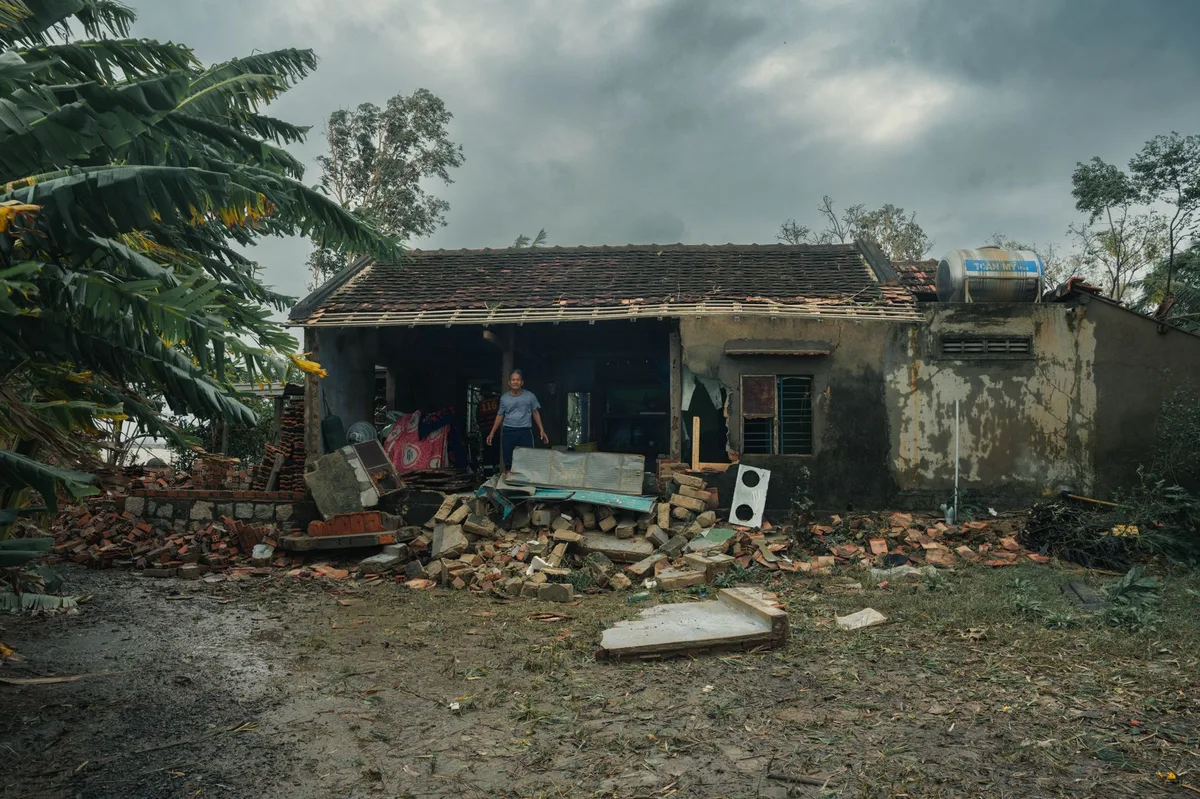
How the Cyclone Reinsurance Pool Cuts Premiums in Australia
The ACCC confirms Australia's cyclone reinsurance pool has reduced home insurance premiums in high-risk northern areas. Learn how it works.

The Home Insurance Crisis Facing Australia in 2026: Climate Change Impacts
Climate change drives Australia's home insurance crisis with soaring premiums, insurer exits, and uninsurable areas. What it means for homeowners.

Home Insurance Premiums Spike by $700 in Northern Australia
Home insurance premiums in North Queensland have risen by $700 on average. Learn why premiums spiked and what homeowners can do to manage costs.
