Understanding Rising Home Insurance Premiums in Australia
Australian homeowners face steep increases in home insurance premiums driven by climate-related disasters, reinsurance costs, and regional risk factors.
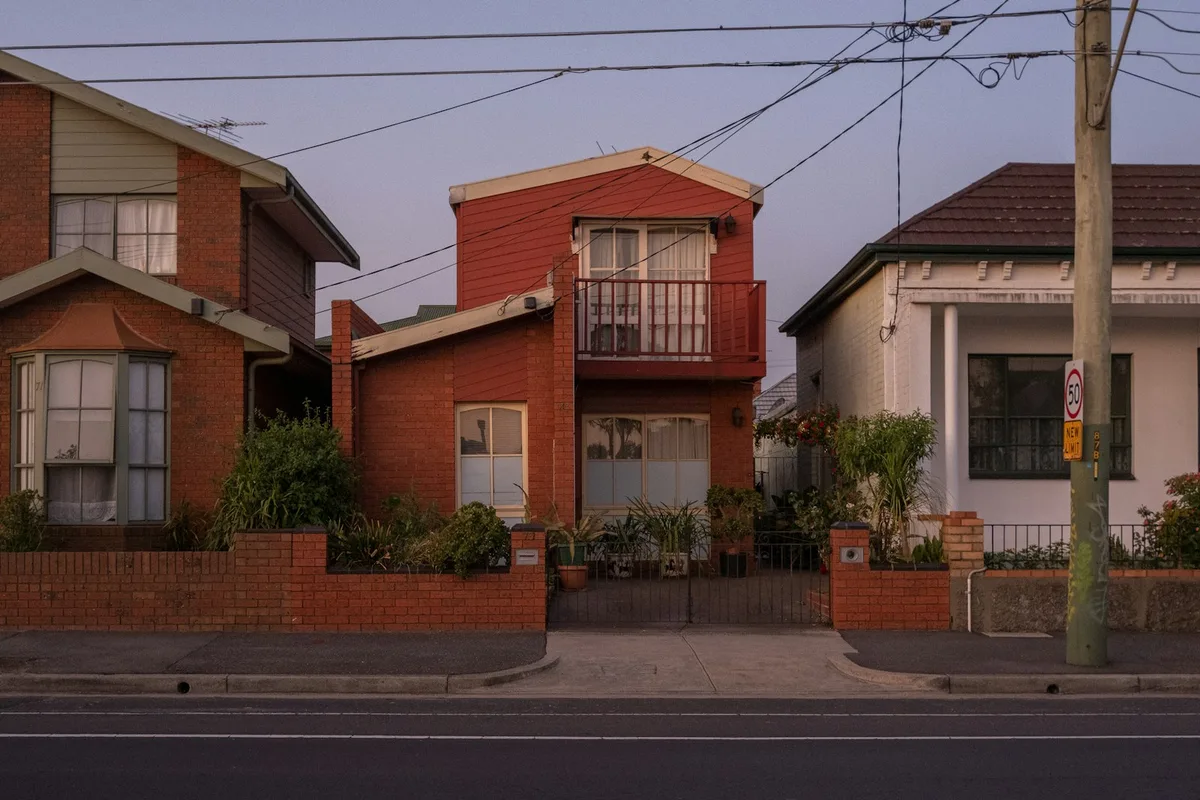
Unsplash - Cameron Tidy · original
In this article
Australian homeowners are facing significant increases in home insurance premiums, driven primarily by a surge in natural disaster claims, rising reinsurance costs, and the compounding effects of climate change. Premiums in high-risk areas such as Northern Australia and flood-prone regions have risen sharply, with some properties experiencing increases of 20 to 50 per cent or more over the past few years. Insurers are recalculating risk based on more frequent and severe weather events, tighter reinsurance markets, and updated catastrophe modelling, making affordable cover increasingly difficult to secure in vulnerable locations.
The Rising Cost of Home Insurance
Home insurance premiums across Australia have been climbing steadily, and the pace has accelerated in recent years. According to the Insurance Council of Australia, the increase reflects a structural shift in how insurers assess and price risk. Where premiums once rose modestly in line with inflation and property values, they now incorporate the escalating cost of catastrophe claims linked to floods, bushfires, cyclones, and severe storms.
The fundamental economics of insurance rest on pooling risk and predicting future claims with reasonable accuracy. As foundational texts such as Principles of Finance explain, insurers set premiums to cover expected claims, operating expenses, and a margin for uncertainty. When claims surge beyond historical norms, premiums must rise to restore balance. In Australia, the frequency and severity of natural disasters have disrupted this equilibrium, forcing insurers to reprice cover across entire regions.
Why Premiums Are Rising: Key Drivers
Climate Change and Natural Disasters
Australia’s exposure to natural disasters has intensified. Floods that were once considered 1-in-100-year events are now occurring with greater regularity. Bushfire seasons are longer and more destructive. Cyclones in the north are causing unprecedented damage. Insurers rely on catastrophe models to estimate future losses, and these models are being recalibrated to reflect the new climate reality.
When insurers pay out billions of dollars in claims following major floods in Queensland and New South Wales, or widespread bushfire damage, those costs feed directly into future premium calculations. Properties in high-risk areas bear the brunt of these adjustments, but the ripple effects extend across the broader market as insurers seek to maintain financial stability and meet regulatory capital requirements set by the Australian Prudential Regulation Authority (APRA).
Reinsurance Costs
Behind every Australian home insurer sits a global reinsurance market. Reinsurance is insurance for insurers: it protects them against catastrophic losses by spreading risk internationally. After several years of heavy disaster-related payouts worldwide, reinsurers have raised their prices sharply. Australian insurers, in turn, pass these higher reinsurance costs on to policyholders.
Reinsurance pricing is influenced by global capacity, recent loss experience, and investor expectations. When reinsurers withdraw capacity or demand higher premiums, Australian insurers have limited negotiating power. Northern Australia, in particular, has been flagged by reinsurers as a high-risk zone, contributing to premium increases that can make cover unaffordable or unavailable for some homeowners.
Updated Risk Modelling and Data
Insurers are using increasingly sophisticated modelling to assess flood zones, bushfire risk, and cyclone exposure. Properties once considered low or moderate risk may be reclassified as higher risk based on updated flood mapping, fire danger indices, and coastal inundation projections. This reclassification can trigger sharp premium increases even for homes that have never lodged a claim.
The availability of granular data, including satellite imagery and local government planning information, allows insurers to price risk with greater precision. While this benefits homeowners in genuinely low-risk areas, it penalises those in vulnerable locations who previously benefited from averaged pricing.
Regional Variation Across Australia
Not all Australian homeowners face the same premium pressures. Regional variation is pronounced:
Read also: Understanding Australia’s Home Insurance Crisis Driven by Floods and Fires
Northern Australia: Cyclone-prone areas in Queensland and the Northern Territory have seen some of the steepest increases. The cost of cyclone-resistant building standards, combined with reinsurance pricing, has pushed premiums to levels that strain household budgets. Some homeowners in Townsville, Cairns, and Darwin report annual premiums exceeding A$5,000 to A$10,000 for standard cover.
Flood-prone areas: River valleys and low-lying suburbs in New South Wales, Queensland, and Victoria are increasingly difficult and expensive to insure. Flood cover, once bundled into standard home insurance policies, is now scrutinised closely. Some insurers exclude flood altogether or charge substantial loadings for properties in mapped flood zones.
Bushfire zones: Properties in bushfire-prone regions of South Australia, Victoria, and New South Wales face higher premiums and stricter underwriting. Insurers may require evidence of ember guards, defendable space, and compliant building materials before offering cover.
Low-risk metropolitan areas: Homeowners in inner-city suburbs with minimal exposure to natural hazards have generally experienced more moderate increases, though they are not immune to broader market trends.
What This Means for Homeowners
For many Australians, rising premiums are squeezing household budgets. Homeowners in high-risk areas face difficult choices: accept higher premiums, increase the excess to reduce the premium, reduce the sum insured, or self-insure by going without cover entirely. The latter option carries significant financial risk, as rebuilding or repairing a home after a disaster can cost hundreds of thousands of dollars.
The Australian Securities and Investments Commission (ASIC MoneySmart) advises homeowners to review their Product Disclosure Statement (PDS) carefully, compare policies from multiple insurers, and consider whether the level of cover matches their needs. In some cases, adjusting the excess, opting for agreed value rather than market value, or excluding optional features can bring premiums down.
Homeowners should also check whether they qualify for any government assistance programs or industry initiatives aimed at improving affordability in high-risk regions. The Insurance Council of Australia and state governments have explored options including premium subsidies and reinsurance pools, though these remain limited in scope.
Conclusion
Australian homeowners are navigating a challenging insurance landscape shaped by climate change, rising reinsurance costs, and more sophisticated risk assessment. Premiums are unlikely to fall in the near term, particularly in high-risk areas. Understanding the drivers behind these increases, reviewing cover options regularly, and seeking professional advice from a licensed insurance adviser can help homeowners make informed decisions that balance affordability with adequate protection.
General Advice Warning: This article provides general information only and does not take into account your individual objectives, financial situation, or needs. Before acting on any information in this article, you should consider whether it is appropriate for you and read the relevant Product Disclosure Statement (PDS). Consider obtaining personal advice from a licensed insurance adviser to assess your specific circumstances. The availability, cost, and terms of home insurance vary by insurer, location, and property characteristics. Always verify current policy details and premium quotes directly with insurers or a licensed adviser before making a decision. This information is current as of October 2026.
Sources
- Insurance Council of Australia Consumer Resources (accessed )
- ASIC MoneySmart Insurance Guide (accessed )
- Australian Prudential Regulation Authority (accessed )
- Principles of Finance (accessed )
Related articles
Understanding Australia's Home Insurance Crisis Driven by Floods and Fires
Learn how floods and bushfires are driving Australia's home insurance crisis, with premiums rising and cover becoming harder to find in high-risk areas.
Australian Homeowners Drop Coverage as Natural Disaster Insurance Costs Rise
Australian homeowners in high-risk areas are dropping home insurance as premiums surge. Understand the risks and what's being done to improve affordability.

The Home Insurance Crisis Facing Australia in 2026: Climate Change Impacts
Climate change drives Australia's home insurance crisis with soaring premiums, insurer exits, and uninsurable areas. What it means for homeowners.
