Understanding Australia's Home Insurance Crisis Driven by Floods and Fires
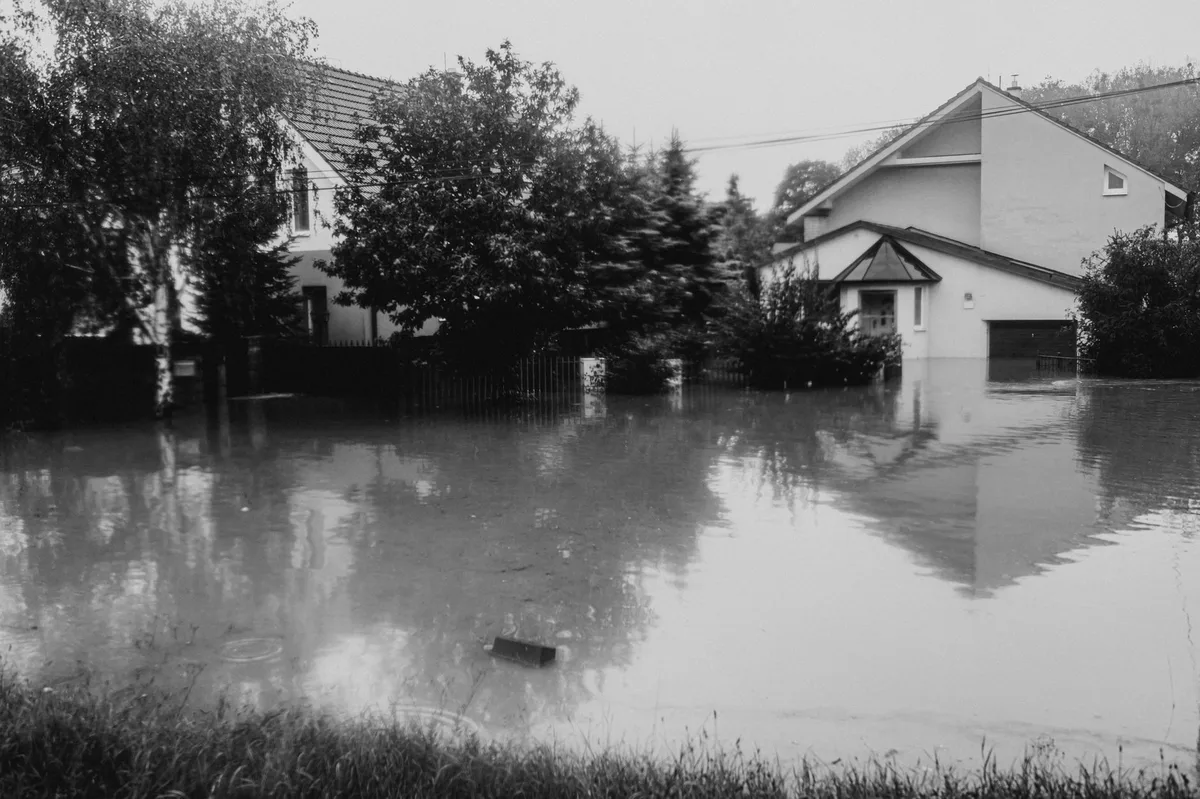
Natural disasters are reshaping Australia's home insurance landscape, driving premiums up and forcing insurers to withdraw from high-risk regions.
Pexels - Helena Jankovičová Kováčová · original
In this article
Key Takeaway
Australia is facing a home insurance affordability crisis driven by the escalating frequency and severity of floods and bushfires. Insurers are responding with sharp premium increases, stricter policy terms, and withdrawal from high-risk regions, particularly in Northern Australia and flood-prone areas. Many homeowners now face premiums they cannot afford, limited coverage options, or no available insurance at all, creating a growing underinsurance problem that leaves households financially exposed to the next disaster.
The Scale of the Problem
The past decade has fundamentally changed Australia’s home insurance landscape. Major natural disasters, including the catastrophic 2019-2020 Black Summer bushfires and the devastating 2022 east coast floods, have generated insurance claims totaling tens of billions of dollars. According to the Insurance Council of Australia, these events have forced insurers to reassess risk pricing across the country (Insurance Council of Australia, 2026).
The result is a crisis of affordability and availability. Premiums for home and contents insurance have risen by double-digit percentages in many regions, with some high-risk postcodes seeing increases of 50 per cent or more over just a few years. In the most disaster-prone areas, including parts of Queensland, New South Wales coastal regions, and Northern Australia, some insurers have stopped offering new policies entirely or imposed coverage restrictions that leave homeowners with inadequate protection.
Why Floods and Fires Are Driving the Crisis
Climate patterns are intensifying the two natural perils that cause the most home insurance claims in Australia: flooding and bushfire. Flood events that once occurred every few decades are now happening with alarming regularity. The 2022 floods alone affected hundreds of thousands of properties across Queensland and New South Wales, with some areas flooded multiple times within months.
Bushfire risk has expanded beyond traditional high-risk zones. Longer, hotter fire seasons and changing weather patterns mean properties once considered safe now face elevated bushfire threat. The financial impact is staggering. When an insurer pays out A$10 billion in claims from a single flood event, those costs must eventually be recovered through higher premiums across the insured pool.
Reinsurance costs, the insurance that insurers themselves buy to manage catastrophic risk, have climbed sharply as global reinsurers reassess Australia’s risk profile. These increased costs flow directly to homeowners through higher premiums. Fundamental texts on insurance principles, such as Principles of Finance, explain that insurance pricing must reflect the expected cost of claims plus operational expenses and a margin for uncertainty. When expected claims rise, premiums must follow.
How Insurers Are Responding
Faced with unsustainable claims-to-premium ratios in high-risk areas, insurers have adopted several strategies that directly affect homeowners:
Premium increases: Even properties that have never made a claim are seeing premiums rise as insurers spread the cost of regional disasters across all policyholders in affected areas. This pooled-risk model means your premium reflects not just your individual property but the broader risk profile of your postcode.
Coverage restrictions: Some insurers now exclude flood cover from standard policies in flood-prone areas or require separate flood policies with much higher premiums and excesses. Others have reduced sum insured limits or introduced sub-limits for specific perils like bushfire or storm damage.
Market withdrawal: Several insurers have stopped writing new business in Northern Australia and other high-risk regions. Existing customers may see their policies non-renewed when they come up for renewal, forcing them to search for alternatives in a shrinking market.
Higher excesses: Insurers are shifting more risk to policyholders by requiring larger excesses (the amount you pay before insurance kicks in). Cyclone excesses in Northern Australia, for instance, often run into thousands of dollars, sometimes calculated as a percentage of the sum insured rather than a fixed amount.
Regional Impacts and Inequality
The crisis is not affecting all Australians equally. Northern Australia has been particularly hard hit. According to ASIC’s MoneySmart service, some North Queensland households are paying premiums that exceed 10 per cent of their annual income, a figure that renders insurance unaffordable for many families (ASIC MoneySmart, 2026).
Coastal areas in New South Wales and Queensland face similar pressures. Properties on floodplains, near waterways, or in bushfire-prone regions are seeing the sharpest increases. This creates a dangerous cycle: as premiums rise, some homeowners reduce their coverage or drop insurance altogether, increasing underinsurance rates and leaving more households financially vulnerable.
The Australian Prudential Regulation Authority (APRA), which regulates general insurers, monitors industry stability but cannot directly control premiums (APRA, 2026). Insurers must hold sufficient capital to cover expected claims, which forces conservative pricing in high-risk areas.
What This Means for Homeowners
The practical implications for Australian homeowners are significant:
Underinsurance risk: When premiums become unaffordable, many people respond by reducing their sum insured, increasing their excess, or removing optional coverages like flood protection. This leaves them underinsured, meaning a total loss could result in a payout far below the cost to rebuild.
Financial exclusion: In some regions, homeowners simply cannot obtain insurance at any price. This affects property values, mortgage availability, and the financial security of entire communities. Lenders typically require buildings insurance as a condition of a home loan, so uninsurable properties may become unsaleable.
Policy complexity: With insurers offering different combinations of included and excluded perils, comparing policies has become more difficult. What looks like a lower premium may exclude flood or bushfire cover that you need. Reading the Product Disclosure Statement (PDS) and understanding exactly what is and is not covered is now more critical than ever.
What You Can Do
While the crisis is driven by forces beyond individual control, homeowners can take practical steps:
Compare policies carefully, reading each PDS to understand what perils are covered and what exclusions apply. Use comparison websites but verify the details directly with insurers. Consider the Target Market Determination (TMD) to ensure the policy is designed for your situation.
Assess your genuine cover needs. The sum insured should reflect the full cost to rebuild your home, not its market value. Underinsuring to save on premiums can prove catastrophic if you need to claim.
Reduce your property’s risk profile where possible. Installing fire-resistant materials, clearing vegetation around your home, improving drainage, and undertaking flood mitigation measures may qualify you for premium discounts with some insurers.
Seek advice from a licensed insurance adviser or broker who can access multiple insurers and find the best available cover for your circumstances and budget. In high-risk regions, a broker’s knowledge of which insurers are still writing business can be invaluable.
Check whether you qualify for any government assistance programs. Some states have introduced measures to help improve affordability in disaster-prone areas, though availability and eligibility vary.
Looking Forward
Australia’s home insurance crisis reflects a deeper challenge: how to maintain affordable, accessible insurance in a country increasingly affected by natural disasters. Industry groups, regulators, and governments are exploring solutions including risk mitigation funding, reinsurance pools for high-risk areas, and building code reforms to improve resilience.
For now, homeowners must navigate a market where cover is more expensive, harder to find, and more complex to assess. The key is to treat insurance as a critical financial decision requiring careful research, realistic cover levels, and regular review, particularly as your circumstances or your region’s risk profile changes.
General advice warning: This article contains general information only and does not take into account your objectives, financial situation, or needs. Before acting on this information, consider whether it is appropriate for you and read the relevant Product Disclosure Statement (PDS). Consider obtaining personal advice from a licensed insurance adviser. Coverage, exclusions, premiums, and availability vary by insurer and by location. Always confirm current terms in the PDS and with a licensed adviser before making insurance decisions.
Sources
- Consumer Resources and Insurance Guidance (accessed )
- Insurance Overview and Consumer Protection (accessed )
- General Insurance Regulation and Industry Data (accessed )
- Principles of Finance (accessed )
Related articles

The Home Insurance Crisis Facing Australia in 2026: Climate Change Impacts
Climate change drives Australia's home insurance crisis with soaring premiums, insurer exits, and uninsurable areas. What it means for homeowners.
Why Northern WA Has the Highest Home Insurance Premiums in Australia
Northern WA home insurance premiums are the highest in Australia due to cyclone risk, flood exposure, and remote building costs. Understand the drivers and your options.
Understanding Rising Home Insurance Premiums in Australia
Why Australian home insurance premiums are rising sharply in 2026. Understand the climate, reinsurance, and regional factors driving higher costs.
