Why Northern WA Has the Highest Home Insurance Premiums in Australia
Northern Western Australia faces the nation's highest home insurance premiums, driven by cyclone risk, flood exposure, and remote building costs. Understand the factors behind the premium gap and what it means for homeowners.
Pexels - Pok Rie · original
In this article
Key takeaway: Homeowners in northern Western Australia pay the highest home insurance premiums in the country, often two to three times the national average. Cyclone exposure, flood risk, remote location, and elevated building costs drive the premium gap. The result is an affordability crisis, with many residents underinsured or uninsured, leaving them financially exposed when disasters strike.
The Premium Gap in Northern WA
Northern Western Australia, encompassing the Kimberley and Pilbara regions, consistently records the nation’s most expensive home insurance premiums. While the national average annual premium for combined home and contents cover sits around A$1,200 to A$1,800, homeowners in towns such as Broome, Port Hedland, and Karratha often face annual costs exceeding A$4,000, with some properties attracting premiums above A$6,000.
The premium gap reflects the mathematical reality of insurance pricing. Insurers calculate premiums based on the probability and cost of claims, and northern WA presents a concentration of risk factors that elevate both. According to the Insurance Council of Australia, cyclone-prone regions account for a disproportionate share of catastrophic claims, with a single severe cyclone generating hundreds of millions of dollars in insured losses (Insurance Council of Australia, 2026).
Why Northern WA Faces Higher Premiums
Several interconnected factors drive the premium gap, each rooted in the region’s geography, climate, and infrastructure.
Cyclone exposure is the dominant driver. Northern WA lies directly in the path of tropical cyclones during the November to April wet season. Cyclones Seroja (2021), Christine (2013), and George (2007) demonstrated the destructive potential of these systems, causing widespread damage to homes, outbuildings, and infrastructure. Insurers model cyclone risk using historical data and climate projections, and northern WA consistently ranks among the nation’s highest-risk zones. As covered in foundational texts such as Principles of Finance, insurers price risk to ensure premiums collected can cover expected claims plus a margin for uncertainty.
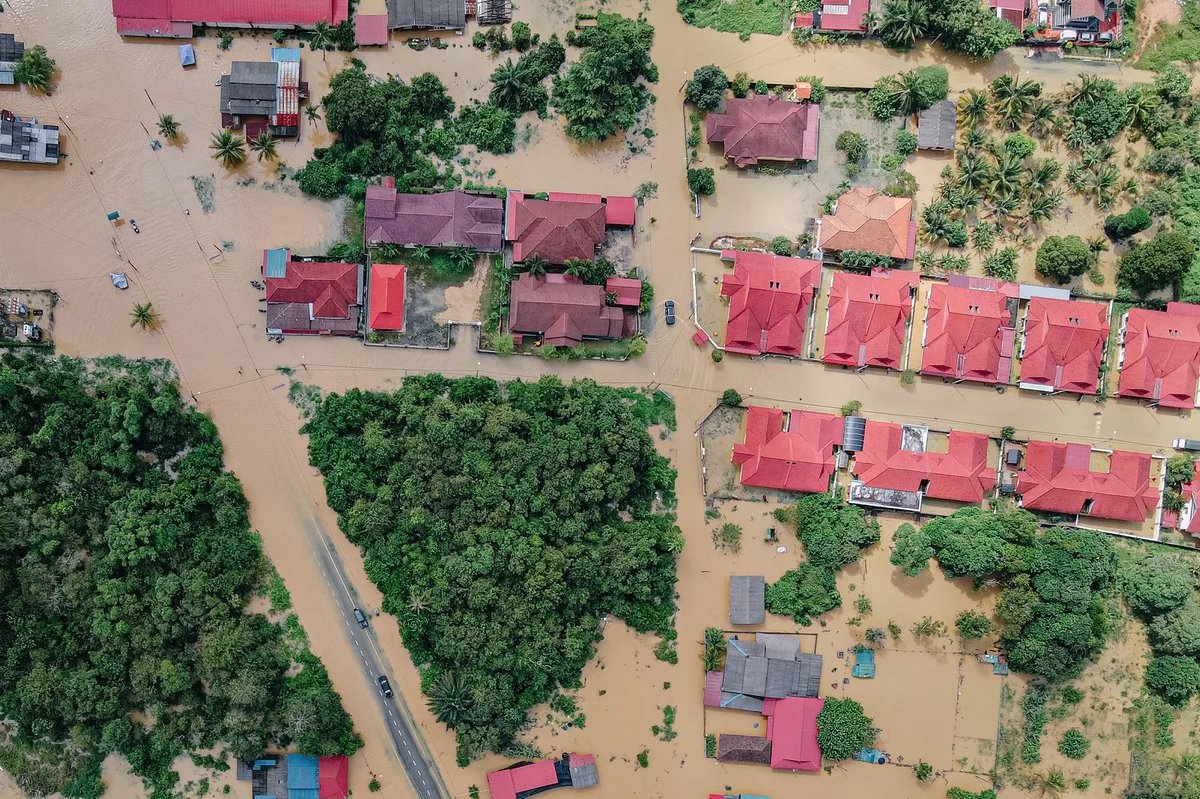
Flood risk compounds cyclone exposure. The same weather systems that bring cyclones deliver intense rainfall, leading to riverine and flash flooding. Properties near waterways or in low-lying areas face elevated flood risk, and many standard home insurance policies in northern WA include flood cover as a default feature, which increases the base premium. Homeowners should verify flood cover details in their Product Disclosure Statement (PDS), as definitions and exclusions vary by insurer.
Remote location and building costs further inflate premiums. Northern WA’s distance from major population centres raises the cost of materials, labour, and logistics when repairs or rebuilds are required. A roof replacement that might cost A$15,000 in Perth could exceed A$25,000 in Broome due to transport and accommodation costs for tradespeople. Insurers factor these elevated rebuild costs into their premium calculations, as the sum insured must reflect the true replacement cost.
Claims history in the region also plays a role. Insurers track claims frequency and severity by postcode, and northern WA postcodes show higher-than-average claims rates due to cyclones, floods, and storm damage. Even homeowners who have never claimed pay higher premiums because the insurer pools risk across all policyholders in the area.
Impact on Residents
The premium burden creates a genuine affordability crisis. Many residents, particularly retirees, pensioners, and low-income households, struggle to pay annual premiums that represent 3% to 5% of their property value. According to ASIC’s MoneySmart service, some homeowners respond by reducing their level of cover, increasing their excess to lower the premium, or dropping insurance altogether (ASIC MoneySmart, 2026).
Underinsurance and non-insurance leave households financially exposed. A home destroyed by a cyclone without adequate cover can result in a total financial loss, with the homeowner facing the rebuild cost out of pocket. The Australian Prudential Regulation Authority (APRA) monitors insurance affordability and availability in high-risk regions, recognising it as a systemic issue that affects financial stability and disaster recovery (APRA, 2026).
Read also: Why Home Insurance Premiums Are Rising in the Northern Territory (Australia)
What Homeowners Can Do
While northern WA homeowners cannot eliminate the premium gap, several strategies can help manage costs and maintain appropriate cover:
- Compare policies annually. Premiums vary significantly between insurers for the same property. Use comparison tools and obtain quotes from multiple insurers, checking not just the premium but the level of cover, excess, and exclusions.
- Review your sum insured. Overinsuring inflates your premium unnecessarily, while underinsuring leaves you exposed. Obtain a professional building valuation or use your insurer’s online calculator to set an accurate sum insured that reflects current rebuild costs in your area.
- Consider your excess carefully. A higher excess reduces your premium but increases your out-of-pocket cost when you claim. Balance affordability with what you could realistically pay after a disaster.
- Strengthen your property. Cyclone-rated shutters, tie-down straps, and reinforced roofing can reduce damage risk and may qualify you for premium discounts with some insurers. Check your PDS and ask your insurer about mitigation discounts.
- Explore government assistance. The Australian Government periodically reviews insurance affordability in northern Australia, and some state programs offer support. Check australia.gov.au for current initiatives.
- Read your PDS and Target Market Determination (TMD). Understanding what your policy covers, and what it excludes, prevents surprises at claim time. Cyclone, flood, and storm surge cover should be confirmed in writing.
The Outlook
Northern WA’s premium gap is unlikely to narrow in the short term. Climate projections suggest cyclone intensity may increase, and building costs in remote areas continue to rise. Insurers remain committed to offering cover in the region, but the fundamental risk drivers persist.
Homeowners should treat insurance as a non-negotiable cost of property ownership in cyclone-prone areas, budgeting for it alongside rates and utilities. Reducing cover to save money in the short term can result in catastrophic financial loss when disaster strikes.
If you face difficulty affording cover, contact your insurer to discuss payment plans, or seek advice from a licensed insurance broker who can help you find the most cost-effective policy for your needs. If you have a dispute with your insurer, the Australian Financial Complaints Authority (AFCA) offers a free dispute resolution service.
Conclusion
Northern WA’s position as the nation’s most expensive region for home insurance premiums reflects the genuine concentration of cyclone, flood, and rebuild-cost risks. While the premium gap creates affordability challenges, maintaining adequate cover remains essential for financial protection. By comparing policies, setting accurate sums insured, and exploring mitigation measures, homeowners can manage costs while preserving the cover they need.
General advice warning: This article provides general information only and does not take into account your individual objectives, financial situation, or needs. Before acting on this information, consider whether it is appropriate for you and read the relevant Product Disclosure Statement (PDS). Consider obtaining personal advice from a licensed insurance adviser. Home insurance cover, premiums, exclusions, and availability vary by insurer, property, and location. Always verify current terms in the PDS and confirm details with a licensed adviser for your specific circumstances. Premium figures quoted are indicative as of October 2026 and may vary.
Sources
- Consumer Resources - Insurance Council of Australia (accessed )
- Insurance - MoneySmart (accessed )
- Australian Prudential Regulation Authority (accessed )
- Principles of Finance (accessed )
Related articles
The Home Insurance Crisis Facing Australia in 2026: Climate Change Impacts
Climate change drives Australia's home insurance crisis with soaring premiums, insurer exits, and uninsurable areas. What it means for homeowners.
Why Home Insurance Premiums Are Rising in the Northern Territory (Australia)
NT home insurance premiums are rising sharply due to cyclone risk, climate factors, and insurer withdrawal. Understand what's driving costs and what you can do.
Understanding Australia's Home Insurance Crisis Driven by Floods and Fires
Learn how floods and bushfires are driving Australia's home insurance crisis, with premiums rising and cover becoming harder to find in high-risk areas.
