Why Home Insurance Premiums Are Rising in the Northern Territory (Australia)
Northern Territory residents face some of Australia's steepest home insurance premium increases, driven by cyclone exposure, climate risk, and a shrinking insurer market.

Pexels - Atlantic Ambience · original
In this article
Northern Territory home insurance premiums have increased by double-digit percentages in recent years, with some homeowners facing annual bills exceeding A$10,000. The sharp rises stem from escalating cyclone and flood risk, climate change impacts pushing up reinsurance costs, and a shrinking pool of insurers willing to cover high-risk tropical regions. For many NT residents, home insurance is becoming unaffordable or unavailable, leaving properties underinsured or uninsured altogether.
Why NT Home Insurance Costs Are Climbing
The Northern Territory faces unique insurance challenges that drive premiums well above the national average. Understanding the underlying factors helps explain why costs continue to rise and what might change in future.
Cyclone and Extreme Weather Exposure
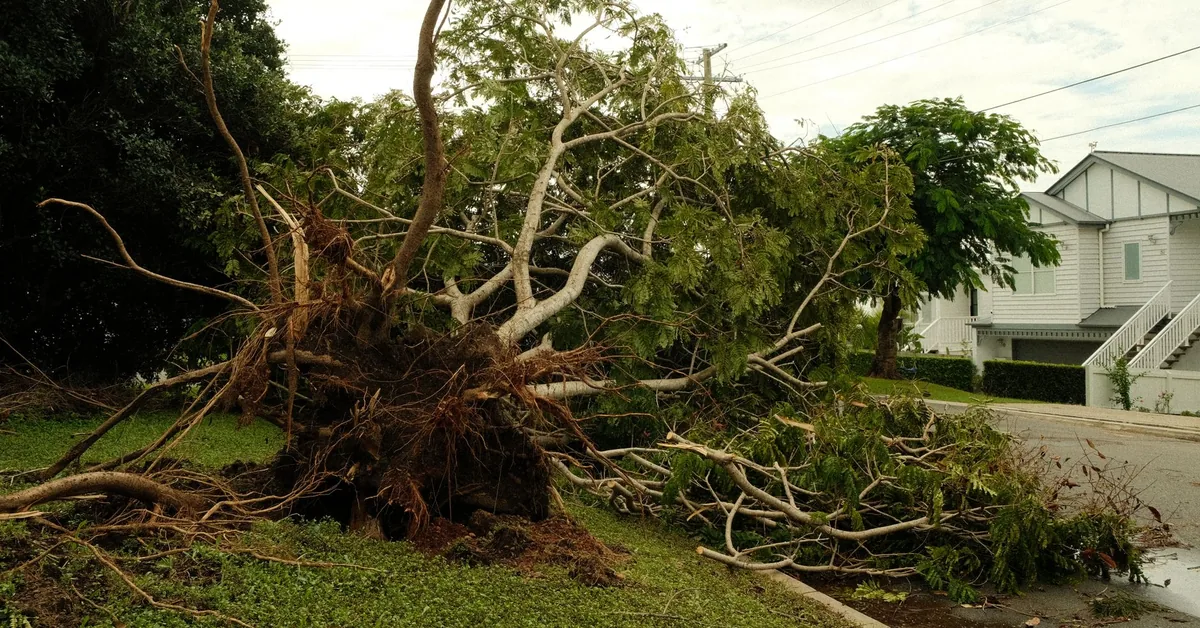
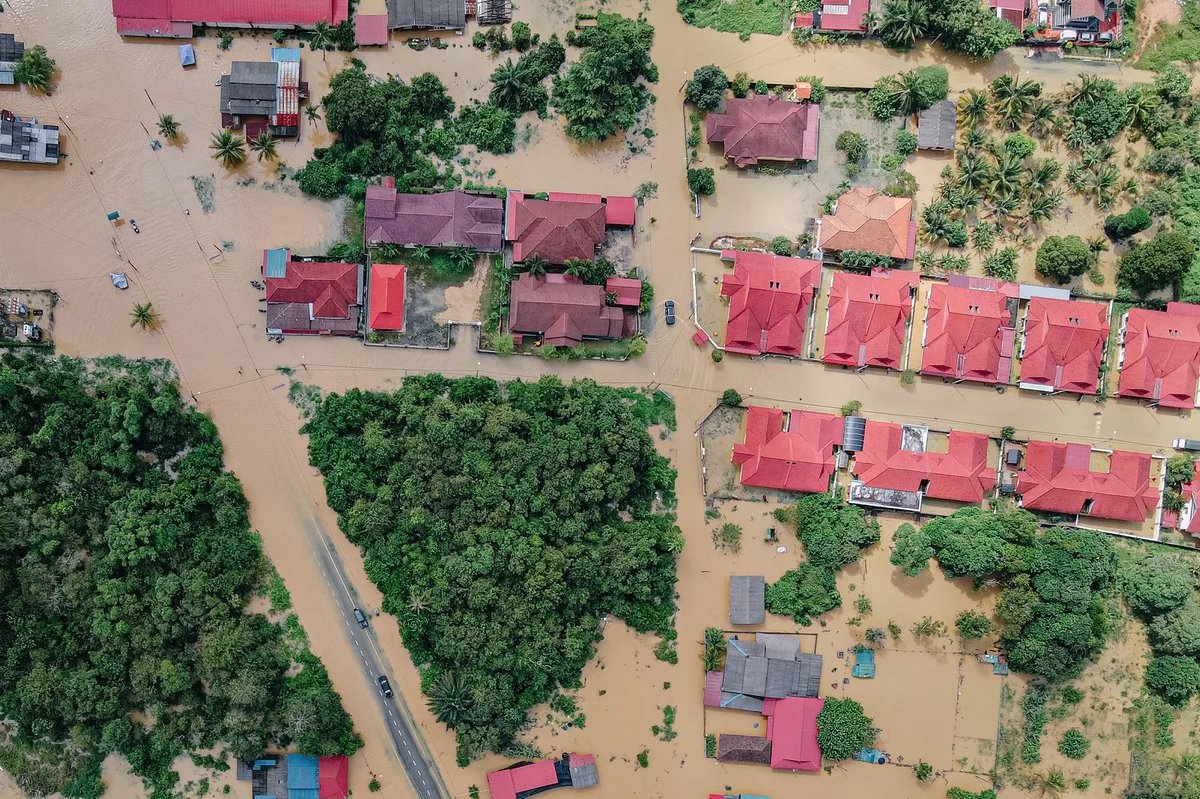
The NT’s tropical climate brings intense cyclone seasons, severe storms, and monsoon flooding. Darwin and surrounding regions sit in one of Australia’s highest-risk cyclone zones, with major events causing hundreds of millions of dollars in property damage. According to the Insurance Council of Australia, natural disaster costs across Australia have surged, and the NT bears a disproportionate share due to its geographic vulnerability (Insurance Council of Australia, 2026).
Cyclone Tracy in 1974 remains the benchmark disaster, but more recent cyclones (Marcus in 2018, Megan in 2024) have reinforced insurers’ perception of the NT as a high-claims territory. Each major event forces insurers to revise their risk models upward, which flows through to premium calculations for every policyholder in the region.
Reinsurance Cost Pressures
Insurers purchase reinsurance (insurance for insurers) to cover large-scale disaster losses. Global reinsurance markets have tightened as climate-related disasters increase worldwide, pushing reinsurance premiums higher. NT home insurers pass these costs directly to policyholders. When a global reinsurer raises its rates by 20 per cent, the NT homeowner’s premium rises in lockstep, even if their individual property has never made a claim.
The reinsurance spiral compounds over time: higher claims lead to higher reinsurance costs, which lead to higher premiums, which in turn make some properties uninsurable as premiums exceed what households can pay.
Market Concentration and Insurer Withdrawal
Several major insurers have reduced their NT exposure or stopped writing new policies in high-risk postcodes, leaving fewer competitors and less downward pressure on pricing. When only a handful of insurers remain willing to cover cyclone-prone areas, those insurers can sustain higher premiums without losing market share. The reduced competition also means fewer product options and less flexibility for homeowners shopping for better deals.
According to ASIC’s MoneySmart service, Australians should compare home insurance policies annually to ensure they are getting competitive cover, but in the NT this advice runs into practical limits when only two or three insurers will quote at all (MoneySmart, 2026).
The Affordability Crisis for NT Residents
Premium increases have real consequences for household budgets and financial security. Many NT homeowners face an impossible choice: pay premiums that consume a significant portion of their income, or drop cover and risk total financial loss if disaster strikes.
Underinsurance and Non-Insurance
When premiums become unaffordable, some households reduce their sum insured to lower the premium, leaving them underinsured. Others let policies lapse entirely. A property destroyed by a cyclone without adequate insurance can leave a family with a mortgage on a ruined house and no funds to rebuild. The financial and emotional toll is severe, and the flow-on effects ripple through the broader NT economy.
Policy Excesses and Cover Limits
Even when cover is maintained, many NT policies carry high excesses (the amount you pay before the insurer contributes). A A$5,000 or A$10,000 cyclone excess is common, which can deter claims for moderate damage and shift more cost burden onto the homeowner. Foundational texts such as Principles of Finance explain that insurance pricing reflects expected losses and the insurer’s cost of capital; in high-risk markets like the NT, those costs translate into steep premiums and excesses that test the limits of affordability.
Read also: Australian Homeowners Drop Coverage as Natural Disaster Insurance Costs Rise
What NT Homeowners Can Do
While the structural drivers of premium increases are beyond individual control, several practical steps can help manage costs and maintain appropriate cover.
Compare Policies and Negotiate
Even with limited competition, comparing quotes from every available insurer is essential. Premiums can vary by thousands of dollars for identical cover. Online comparison tools and licensed insurance brokers can help identify the best available deal. When renewing, ask your current insurer if any discounts apply (bundling home and contents, installing security or cyclone-resistant features, maintaining a no-claim history).
Strengthen Your Property
Upgrading your home to meet modern cyclone-resistance standards (reinforced roofing, impact-resistant windows, proper tie-downs) can reduce risk and, in some cases, qualify for premium discounts. While the upfront cost is significant, the long-term savings and improved resilience can justify the investment. Check your insurer’s PDS and contact them directly to confirm which upgrades are recognised for premium relief.
Review Your Sum Insured and Cover Level
Setting your sum insured accurately (the amount the insurer will pay to rebuild your home) avoids paying for more cover than you need. An annual building valuation ensures your sum insured reflects current construction costs without excessive padding. Similarly, review what perils are covered: if flood is a low risk for your specific location, a policy that excludes flood (where legal and appropriate) may cost less, though this trade-off requires careful consideration of your actual exposure.
Seek Government and Community Support
The Australian Government and NT Government periodically announce measures to address insurance affordability in cyclone-prone regions, including reinsurance pool schemes and grants for cyclone-proofing upgrades. Stay informed through australia.gov.au and the NT Government’s emergency services and housing departments. Community advocacy groups also lobby for systemic reform and can provide support navigating the insurance market.
Understand Your Rights
If your insurer denies a claim or treats you unfairly, you can lodge a complaint with the Australian Financial Complaints Authority (AFCA), which provides free and independent dispute resolution for insurance matters (AFCA, 2026). Knowing your rights under the Insurance Contracts Act and the Product Disclosure Statement (PDS) is critical when disputes arise.
Looking Ahead
The trajectory for NT home insurance premiums remains uncertain. Climate science projects more intense cyclones and higher sea levels, which could further increase risk and cost. However, federal intervention through reinsurance pools, state-led mitigation programs, and advances in building standards may slow or stabilise premium growth. The NT’s insurance market is a canary in the coal mine for other high-risk Australian regions, and solutions developed here may shape the national approach to climate-driven insurance challenges.
Conclusion
Northern Territory home insurance premiums are rising because of genuine, measurable increases in cyclone and flood risk, compounded by global reinsurance market pressures and reduced insurer competition. The affordability crisis is real, and many NT households are underinsured or uninsured as a result. While no single action will reverse premium increases, comparing policies, strengthening your property, accurately setting your sum insured, and staying informed about government assistance can help manage costs and maintain essential financial protection.
Before acting on the information in this article, consider whether it is appropriate for your circumstances. Read the Product Disclosure Statement (PDS) and Target Market Determination (TMD) for any policy you are considering, and seek personal advice from a licensed insurance adviser or financial counsellor. This is general information only and does not take into account your objectives, financial situation, or needs.
Sources
- Insurance Council of Australia - Consumer Resources (accessed )
- ASIC MoneySmart - Insurance (accessed )
- AFCA - Make a Complaint (accessed )
- Principles of Finance (accessed )
Related articles
Australian Homeowners Drop Coverage as Natural Disaster Insurance Costs Rise
Australian homeowners in high-risk areas are dropping home insurance as premiums surge. Understand the risks and what's being done to improve affordability.
Why Northern WA Has the Highest Home Insurance Premiums in Australia
Northern WA home insurance premiums are the highest in Australia due to cyclone risk, flood exposure, and remote building costs. Understand the drivers and your options.

Home Insurance Premiums Continue to Rise in Australia's Northern Territory
NT home insurance premiums continue rising in Australia due to cyclone risk, flooding, and reinsurance costs. Learn what's driving increases and your options.
