Telematics and Black Box Car Insurance in Australia: Who Actually Saves
Telematics car insurance rewards safe driving with lower premiums, but savings depend on your driving habits, age, and how insurers score your behaviour.
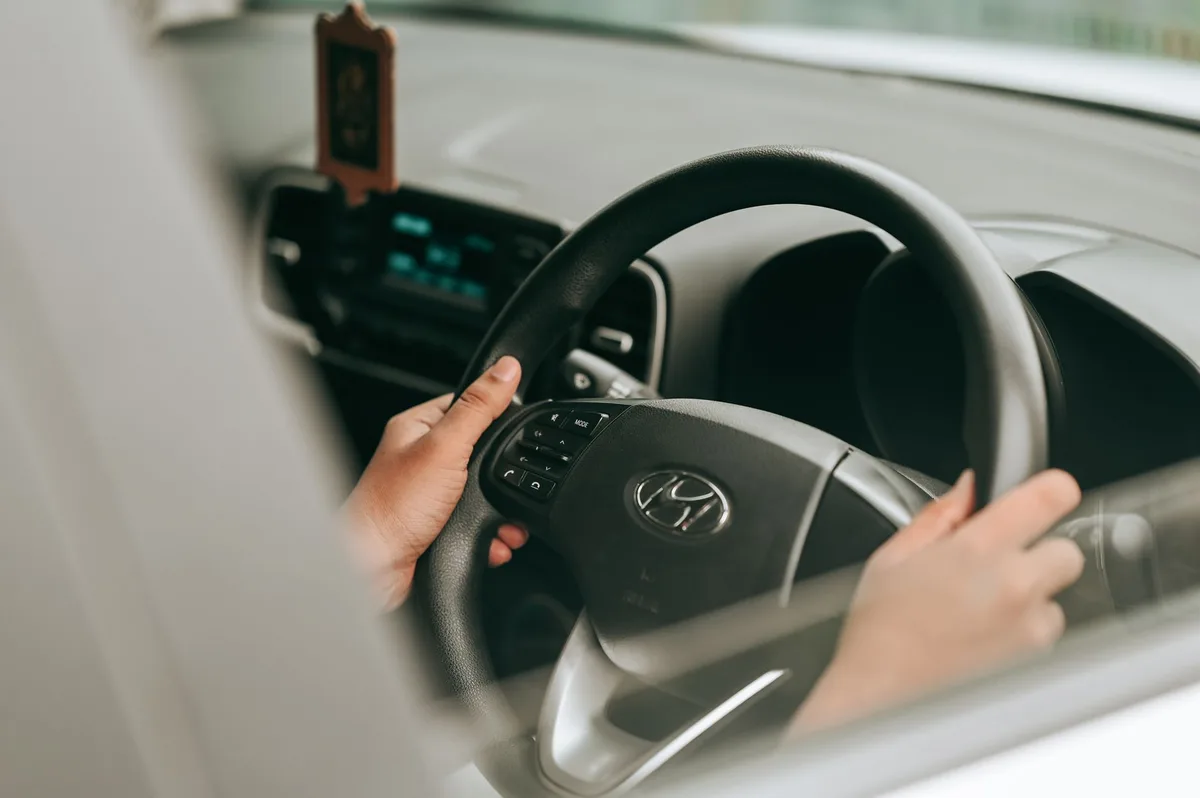
Pexels - Sachu Zayn · original
In this article
Key Takeaway
Telematics car insurance (also called black box or usage-based insurance) monitors how you drive and adjusts your premium based on your actual behaviour behind the wheel. Safer drivers, particularly young or newly licensed drivers willing to prove their low-risk habits, can save 10 to 30 per cent on comprehensive cover. Higher-risk drivers, those who brake hard frequently, speed, or drive late at night, may see no discount or pay more than a standard policy.
What Telematics Car Insurance Is
Telematics car insurance uses a small device (a black box) installed in your vehicle or a smartphone app to record driving data: speed, braking, acceleration, cornering, time of day, and distance travelled. The insurer analyses this data over a monitoring period (typically three to six months) and sets your premium, excess, or no-claim discount based on the results (Finder Australia, 2026).
In Australia, telematics policies are offered by a handful of insurers as an alternative to traditional comprehensive or third party cover. The cover itself remains the same (you choose comprehensive, third party fire and theft, or third party property), but the pricing mechanism shifts from static demographic risk factors (age, postcode, claims history) to dynamic behavioural scoring.
As covered in foundational texts such as Principles of Finance (OpenStax, 2022), insurance pricing relies on assessing risk: insurers charge more when they expect higher claims costs. Telematics flips this model by giving individual drivers a direct way to demonstrate lower risk through their real-world behaviour, rather than relying solely on group statistics.
How Black Box Insurance Works in Australia
When you take out a telematics policy, the insurer either sends you a plug-in device (installed into the OBD-II port under your dashboard) or asks you to download a mobile app that uses your phone’s GPS and accelerometer. The device or app tracks:
- Speed: whether you stay within posted limits and how often you exceed them.
- Braking and acceleration: harsh or sudden manoeuvres suggest higher crash risk.
- Cornering: sharp turns at speed indicate aggressive driving.
- Time of day: late-night and early-morning driving (especially 11 pm to 5 am) correlates with higher accident rates.
- Distance: some policies use kilometres driven to set usage-based pricing (pay-per-kilometre models).
After the initial monitoring period, the insurer calculates a driving score (often 0 to 100) and applies a discount to your base premium or adjusts your excess. Safe drivers earn the advertised discount; risky drivers receive a smaller discount, no discount, or a premium loading. Most Australian telematics policies guarantee you will not pay more than the standard premium during the first term, but subsequent renewals can increase if your score is poor (ASIC MoneySmart, 2026).
Your driving score and data are reviewed at each renewal. Consistent safe driving can lock in long-term savings, while deteriorating habits can erode discounts.
Who Actually Saves with Telematics Insurance
Young and Newly Licensed Drivers
Drivers under 25 or with less than two years’ experience face the highest premiums because, as a group, they have higher accident rates. Telematics lets an individual young driver prove they are cautious and earn a discount that would otherwise take years to accumulate through a no-claim bonus. Savings of 15 to 30 per cent are common for consistently safe young drivers.
Low-Mileage Drivers
If you drive fewer than 10,000 kilometres per year (retired drivers, city dwellers using public transport, or those working from home), pay-per-kilometre telematics policies reward you directly. You pay a lower base premium plus a small per-kilometre rate, cutting costs compared to standard comprehensive cover priced for average annual distance.
Cautious, Routine Drivers
Drivers who stick to familiar routes, avoid peak-hour congestion, drive mostly during daylight, and accelerate and brake smoothly score well. If you rarely speed, do not tailgate, and avoid late-night trips, telematics pricing works in your favour.
Drivers Seeking Proof for Future Insurers
Even if your current discount is modest, a strong telematics driving record can be portable evidence of low risk when you switch insurers, potentially securing better quotes elsewhere.
Read also: No-Claim Discount in Australia: How Rating One Is Earned and Lost
Who Does Not Save
Aggressive or Fast Drivers
Frequent speeding, hard braking, rapid acceleration, and sharp cornering all lower your score. If your driving style is spirited or you regularly exceed limits by more than 5 km/h, telematics will record it and your discount disappears.
Night and Weekend Drivers
If your work hours or social habits mean you drive frequently between 11 pm and 5 am, or you take long highway trips late at night, your score suffers. Insurers view late-night driving as higher risk due to fatigue, lower traffic density (leading to higher speeds), and impaired-driver prevalence.
High-Mileage Drivers
Long-distance commuters or regional drivers racking up 20,000-plus kilometres per year face higher per-kilometre charges on usage-based policies, which can offset or eliminate the behavioural discount.
Privacy-Concerned Drivers
Telematics requires sharing continuous location and driving data with your insurer. If you are uncomfortable with this level of monitoring, the potential saving is irrelevant.
What to Check Before Choosing Telematics Cover
Read the Product Disclosure Statement (PDS) and the Target Market Determination (TMD) carefully. Key questions:
- What is the base premium? Compare it to a standard comprehensive policy with the same excess and cover limits. Some telematics policies start with a higher base, and the discount merely brings you back to market rate.
- What is the maximum discount, and what score do you need to achieve it? Advertised discounts (up to 30 per cent) often require near-perfect scores; typical drivers may see 10 to 15 per cent.
- Does the insurer guarantee no penalty in the first term? Most do, but check renewal terms.
- Can you see your score and driving data? Insurers with driver dashboards or apps let you track your performance and adjust your habits during the monitoring period.
- What excess applies? Some telematics policies carry higher excess than standard cover; factor this into the total cost.
- Is there an installation fee or app requirement? Plug-in devices are typically free, but some insurers charge if you cancel early.
As ASIC MoneySmart notes, comparing total cost (premium plus excess) across multiple insurers, both telematics and traditional, is essential before deciding (ASIC MoneySmart, 2026).
Conclusion
Telematics car insurance in Australia rewards genuinely safe drivers, particularly young drivers and those with low annual mileage, with measurable premium savings. Aggressive drivers, frequent night-time travellers, and high-mileage commuters see little benefit and may pay more. The technology works when your actual driving behaviour is better than the insurer’s demographic assumptions about you. Before signing up, compare the telematics quote (including base premium, achievable discount, and excess) against standard comprehensive policies from multiple insurers, and confirm you are comfortable sharing your driving data. For personalised advice on whether telematics cover suits your situation, consult a licensed insurance adviser.
General Advice Warning: This article provides general information only and does not take into account your objectives, financial situation, or needs. Before acting on this information, consider whether it is appropriate for you and read the relevant Product Disclosure Statement (PDS). Consider obtaining personal advice from a licensed insurance adviser. Cover, exclusions, and telematics program terms vary by insurer and may differ by state or territory. Verify current policy details, discount structures, and monitoring requirements in the PDS and the Target Market Determination (TMD) before deciding.
Sources
- Car Insurance (accessed )
- Insurance (accessed )
- Consumer Resources (accessed )
- Principles of Finance (accessed )
Related articles
How to Lower Your Car Insurance Premium in Australia: A Practical Checklist
Reduce your car insurance premium in Australia with this practical checklist. Compare quotes, adjust your excess, and claim available discounts.
Reviewing Your Car Insurance Policy for Longer Spring Drives in Australia
Planning longer spring drives? Review your Australian car insurance policy for coverage limits, usage restrictions, and roadside assistance before you hit the road.

How to Compare Car Insurance Quotes in Australia the Right Way
Learn how to compare car insurance quotes in Australia properly. Check excess, inclusions, exclusions and read the PDS to get the right cover.
