Summer Storm and Flood Preparation Checklist: Checking Your Coverage in Australia
A practical checklist to review your home and contents insurance before summer storm season hits, ensuring you have the flood cover and protection you need.
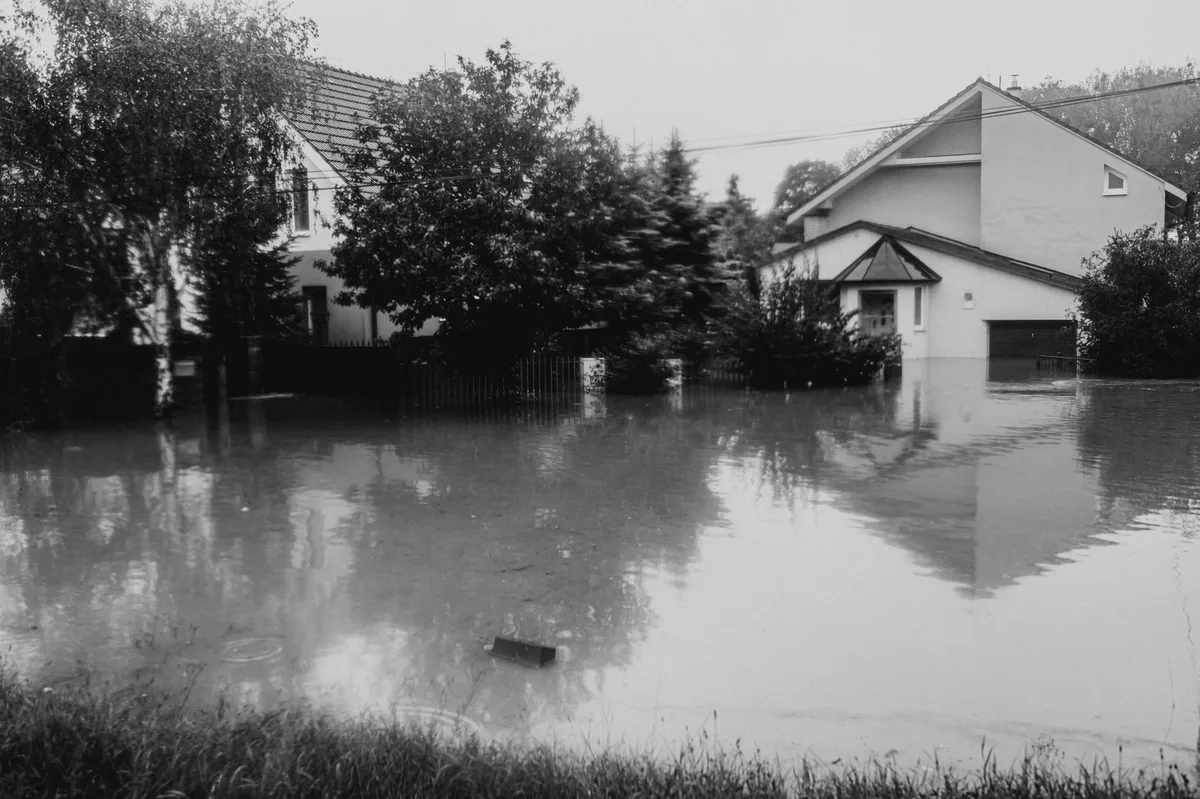
Pexels - Helena Jankovičová Kováčová · original
In this article
Key Takeaway: Australia’s summer storm season brings heavy rain, flooding, and property damage. Many home insurance policies exclude flood cover or define it narrowly, leaving gaps in protection. Before the season peaks, review your Product Disclosure Statement (PDS), confirm whether flood cover is included or needs to be added separately, check your sum insured reflects current replacement costs, and document your belongings. Taking these steps now ensures you are not caught underinsured when storms hit.
Why Checking Your Coverage Before Summer Storm Season Matters
Australia’s summer months, typically November through March, bring intense storms, heavy rainfall, and widespread flooding across many regions. Coastal areas face cyclones, while inland communities deal with flash flooding when river systems overflow. According to the Insurance Council of Australia, flood and storm damage account for billions of dollars in claims each year, yet many Australians discover gaps in their cover only after lodging a claim (Insurance Council of Australia, 2026).
The distinction between storm damage and flood damage is critical. Home insurance generally covers storm damage (wind, hail, rain entering through storm-damaged roofs), but flood cover is often excluded or sold as an optional add-on. Foundational texts such as Principles of Public Health: A Simple Text Book on Hygiene emphasise that disaster preparedness begins well before the event, and insurance preparation is no exception.
This checklist walks you through the essential steps to review your home and contents insurance, verify your flood cover, and prepare for summer storm season with confidence.
Summer Storm and Flood Coverage Checklist
1. Locate and Read Your Product Disclosure Statement (PDS)
Your PDS defines what is covered, what is excluded, and how claims are assessed. If you no longer have a copy, contact your insurer or download it from their website. The PDS will specify whether flood cover is included in your policy or excluded. According to ASIC MoneySmart, flood definitions vary between insurers, so read your PDS carefully rather than assuming coverage (MoneySmart, 2026).
Check both your home (building) insurance and contents insurance PDS if you hold separate policies. Combined policies cover both, but flood exclusions may still apply.
2. Confirm Whether Flood Cover Is Included or Excluded
Since 2011, most Australian home insurance policies define flood consistently as water overflowing from rivers, creeks, lakes, or stormwater drains. However, flood cover is not automatically included in all policies. Some insurers offer it as standard, others as an optional extra, and some exclude it entirely for properties in high-risk flood zones.
If your policy excludes flood cover, contact your insurer to add it before storm season begins. Premiums for flood cover vary by location and flood risk, with properties in declared flood zones paying higher premiums or facing exclusions.
3. Understand the Difference Between Storm Damage and Flood Damage
Storm damage and flood damage are treated separately under Australian insurance policies:
- Storm damage is generally covered under standard home insurance. It includes damage from wind, hail, and rainwater entering your home through a storm-damaged roof or broken window.
- Flood damage occurs when water from rivers, creeks, lakes, or stormwater drains overflows and enters your property. This requires specific flood cover.
Rainwater runoff pooling in your yard during heavy rain may or may not qualify as flood damage, depending on how your insurer defines the source. Review your PDS to clarify what qualifies as a flood event.
4. Verify Your Sum Insured and Replacement Costs
Your sum insured is the maximum amount your insurer will pay to rebuild your home or replace your contents. Building costs and the value of household goods have risen significantly in recent years, so a sum insured set five years ago may no longer reflect current replacement costs.
For building insurance, ensure the sum insured covers the full cost to rebuild your home to the same standard, excluding the land value. For contents insurance, estimate the total replacement cost of all your belongings, including furniture, appliances, clothing, and electronics. According to the Insurance Council of Australia, underinsurance is a common problem, leaving policyholders to cover the shortfall themselves after a claim.
5. Review Exclusions and Conditions
All policies contain exclusions. Common exclusions related to storm and flood preparation include:
Read also: Flood Cover and Home Insurance in Australia: What You Need to Know
- Damage from poor maintenance (blocked gutters, leaking roofs not repaired)
- Damage to retaining walls, driveways, or landscaping (often excluded or capped)
- Damage from coastal erosion or storm surge (may require separate cover)
- Damage to unoccupied properties or properties under renovation (check conditions)
Read the exclusions section of your PDS and address any maintenance issues before storm season. Insurers may deny claims if damage results from neglect or lack of reasonable care.
6. Document Your Possessions and Property Condition
Before a storm hits, photograph or video record the interior and exterior of your home, including all rooms, contents, and any pre-existing damage. Store the records digitally in a cloud account or with a trusted contact outside the property. This documentation speeds up claims processing and provides evidence of your possessions and their condition before the event.
Create a written inventory of high-value items (electronics, jewellery, artwork) with purchase dates, receipts, and serial numbers where applicable. Contents insurance pays for items you can prove you owned.
7. Update Your Contact Details and Emergency Plan
Ensure your insurer has your current phone number, email, and postal address. In the event of a major disaster, insurers prioritise contact with policyholders based on the details they hold. Register with your insurer’s online portal or app if available, so you can lodge claims and track progress digitally.
Prepare an emergency plan for your household, including evacuation routes, emergency contacts, and a list of essential documents to take with you if you need to leave quickly. The Australian Government provides emergency preparation resources at australia.gov.au.
8. Know Your Excess and Claims Process
Your excess is the amount you pay when you lodge a claim. Policies often have a standard excess plus an additional flood excess if flood cover applies. Review your excess amounts in your PDS and ensure you can afford to pay them if you need to claim. Higher excess amounts reduce your premium but increase your out-of-pocket cost after a loss.
Familiarise yourself with your insurer’s claims process. Most insurers require you to notify them within a set timeframe after damage occurs, provide evidence of the damage, and arrange quotes for repairs. Delays in notification or inadequate documentation can complicate claims.
Common Mistakes to Avoid
- Assuming you have flood cover without checking. Many Australians do not realise flood cover is excluded or optional until they lodge a claim. Always confirm coverage in writing before storm season.
- Underinsuring your home or contents. Rising building and replacement costs mean your sum insured may no longer be adequate. Review and update your sum insured annually.
- Ignoring maintenance issues. Insurers may deny claims if damage results from poor maintenance, such as blocked gutters or unrepaired leaks.
- Waiting until a storm warning to review your policy. Insurers typically stop issuing new policies or adding cover once a storm or flood warning is issued for your area. Review your policy well in advance.
Conclusion
Summer storm and flood preparation is not only about securing your property physically; it is about ensuring your insurance cover protects you financially when disaster strikes. By working through this checklist before storm season peaks, you verify your flood cover, update your sum insured, and eliminate gaps that could leave you underinsured. Review your Product Disclosure Statement, confirm your flood cover status, document your possessions, and update your insurer’s contact details. Taking these steps now gives you peace of mind and financial protection when the storms arrive.
For personalised advice on your insurance needs, consult a licensed insurance adviser who can assess your specific situation, property location, and cover requirements.
General Advice Warning: This article provides general information only and does not take into account your objectives, financial situation, or needs. Before acting on this information, consider whether it is appropriate for you and read the relevant Product Disclosure Statement (PDS). Consider obtaining personal advice from a licensed insurance adviser. Coverage, exclusions, and availability vary by insurer and by state or territory. Always confirm current terms and conditions with your insurer or a licensed adviser before making decisions.
Sources
- Insurance - MoneySmart (accessed )
- Consumer Resources - Understanding Your Insurance (accessed )
- Australia.gov.au - Emergency Preparation (accessed )
- Principles of Public Health: A Simple Text Book on Hygiene (accessed )
Related articles
Flood Cover and Home Insurance in Australia: What You Need to Know
Learn how flood cover works in Australian home insurance, what to check in the PDS, and when to review your sum insured.
Is Flood Insurance Worth Having in Australia?
Flood insurance protects against costly water damage in Australia. Learn what it covers, how much it costs, and whether it's worth having for your property.
Why Some Homes Are Becoming Uninsurable for Flood in Australia
Why flood insurance is becoming unaffordable in Australia, what uninsurable means and how to check your home and contents cover.
