Low Home Insurance Coverage in Pilbara Despite Cyclone Risk in Australia
Pilbara residents face some of Australia's highest cyclone risks yet have among the lowest home insurance uptake rates. Affordability barriers and market withdrawal drive the gap.
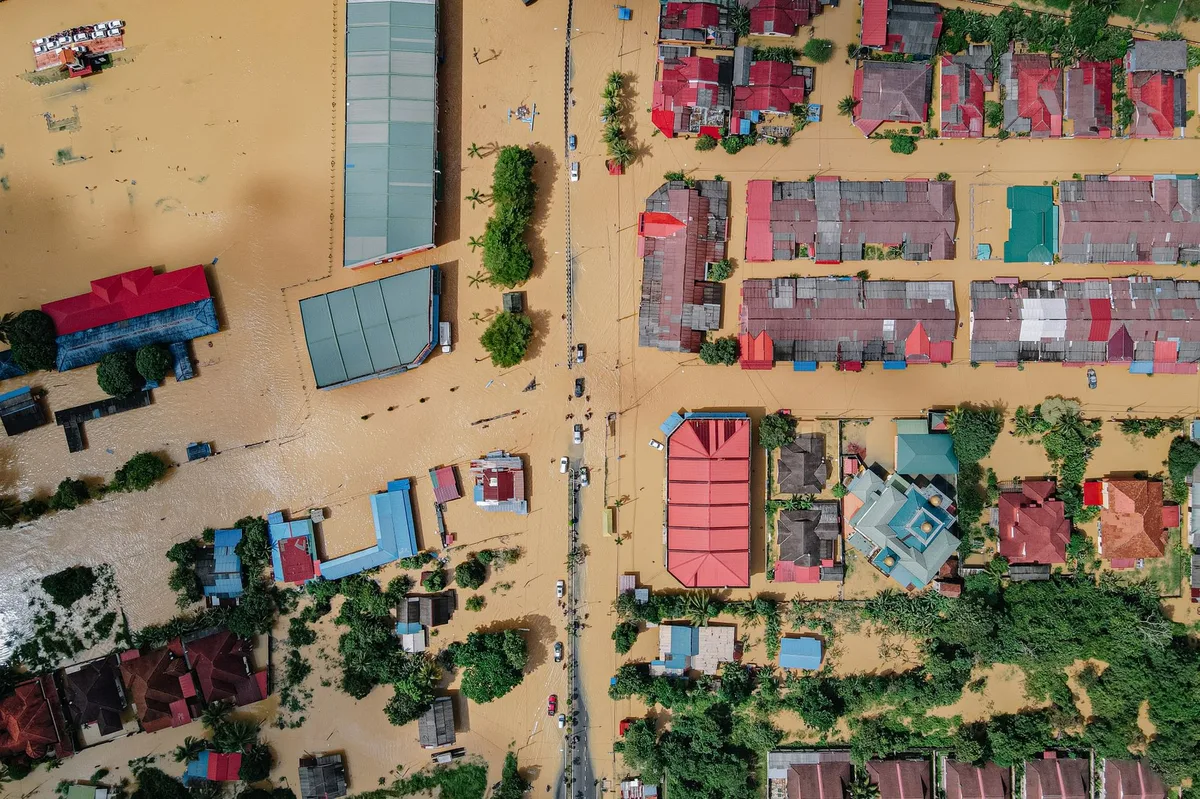
Pexels - Pok Rie · original
In this article
Key Takeaway
The Pilbara region of Western Australia experiences some of the nation’s highest cyclone exposure yet has among the lowest home insurance uptake rates in the country. Premium costs that can exceed A$10,000 annually, insurer market withdrawal, and perceived low affordability drive the coverage gap, leaving many households severely underinsured or entirely unprotected when cyclones strike.
Why Insurance Uptake Remains Low Despite High Risk
The Pilbara sits directly in Australia’s tropical cyclone belt, with towns such as Port Hedland, Karratha, and Newman facing regular severe weather events during cyclone season (November to April). Despite this exposure, home insurance penetration in the region lags far behind southern metropolitan areas.
According to the Insurance Council of Australia, affordability remains the primary barrier (Insurance Council of Australia, 2026). Annual premiums for standard home and contents policies in cyclone-prone areas of northern Australia frequently reach A$8,000 to A$15,000, compared to A$1,200 to A$2,500 for comparable properties in Perth or Adelaide. For many Pilbara households, the premium alone represents 5 to 10 per cent of annual household income, pricing essential cover out of reach.
Market withdrawal compounds the problem. Several major insurers have reduced their exposure in high-risk northern regions or withdrawn entirely, shrinking the competitive pool and limiting residents’ ability to compare quotes or negotiate better rates.
The Underinsurance Risk
Residents who forego cover or choose inadequate sum insured amounts face severe financial consequences when cyclones cause damage. Without building insurance, homeowners bear the full cost of repairing or rebuilding cyclone-damaged structures. Rebuilding costs in regional Western Australia run significantly higher than metropolitan areas due to distance, labour shortages, and material transport costs.
Underinsurance (where the sum insured falls short of replacement cost) is equally problematic. If your home is insured for A$300,000 but rebuilding after a cyclone would cost A$450,000, you face a A$150,000 shortfall even with a valid policy. As covered in foundational texts such as Principles of Finance, risk transfer through insurance only works effectively when coverage limits match actual exposure.
Contents insurance uptake is similarly low, leaving personal belongings, furniture, and appliances unprotected. After a severe cyclone, total losses for uninsured or underinsured households can reach hundreds of thousands of dollars, with no safety net beyond personal savings or emergency relief grants.
Read also: Australian Homeowners Drop Coverage as Natural Disaster Insurance Costs Rise
Government and Industry Response
The Australian Government and the Insurance Council of Australia have recognised northern Australia’s insurance affordability crisis as a policy priority. Proposed measures include cyclone-specific reinsurance pools to reduce insurer costs, building code improvements to lower risk, and potential premium subsidies for vulnerable households.
ASIC MoneySmart recommends that all homeowners, particularly in high-risk areas, review their insurance annually and confirm that the sum insured reflects current replacement costs, not just purchase price or market value (ASIC MoneySmart, 2026). Agreed value policies lock in the payout amount upfront, while market value policies adjust for depreciation, an important distinction when assessing quotes.
What Pilbara Residents Should Do
If you own or rent property in the Pilbara, obtain at least three quotes from insurers actively writing policies in cyclone-prone areas. Read each Product Disclosure Statement (PDS) carefully to understand what cyclone damage is covered, what exclusions apply, and whether flood damage from storm surge is included or requires separate cover.
If premiums remain unaffordable, contact the Australian Financial Complaints Authority (AFCA) or your insurer to explore payment plans, higher excess options (which reduce premiums), or eligibility for government assistance programs as they become available. Never assume you are uninsurable: the market changes, and new programs targeting northern Australia continue to emerge.
Renters should prioritise contents insurance even if building cover is beyond reach. Replacing personal belongings after a cyclone is expensive, and contents policies in the Pilbara can start from A$800 to A$1,500 annually depending on sum insured and excess.
General Advice Warning
This article provides general information only and does not take into account your personal objectives, financial situation, or needs. Before making any insurance decision, consider whether the information is appropriate for you, read the relevant Product Disclosure Statement (PDS) and Target Market Determination (TMD), and consider obtaining personal advice from a licensed insurance adviser or financial planner. Cyclone cover, exclusions, premiums, and availability vary by insurer, property location, construction type, and individual circumstances. Premium figures and policy terms cited are indicative as of October 2026; always verify current rates and terms in the PDS or directly with insurers and licensed advisers before purchasing or renewing cover.
Sources
- Insurance (accessed )
- Consumer Resources (accessed )
- Australian Government (accessed )
- Principles of Finance (accessed )
Related articles
The Home Insurance Crisis Facing Australia in 2026: Climate Change Impacts
Climate change drives Australia's home insurance crisis with soaring premiums, insurer exits, and uninsurable areas. What it means for homeowners.
Why Northern WA Has the Highest Home Insurance Premiums in Australia
Northern WA home insurance premiums are the highest in Australia due to cyclone risk, flood exposure, and remote building costs. Understand the drivers and your options.
Australian Homeowners Drop Coverage as Natural Disaster Insurance Costs Rise
Australian homeowners in high-risk areas are dropping home insurance as premiums surge. Understand the risks and what's being done to improve affordability.
