Australia Cyclone Pool Mitigation Discounts Reach $6.8m: How Property Resilience Lowers Premiums
Cumulative mitigation discounts under Australia's cyclone reinsurance pool have reached $6.8 million, rewarding property owners who harden their homes against severe weather.

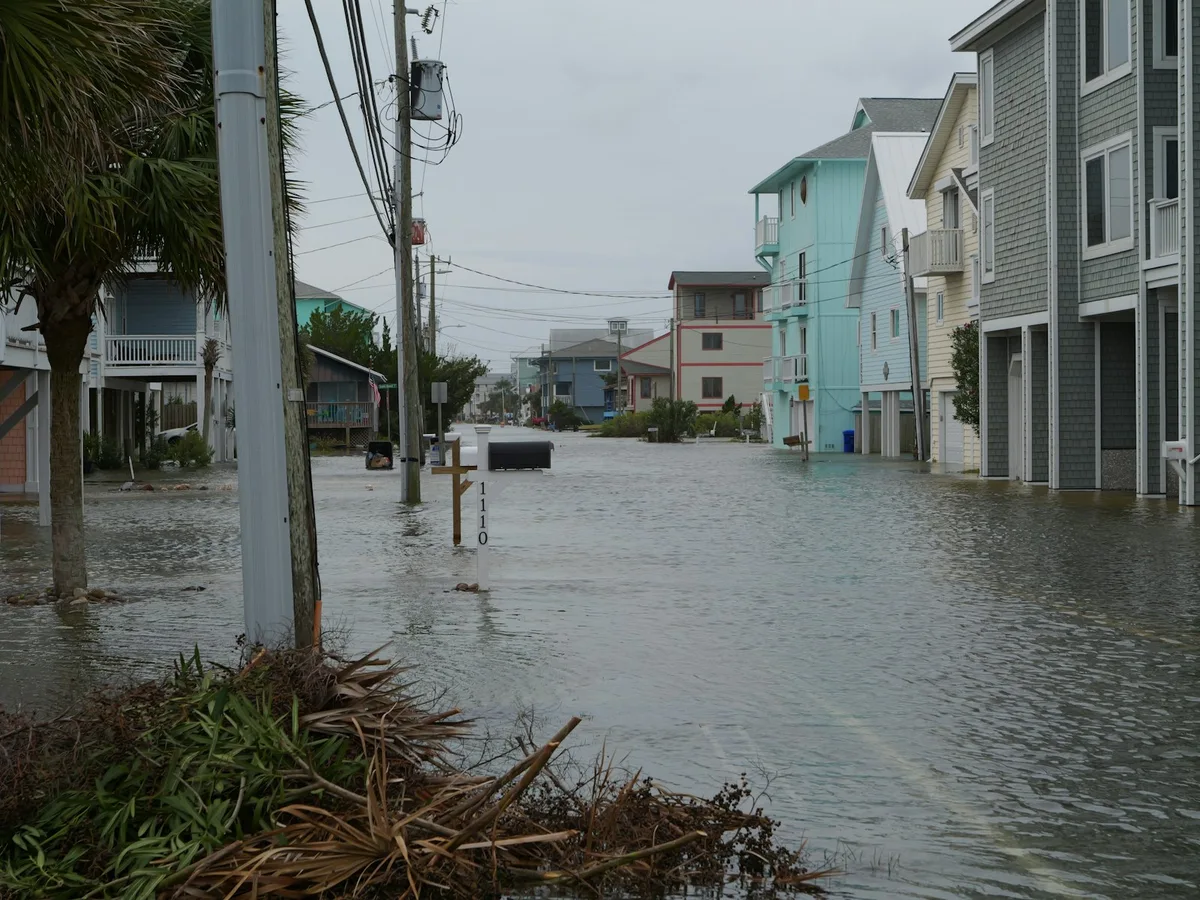
Pexels - Mathias Reding · original
In this article
Key Takeaway
Cumulative mitigation discounts passed through Australia’s cyclone reinsurance pool have surpassed A$6.8 million. Managed by the Australian Reinsurance Pool Corporation (ARPC), the scheme reduces reinsurance costs for insurers when policyholders strengthen their properties against severe weather. For homeowners and strata managers across North Queensland, the Northern Territory, and northern Western Australia, completing recognised structural upgrades (such as roof tie-downs, window shutters, and garage door bracing) can deliver ongoing savings on home building insurance premiums.
What Are Cyclone Pool Mitigation Discounts?
The cyclone reinsurance pool is an Australian Government initiative administered by the Australian Reinsurance Pool Corporation (ARPC). Backed by an A$10 billion government guarantee, the pool operates on a cost-neutral basis to reduce wholesale reinsurance expenses for general insurers covering cyclone-prone northern regions.
Reinsurance charges levied on participating insurers are not uniform. Instead, the ARPC applies risk rating formulas that assess building characteristics. When a policyholder completes certified resilience improvements, the ARPC discounts the underlying cyclone reinsurance rate for that property. Insurers pass these savings through to consumers by reducing the cyclone portion of the home building premium. Reaching the A$6.8 million milestone demonstrates that thousands of residential and strata policyholders are now benefiting from verified physical risk reduction.
Why the $6.8 Million Milestone Matters
In northern Australia, severe cyclone exposure has historically driven building insurance premiums substantially above the national average. In vulnerable coastal communities, high premiums have contributed to underinsurance and strained household budgets.
Mitigation discounts represent a fundamental shift in disaster policy. Rather than relying solely on post-disaster recovery funding, the pool directly rewards proactive risk reduction before a storm arrives. As established in foundational risk management frameworks, including Principles of Finance (OpenStax), mitigating physical vulnerability lowers the expected frequency and severity of claims, creating genuine economic scope for ongoing premium discounts.
According to the Insurance Council of Australia, physical property resilience remains the most dependable long-term mechanism for mitigating catastrophe insurance costs (Insurance Council of Australia, 2026). Every dollar distributed in mitigation discounts represents a building better prepared to resist roof failure, water ingress, and structural collapse during a tropical cyclone.
Qualifying Upgrades That Trigger Discounts
Discounts do not apply to cosmetic renovations. The ARPC pricing formula assesses specific building components that engineering data identifies as common failure points during severe wind events:
- Roof structure and coverings: Retrofitting structural tie-downs, over-battens, or upgrading to cyclone-rated metal sheet roofing fastened to current Australian building standards.
- Window and opening protection: Installing tested cyclone shutters, impact-resistant security screens, or engineered debris barriers over exterior windows and glass doors.
- Garage door reinforcement: Replacing non-cyclonic roller doors with wind-rated doors or fitting certified vertical bracing systems to prevent blowout under cyclonic pressure.
- Structural anchoring: Retrofitting heavy-duty tie-down straps or anchor rods connecting roof trusses directly into wall frames and foundations.
Many property owners in Queensland have funded these upgrades by combining private funds with state-backed support, such as the Queensland Household Resilience Program.
Read also: How the Cyclone Reinsurance Pool Supports Insurance Availability in Australia
Worked Example: Premium Impact in Northern Australia
To understand how mitigation affects your renewal, consider a representative freestanding home in Townsville or Cairns.
Suppose a homeowner holds a comprehensive building insurance policy with an annual premium of A$3,600. The premium consists of multiple components: base fire and theft cover, public liability, the cyclone risk loading, insurer administrative expenses, and statutory stamp duty.
In high-exposure wind regions, the cyclone component frequently accounts for 40% to 60% of the total base premium (approximately A$1,800 in this scenario).
- Legacy construction without mitigation: The insurer classifies the house as standard older construction without enhanced wind ties. The cyclone risk loading remains at A$1,800.
- Upgraded property with certified mitigation: The owner installs cyclone-rated window shutters and reinforces roof battens. Under the ARPC framework, the property qualifies for an 18% mitigation discount on its cyclone reinsurance rating.
- Direct savings: The cyclone component decreases by approximately A$324. When combined with insurer pass-through adjustments and lower stamp duty on the reduced base, the homeowner achieves an annual saving of around A$360.
Over a five-year period, these recurring savings deliver A$1,800 in cumulative relief, directly offsetting the initial installation cost.
How to Ensure Your Insurer Applies Your Discount
Insurers do not automatically know when a home has been upgraded. Policyholders must take proactive steps to ensure improvements are recognised:
- Collect certified documentation: Obtain compliance certificates, engineering sign-offs, and receipts from licensed builders confirming that works meet relevant wind-loading standards.
- Provide complete details at renewal: When completing renewal questionnaires or seeking quotes, answer all questions regarding roof construction, tie-downs, and window protection thoroughly.
- Compare multiple insurers: While general insurers must participate in the pool under Australian Prudential Regulation Authority (APRA) transition guidelines, individual insurers apply ARPC rating data through their own proprietary pricing algorithms. According to ASIC MoneySmart, obtaining multiple quotes from different providers is essential to confirm which insurer offers the best combination of coverage and mitigation discounts (MoneySmart, 2026).
- Review policy documentation: Check your Product Disclosure Statement (PDS) and Target Market Determination (TMD) to verify your coverage limits, sum insured, and applicable excess for named cyclone events.
If an insurer fails to recognise certified mitigation upgrades, request a formal underwriting review. If an unresolved dispute arises, you can lodge a complaint with the Australian Financial Complaints Authority (AFCA).
General Advice Warning
This article provides general information only and does not take into account your personal objectives, financial situation, or individual insurance needs. Insurance pricing, eligibility criteria, and mitigation discount tiers vary between individual insurers, policy types, and geographic locations. Figures and scheme rules cited are current as of October 2026; verify current terms in the relevant Product Disclosure Statement (PDS) and Target Market Determination (TMD) or consult a licensed general insurance adviser before making any financial decisions.
Sources
- Consumer Resources and Disaster Resilience (accessed )
- Home and Contents Insurance (accessed )
- General Insurance Regulation and Capital Standards (accessed )
- Principles of Finance (accessed )
Related articles
How the Cyclone Reinsurance Pool Supports Insurance Availability in Australia
Learn how Australia's Cyclone Reinsurance Pool keeps home insurance available and affordable in high-risk cyclone areas through shared catastrophic risk.

How Australia's Cyclone Reinsurance Pool Keeps Home Insurance Affordable
Australia's cyclone reinsurance pool reduces home insurance premiums in cyclone-prone areas by up to 46% through government-backed risk sharing.
Sum Insured vs Total Replacement in Home Insurance in Australia
Learn the critical difference between sum insured and total replacement cover in Australian home and contents insurance to avoid underinsurance.
