How the Cyclone Reinsurance Pool Supports Insurance Availability in Australia
The Australian Cyclone Reinsurance Pool helps keep home insurance accessible and affordable in cyclone-prone regions by sharing catastrophic risk across the industry.
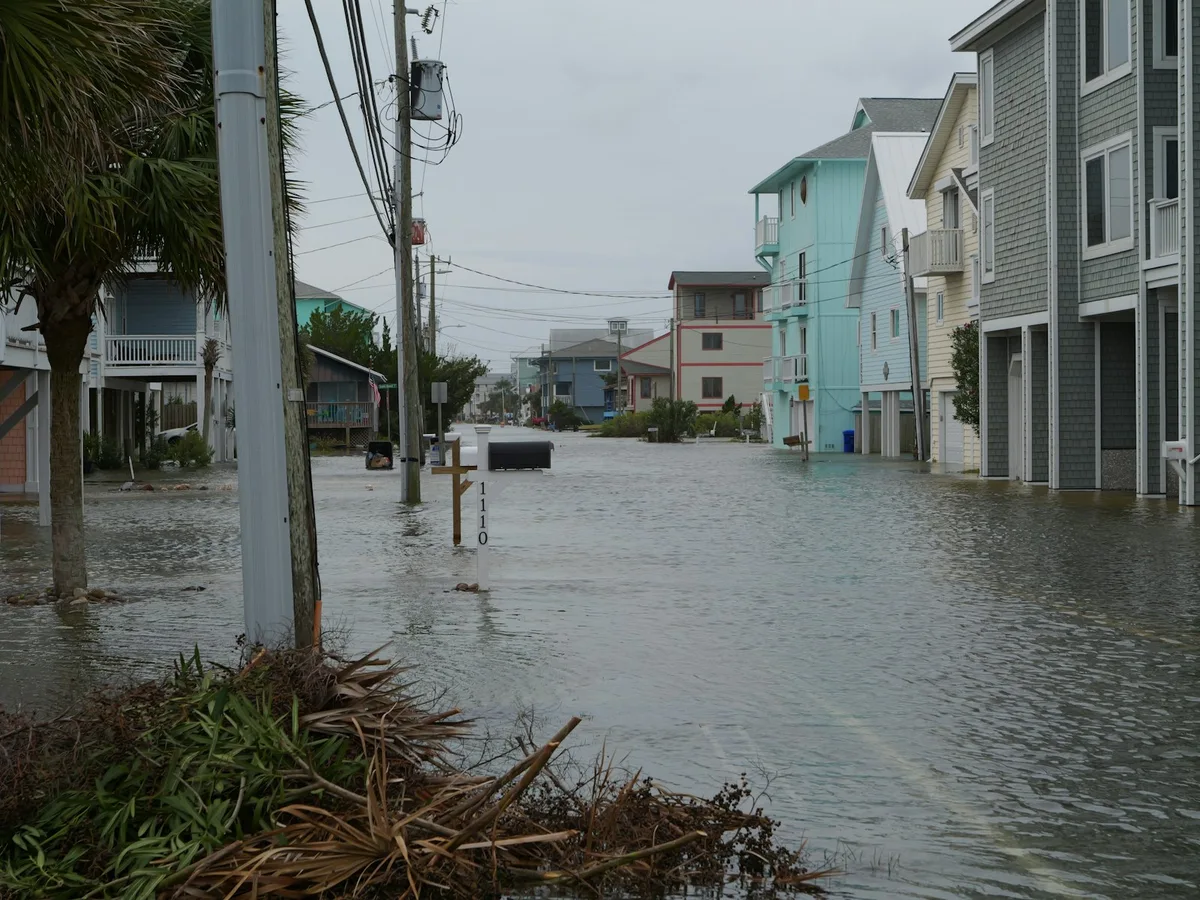
Unsplash - Richard R · original
In this article
Key Takeaway
The Australian Cyclone Reinsurance Pool is a government-backed scheme that helps keep home, strata, and small business insurance available and affordable in cyclone-prone regions, particularly across northern Australia. By pooling catastrophic cyclone risk and providing reinsurance to insurers at lower cost, the scheme reduces premiums for policyholders in high-risk areas and encourages insurers to continue offering cover where they might otherwise withdraw.
Introduction
For Australians living in cyclone-prone regions, securing affordable home insurance has historically been a challenge. Insurers in northern Australia, Queensland, Western Australia, and the Northern Territory faced enormous potential losses from cyclones, leading to sky-high premiums or complete withdrawal from certain postcodes. The Australian Cyclone Reinsurance Pool, established in 2022 and managed by the Australian Reinsurance Pool Corporation (ARPC), was created to address this crisis by sharing catastrophic risk across the insurance industry and making cover more accessible to households and small businesses in higher-risk areas.
What Is the Cyclone Reinsurance Pool
The Cyclone Reinsurance Pool is a government-backed reinsurance scheme that provides insurers with access to lower-cost reinsurance for cyclone-related claims. Reinsurance is insurance for insurers: it protects them against large, catastrophic losses by transferring part of the risk to a reinsurer. Under the pool, participating insurers can purchase cyclone reinsurance from the ARPC at rates below what they would pay on the global reinsurance market. This reduces the insurer’s cost of covering cyclone risk, which in turn allows them to offer lower premiums to policyholders in affected areas.
The scheme covers residential, strata, and small business property insurance for buildings and contents. It applies to cyclone damage specifically, including wind damage, storm surge, and flooding caused by a declared cyclone event. Insurers that participate in the pool must pass the savings on to customers in eligible postcodes.
Why the Pool Was Created
Before the pool existed, insurers operating in northern Australia faced two major challenges. First, global reinsurance markets charged high premiums to cover Australian cyclone risk, reflecting the region’s exposure to severe tropical storms and the concentration of insured properties in coastal areas. Second, the cost of reinsurance was rising, particularly after major cyclone events like Cyclone Yasi in 2011 and Cyclone Debbie in 2017 demonstrated the scale of potential losses.
These factors led to a crisis in insurance availability. Some insurers withdrew from high-risk areas altogether, while others raised premiums to levels that many households could not afford. According to the Insurance Council of Australia, premiums in some northern Queensland postcodes had tripled over a decade, leaving many properties underinsured or uninsured.
The Australian Government established the Cyclone Reinsurance Pool to stabilise the market, keep insurance available, and reduce the financial burden on residents and businesses in cyclone-prone regions. The scheme addresses a market failure: cyclone risk is highly concentrated geographically, making it difficult for individual insurers to manage without prohibitively expensive reinsurance.
How the Pool Works
The pool operates as a reinsurance layer. Insurers continue to underwrite and issue home, strata, and small business policies directly to customers, and they retain the first layer of risk (the retention). For claims above that retention, insurers can draw on the pool to cover losses up to a specified limit. The ARPC charges insurers a premium for access to the pool, which is set at a rate intended to be lower than global reinsurance market rates.
The pool is backed by a government guarantee. If cyclone losses in a given year exceed the pool’s capacity, the Australian Government steps in to cover the excess, ensuring that claims are paid. This government backing allows the ARPC to offer reinsurance at a lower cost than private markets, which must price in a profit margin and capital requirements.
Insurers that choose to participate in the pool are required to pass the benefit of lower reinsurance costs on to policyholders in eligible postcodes. The Australian Prudential Regulation Authority (APRA) and the Australian Securities and Investments Commission (ASIC) oversee compliance to ensure that premium reductions reach consumers.
Which Areas Benefit
The pool applies to properties in postcodes across northern Australia that are exposed to cyclone risk. This includes large parts of Queensland, the Northern Territory, and Western Australia, covering both metropolitan and regional areas. The exact list of eligible postcodes is published by the ARPC and updated as risk modelling and data improve.
Read also: Understanding the Cyclone Reinsurance Pool and Premium Relief in Australia
Households, strata schemes, and small businesses with annual turnover below A$100 million (as of 2026) are eligible. The scheme covers building insurance, contents insurance, and combined policies for these property types. It does not cover commercial property insurance for larger businesses, nor does it apply to other perils like earthquake or bushfire.
Impact on Premiums and Availability
Since the pool’s introduction, insurers have reported premium reductions for eligible policyholders. The magnitude of the reduction varies by postcode, insurer, and property characteristics, but reductions of 20 to 30 per cent have been observed in some high-risk areas. The pool has also encouraged some insurers to re-enter markets they had previously exited, improving choice and competition.
However, the pool does not eliminate cyclone risk or make insurance free. Premiums in cyclone-prone areas remain higher than in lower-risk regions, reflecting the underlying exposure. The pool reduces the cost of catastrophic reinsurance, but insurers still price for expected claims, deductibles (excesses), and administrative costs. Policyholders should compare policies, review their sum insured and excess levels, and read the Product Disclosure Statement (PDS) to understand what is and is not covered.
The scheme’s long-term sustainability depends on claim experience and the accuracy of risk modelling. If major cyclones cause losses that exceed the pool’s capacity, the government guarantee ensures claims are paid, but this could lead to future adjustments in how the pool is funded or priced.
Considerations for Policyholders
If you live in a cyclone-prone area, check whether your postcode is eligible for the pool and confirm that your insurer participates. Most major insurers operating in northern Australia have joined the scheme. Compare premiums, cover limits, and exclusions across multiple insurers to ensure you are getting the best value.
Review your policy’s cyclone cover carefully. Some policies exclude certain types of cyclone damage or impose higher excesses for cyclone claims. The PDS and Target Market Determination (TMD) outline what is covered and under what conditions. If you are unsure whether your cover is adequate, consider obtaining advice from a licensed insurance adviser who can assess your property’s risk and your financial circumstances.
The pool is designed to make insurance more affordable, but it does not replace the need for adequate cover. Underinsurance remains a significant issue in cyclone-prone regions. Ensure your sum insured reflects the full replacement cost of your building and contents, as insurers will only pay up to the sum insured, even if actual rebuilding costs are higher.
Conclusion
The Australian Cyclone Reinsurance Pool represents a significant intervention in the insurance market, addressing a long-standing problem of affordability and availability in cyclone-prone regions. By providing lower-cost reinsurance to insurers and requiring them to pass the savings on to policyholders, the scheme has reduced premiums and improved access to cover in northern Australia. While it does not eliminate cyclone risk or make insurance universally affordable, it has stabilised a market that was in crisis and given households and small businesses a better chance of obtaining the cover they need.
Policyholders should take advantage of the pool by comparing policies, ensuring their cover is adequate, and reviewing their PDS and TMD. For personal advice on your insurance needs, consult a licensed insurance adviser.
General Advice Warning: This information is general in nature and does not take into account your objectives, financial situation, or needs. Before acting on it, consider whether it is appropriate for you and read the relevant Product Disclosure Statement (PDS). Consider obtaining personal advice from a licensed insurance adviser. Coverage, exclusions, and availability vary by insurer and by state or territory. Verify current terms in the PDS or with a licensed adviser before deciding.
Sources
- Insurance Council of Australia Consumer Resources (accessed )
- Australian Prudential Regulation Authority (accessed )
- Australian Government Information and Services (accessed )
- Principles of Finance (accessed )
Related articles
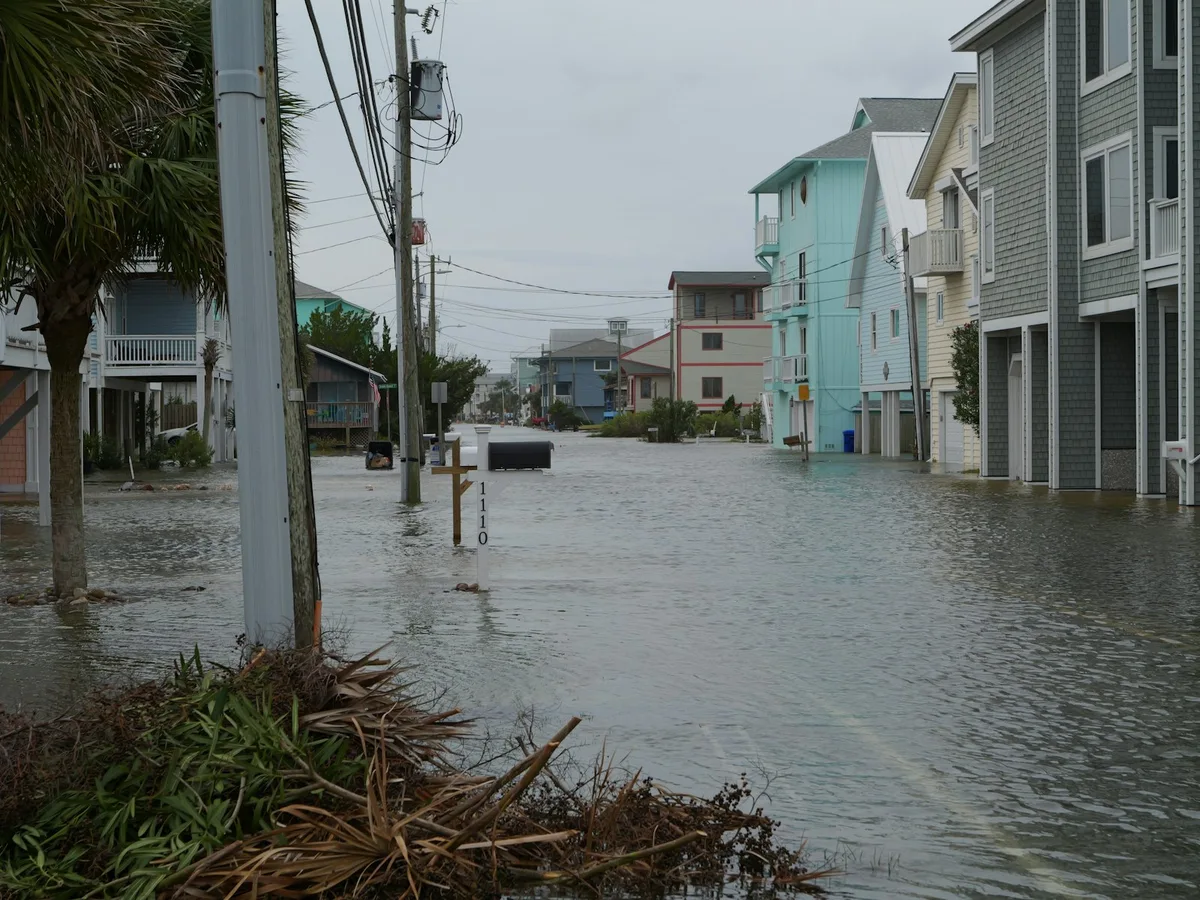
Understanding the Cyclone Reinsurance Pool and Premium Relief in Australia
The Australian Cyclone Reinsurance Pool has reduced premiums in cyclone-prone areas, but affordability pressures persist for many northern households.
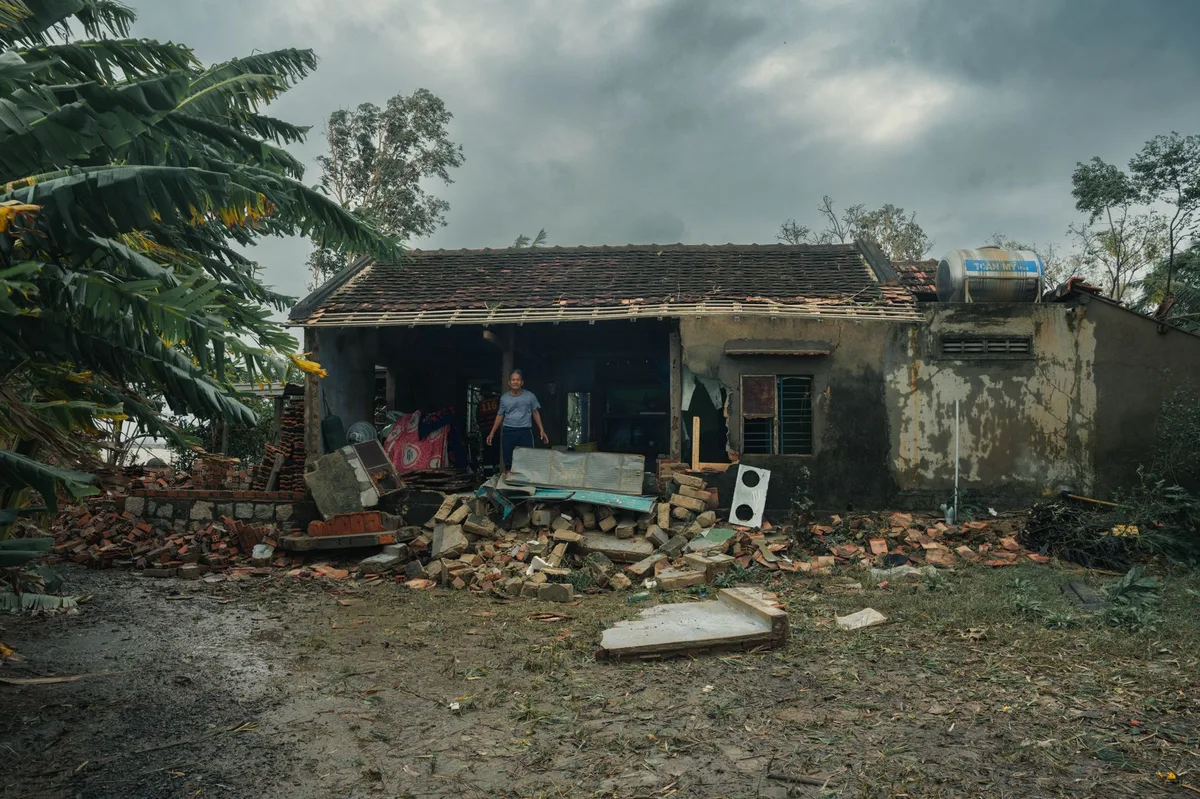
How the Cyclone Reinsurance Pool Cuts Premiums in Australia
The ACCC confirms Australia's cyclone reinsurance pool has reduced home insurance premiums in high-risk northern areas. Learn how it works.
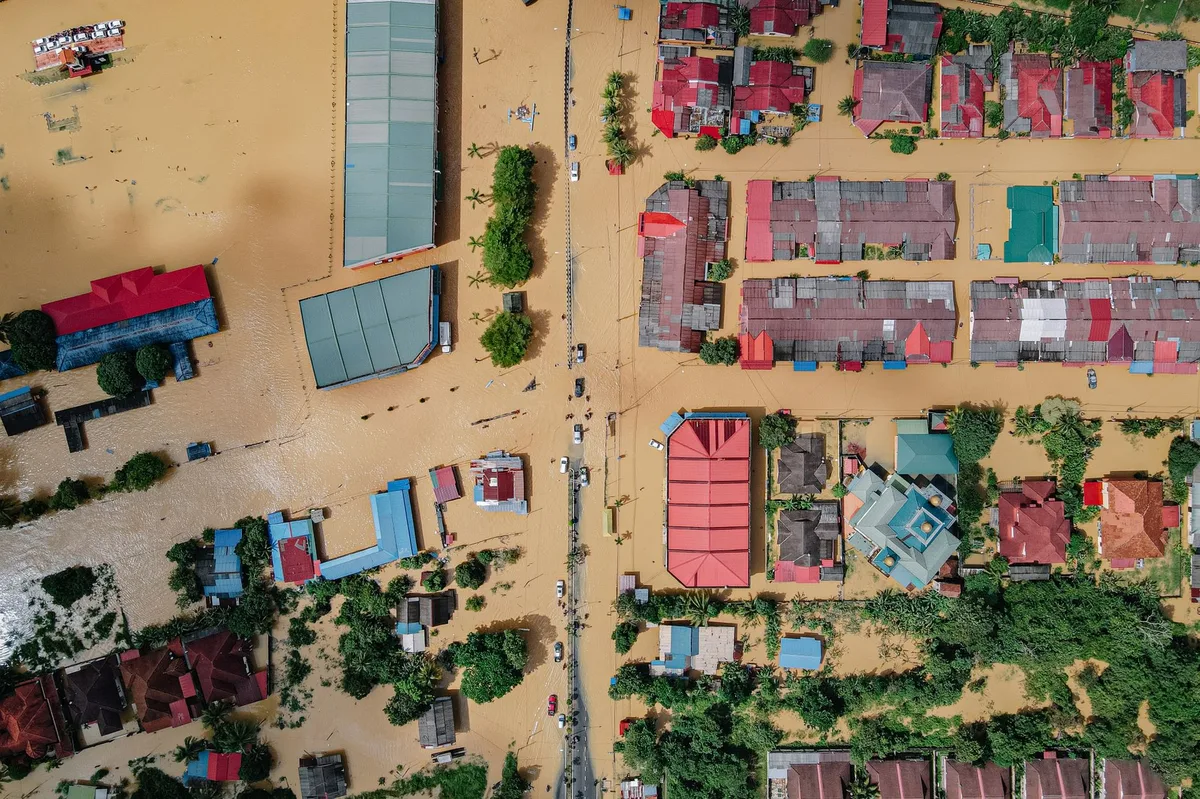
How Australia's Cyclone Reinsurance Pool Keeps Home Insurance Affordable
Australia's cyclone reinsurance pool reduces home insurance premiums in cyclone-prone areas by up to 46% through government-backed risk sharing.
