Renters Contents Insurance in Australia: What Tenants Need to Know
Contents insurance protects your belongings in a rental property. Learn what it covers, why landlord policies don't protect you, and how to choose the right level of cover.
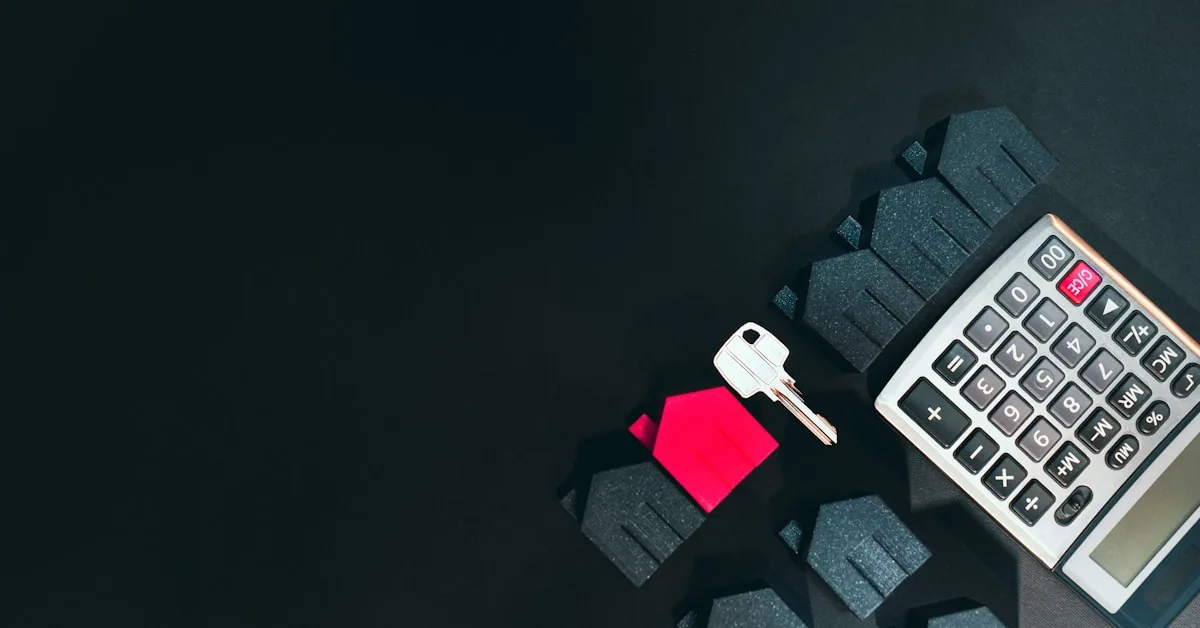
Pexels - cottonbro studio · original
In this article
Key takeaway: As a renter in Australia, your landlord’s home insurance only covers the building, not your belongings. Contents insurance protects your furniture, electronics, clothing, and personal items against theft, fire, storm damage, and other risks. It typically costs A$15 to A$50 per month depending on your total cover amount and excess, and most policies include optional liability cover for accidental damage you cause to others’ property.
What is Contents Insurance for Renters?
Contents insurance covers your personal belongings inside a rental property. This includes furniture, appliances, electronics, clothing, kitchenware, sports equipment, and valuables. The policy pays to repair or replace these items if they are damaged, destroyed, or stolen due to a covered event.
Many renters mistakenly assume their landlord’s insurance protects them. It does not. The landlord’s policy covers the building structure (walls, roof, fixed fixtures), but your possessions are your responsibility. According to ASIC MoneySmart, contents insurance is the tenant’s own decision and cost (MoneySmart, 2026).
Contents insurance is separate from renters liability insurance, though most contents policies include optional liability cover. This protects you if you accidentally damage the landlord’s property (for example, a kitchen fire that damages benchtops) or injure someone in your rental.
Why Renters Need Contents Insurance
The value of your belongings adds up quickly. A modest rental apartment might contain A$20,000 to A$50,000 worth of furniture, electronics, clothing, and personal items. Losing everything in a fire, flood, or burglary would be financially devastating without cover.
Common risks that contents insurance protects against include:
- Theft and burglary: Break-ins are a genuine risk, especially in urban areas and ground-floor units.
- Fire and smoke damage: A kitchen fire or an electrical fault can destroy your possessions even if the building structure survives.
- Storm and water damage: Severe weather, burst pipes, or a leaking roof can ruin furniture, electronics, and clothing.
- Accidental damage: Some policies cover accidental damage to your own items (for example, dropping a laptop or spilling wine on a sofa), though this is often an optional extra.
Contents insurance also provides peace of mind. If disaster strikes, you can replace essential items without draining your savings or going into debt.
How Contents Insurance Works in Australia
Choosing Your Sum Insured
The sum insured is the maximum amount the insurer will pay for a total loss. You choose this figure based on the replacement value of all your belongings. Underinsuring (choosing a sum insured below the true value) is a common mistake. If you insure A$30,000 of contents but actually own A$50,000 worth, the insurer may reduce your claim payout proportionally.
Walk through your rental and list every item, from large furniture down to kitchen utensils, clothing, and electronics. Online calculators from insurers and consumer organisations can help you estimate your total.
Excess
The excess is the amount you pay toward each claim before the insurer covers the rest. A typical excess ranges from A$200 to A$1,000. Choosing a higher excess lowers your premium but means you pay more out of pocket when you claim. Balance affordability with the risk of needing to claim.
What is Covered
Standard contents policies cover sudden, unexpected events (insured events) such as fire, theft, storm damage, water damage from burst pipes, vandalism, and impact (for example, a vehicle hitting the building). Most policies also cover your belongings temporarily away from the rental (for example, a laptop stolen from your car, up to a set limit).
What is Not Covered
Common exclusions include:
- Wear and tear, gradual damage, or deterioration: Contents insurance does not cover items that break down over time or are poorly maintained.
- Flood: Many standard policies exclude flood damage (defined as water overflowing from rivers, creeks, or stormwater systems). You must add flood cover as an optional extra if your rental is in a flood-prone area.
- High-value items above the single-item limit: Most policies cap payouts for individual items (for example, A$2,000 for jewellery or A$5,000 for electronics). If you own expensive items, you need to specify them separately and pay an additional premium.
- Deliberate or reckless damage: The policy will not pay if you or someone in your household intentionally damages your belongings.
Always read the Product Disclosure Statement (PDS) and the Target Market Determination (TMD) before buying. The PDS lists all covered events, exclusions, limits, and conditions. The TMD describes who the policy is designed for, helping you confirm it suits your situation.
Read also: Contents Insurance for Renters in Australia: What Tenants Need to Know
Premiums
Premiums vary based on your sum insured, excess, location, and optional extras (such as flood cover or accidental damage). A renter insuring A$30,000 of contents with a A$500 excess typically pays A$15 to A$30 per month, though premiums are higher in areas with higher theft or natural disaster risk.
You can reduce premiums by choosing a higher excess, installing security measures (deadlocks, window locks, alarms), and bundling contents insurance with car insurance from the same insurer (some offer multi-policy discounts).
Making a Claim
If your belongings are damaged, destroyed, or stolen, contact your insurer as soon as possible. For theft, file a police report first (the insurer will ask for the report number). Provide the insurer with photos, receipts, or proof of ownership where possible. The insurer assesses the claim and either pays for repairs, replaces the items, or gives you a cash settlement.
Settlement can be on a replacement basis (the cost to buy a new equivalent item) or an indemnity basis (the depreciated value of the old item). Replacement cover is more expensive but gives better payouts.
Key Considerations for Australian Renters
As outlined in foundational texts such as Introduction to Business, insurance is a risk management tool that transfers financial loss from the individual to the insurer in exchange for a premium. For renters, contents insurance is one of the most accessible and affordable forms of personal financial protection.
Before buying, confirm your rental’s postcode and building type (apartment, house, unit) with the insurer. Some insurers charge higher premiums for apartments above a certain floor (due to fire risk) or in postcodes with higher theft rates.
Check whether your policy covers share-house arrangements. If you share the rental with housemates, a standard contents policy typically covers only your own belongings, not theirs. Each tenant should arrange their own policy, or you can explore shared policies if the insurer offers them.
If you work from home, confirm whether your policy covers business equipment (laptops, monitors, office furniture). Standard contents policies often exclude or limit cover for items used primarily for business purposes. You may need to add business cover or arrange separate business insurance.
If you disagree with a claim decision or believe the insurer has treated you unfairly, you can lodge a complaint with the Australian Financial Complaints Authority (AFCA), which provides free, independent dispute resolution (AFCA, 2026).
Conclusion
Renters contents insurance is a practical, affordable safeguard for your belongings in Australia. It fills the gap left by your landlord’s policy, which protects only the building structure. With cover starting from around A$15 per month, it offers financial protection against theft, fire, storm damage, and other unexpected losses.
Before buying, calculate the replacement value of your belongings honestly, read the PDS and TMD carefully, and confirm what is and is not covered. Choose a sum insured and excess that balance affordability with adequate protection, and consider optional extras such as flood cover or liability cover based on your rental location and circumstances.
To find a policy suited to your needs, compare quotes from multiple insurers using the resources at the Insurance Council of Australia (ICA, 2026) or consult a licensed insurance adviser.
General Advice Warning: This article provides general information only. It does not take into account your objectives, financial situation, or needs. Before acting on this information, consider whether it is appropriate for you and read the relevant Product Disclosure Statement (PDS) and Target Market Determination (TMD). Consider obtaining personal advice from a licensed insurance adviser or financial adviser before making decisions about contents insurance. Cover terms, exclusions, premiums, and availability vary by insurer and location; verify current details in the PDS or with a licensed adviser before deciding.
Sources
- Insurance (accessed )
- Consumer Resources (accessed )
- Make a Complaint (accessed )
- Introduction to Business (accessed )
Related articles

Contents Insurance for Renters in Australia: What Tenants Need to Know
Learn what contents insurance covers for Australian renters, how much you need, and how to choose the right policy to protect your belongings.

How to Manage Specified Items on Contents Insurance in Australia
Master specified items on Australian contents insurance: learn coverage limits, valuation methods, and how to properly declare high-value possessions.

How to Insure High-Value Items and Jewellery on Your Contents Policy
Protect expensive jewellery and valuables with specified items cover on your Australian contents policy. Step-by-step guide to valuations, limits, and PDS requirements.
