Australia's Cyclone Pool: Why Business Interruption Cover for SMEs Still Costs More
The cyclone reinsurance pool has delivered premium relief for property cover, but small and medium enterprises still face high costs for business interruption insurance.

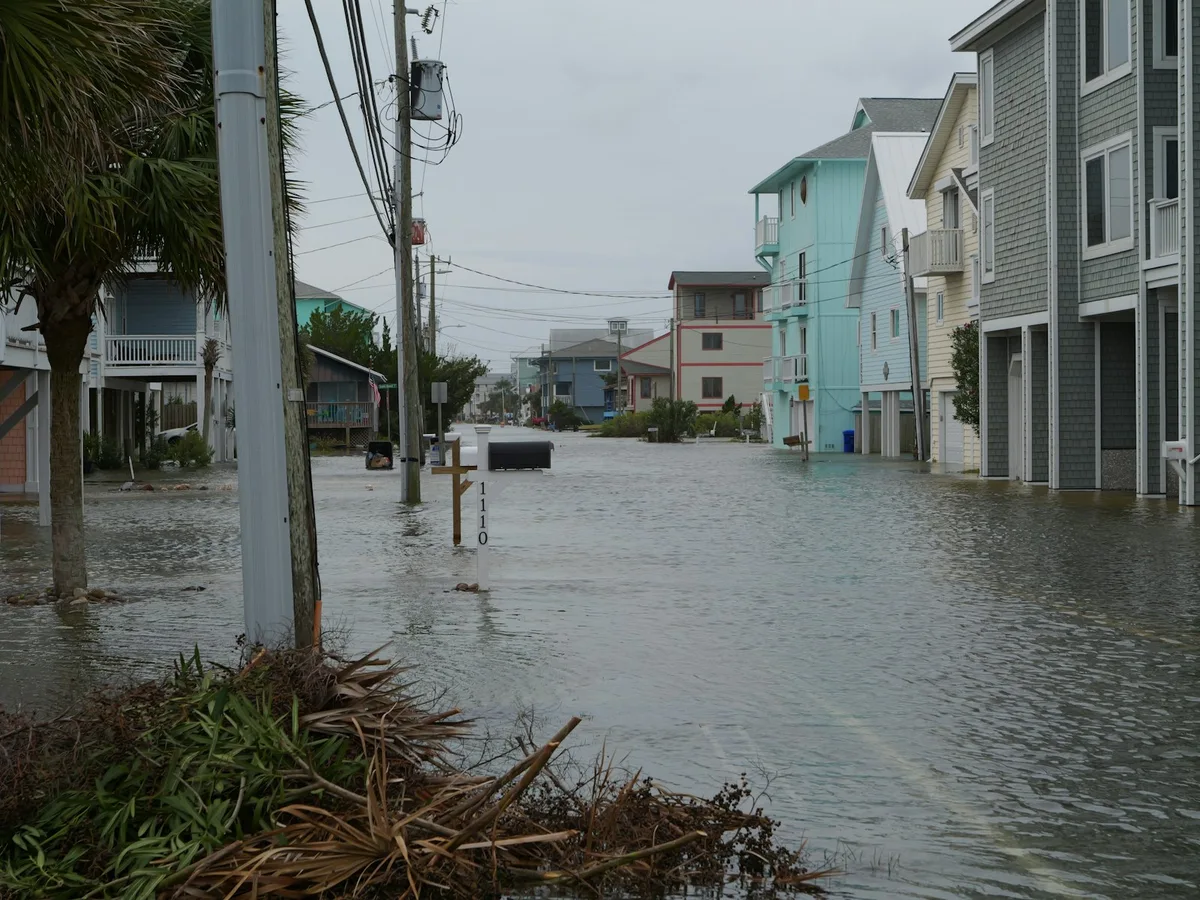
Unsplash - Roger Starnes Sr · original
In this article
Key takeaway: Australia’s cyclone reinsurance pool, managed by the Australian Reinsurance Pool Corporation (ARPC), was designed to reduce insurance premiums in cyclone-prone areas by providing government-backed reinsurance for property damage. While the scheme has delivered premium relief for residential and commercial property cover, it does not yet extend to business interruption insurance for small and medium enterprises (SMEs), leaving these businesses exposed to high premiums and coverage gaps when cyclones strike.
What the Cyclone Reinsurance Pool Is
The cyclone reinsurance pool, officially known as the Cyclone and Related Flooding Damage Reinsurance Pool, commenced on 1 July 2022. The Australian Government established this scheme in response to soaring insurance premiums and reduced availability of cover in northern Australia, where cyclones and related flooding pose significant risks. According to the Australian Reinsurance Pool Corporation (ARPC, 2026), the pool functions as a government-backed reinsurance mechanism that allows insurers to transfer some of their cyclone risk to the Commonwealth.
The pool works by providing reinsurance to insurers who offer eligible cyclone cover in declared cyclone areas. When an insurer sells a policy covering cyclone damage, they can cede part of that risk to the pool, reducing their own exposure and allowing them to offer lower premiums to policyholders. The scheme covers residential properties, strata properties, and eligible small business premises against cyclone and cyclone-related flood damage.
As explained in foundational texts on insurance principles such as Principles of Finance, risk pooling and reinsurance mechanisms spread catastrophic risks across a broader base, reducing the financial burden on individual insurers and ultimately making cover more affordable and accessible for consumers. The cyclone pool applies this principle on a national scale with government backing.
What Coverage the Pool Provides
The cyclone pool provides reinsurance for property damage caused by cyclones and related flooding. This includes:
- Residential buildings: Houses, units, and their permanent fixtures and fittings.
- Contents: Household contents insured under home and contents policies.
- Strata buildings: Common property and shared facilities in strata schemes.
- Eligible small business premises: Buildings and contents for qualifying small businesses.
When a cyclone strikes and causes direct physical damage to an insured property, the pool backstops the insurer’s claim costs above a certain retention level. This government backing has allowed many insurers to reduce premiums, particularly in Far North Queensland, the Northern Territory, and parts of Western Australia where cyclone risk is highest. Some policyholders have reported premium reductions of 20 to 40 per cent on their property insurance since the pool’s introduction, according to the Insurance Council of Australia (Insurance Council of Australia, 2026).
The pool’s coverage explicitly includes cyclone-related flooding, which was a significant expansion compared to earlier reinsurance arrangements. This means that when a cyclone causes flood damage to an insured building or its contents, and the flood is directly related to the cyclone event, the pool covers it.
The Business Interruption Coverage Gap
Despite the pool’s success in reducing property insurance premiums, business interruption insurance for SMEs remains outside its scope. Business interruption cover (also called loss of revenue or consequential loss cover) compensates a business when it cannot trade due to an insured event. For example, if a cyclone damages a shop or café and forces it to close for repairs, business interruption cover replaces lost income and helps pay ongoing expenses such as wages, rent, and loan repayments.
Business interruption insurance is often sold as an add-on to commercial property policies, but it is priced separately because the risk profile differs. An insurer assessing business interruption risk must consider not just the physical damage, but also factors such as:
- How long repairs will take
- Whether alternative premises are available
- The business’s revenue patterns and seasonal variations
- Supply chain dependencies
- The local economic impact of a widespread cyclone event
Because cyclones can shut down entire regions for weeks or months, the potential business interruption losses can be enormous and difficult to model. Insurers remain cautious about underwriting this cover in cyclone-prone areas, and the cyclone pool’s current design does not extend reinsurance protection to business interruption claims.
As a result, SMEs in northern Australia still face high premiums for business interruption cover, or in some cases cannot obtain it at all. This leaves small businesses vulnerable: even if their building is repaired under their property policy, they may have no financial support for the weeks or months they cannot trade.
Read also: How Australia’s Cyclone Reinsurance Pool Keeps Home Insurance Affordable
Why This Matters for SME Owners
For small and medium enterprises operating in cyclone-prone regions, the exclusion of business interruption cover from the cyclone pool creates a significant protection gap. A cyclone does not just damage buildings; it disrupts entire communities, cuts off access, interrupts supply chains, and displaces customers. A business might have its premises fully insured under a policy that benefits from the cyclone pool’s premium relief, yet still collapse financially because it cannot afford business interruption cover or cannot find an insurer willing to offer it.
Consider a small retail business in Cairns or a tourism operator in the Northern Territory. After a severe cyclone, the building might be repaired within three months, but the business could lose an entire tourism season, face staff retention challenges, and struggle with cash flow during the rebuilding period. Without business interruption cover, the owner may need to rely on personal savings, loans, or government disaster assistance, none of which fully replace the income lost.
According to ASIC MoneySmart (MoneySmart, 2026), business interruption insurance is one of the most valuable covers for SMEs, yet it remains one of the hardest to access in high-risk areas. The cyclone pool was designed to make insurance more affordable and available, but its current scope does not address this critical gap.
What SMEs Should Do
Small business owners in cyclone-prone areas should take the following steps to manage their business interruption risk:
Review your current cover. Check your commercial insurance policy to see whether business interruption cover is included, and if so, what the sum insured and indemnity period are. The indemnity period is how long the policy will pay out after an event; a 12-month indemnity period is common, but longer periods may be necessary in cyclone-affected regions where rebuilding and economic recovery take time. Read the Product Disclosure Statement (PDS) carefully to understand exclusions, waiting periods, and how the sum insured is calculated.
Get quotes from multiple insurers. Business interruption pricing and availability vary significantly between insurers. Some may offer better terms or have access to reinsurance that makes them more willing to cover cyclone risk. A licensed insurance broker who specialises in commercial insurance can help compare options and negotiate terms.
Consider your financial resilience. If business interruption cover is unaffordable or unavailable, work out how long your business could survive without revenue. Build cash reserves, arrange a line of credit, and have a business continuity plan that includes alternative suppliers, premises, and ways to maintain customer contact.
Stay informed about the pool’s expansion. The cyclone pool’s design may evolve. The Australian Government and the ARPC periodically review the scheme’s scope, and there is ongoing industry discussion about whether business interruption cover should be included. Check the ARPC website and industry updates for any changes.
Engage with your industry association. SME industry groups and chambers of commerce in cyclone-prone regions are advocating for broader coverage. Adding your voice to these efforts can help demonstrate the need for reform.
Conclusion
Australia’s cyclone reinsurance pool has achieved its primary goal of reducing property insurance premiums in cyclone-prone areas, making home and commercial building cover more accessible. However, the scheme’s benefits have not yet extended to business interruption insurance for SMEs, leaving a significant gap in protection for small businesses that are often the backbone of regional economies. Until the pool’s scope expands or insurers find other ways to manage business interruption risk, SME owners in northern Australia must carefully assess their cover, plan for financial resilience, and stay engaged with policy developments.
Before making any decisions about business insurance, read the Product Disclosure Statement (PDS) and the Target Market Determination (TMD) for any policy you are considering. This article provides general information only and does not take into account your business’s objectives, financial situation, or needs. Consider whether the information is appropriate for you and seek advice from a licensed insurance adviser or broker who can assess your specific circumstances. Coverage terms, premiums, and availability vary by insurer, location, and business type; always verify current terms before purchasing or renewing cover.
Sources
- Australian Reinsurance Pool Corporation (accessed )
- Insurance Guide (accessed )
- Consumer Resources (accessed )
- Principles of Finance (accessed )
Related articles
How the Cyclone Reinsurance Pool Supports Insurance Availability in Australia
Learn how Australia's Cyclone Reinsurance Pool keeps home insurance available and affordable in high-risk cyclone areas through shared catastrophic risk.
How Australia's Cyclone Reinsurance Pool Keeps Home Insurance Affordable
Australia's cyclone reinsurance pool reduces home insurance premiums in cyclone-prone areas by up to 46% through government-backed risk sharing.

Australia Cyclone Pool Mitigation Discounts Reach $6.8m: How Property Resilience Lowers Premiums
Australia cyclone pool mitigation discounts have hit $6.8m. Learn how home hardening in Northern Australia cuts your building insurance premium.
