Cyclone Alfred: Is It Too Late to Get Home Insurance in Australia?
If Cyclone Alfred is bearing down on your area and you don't have home insurance, you've likely missed the window to get new cover or make changes to existing policies.
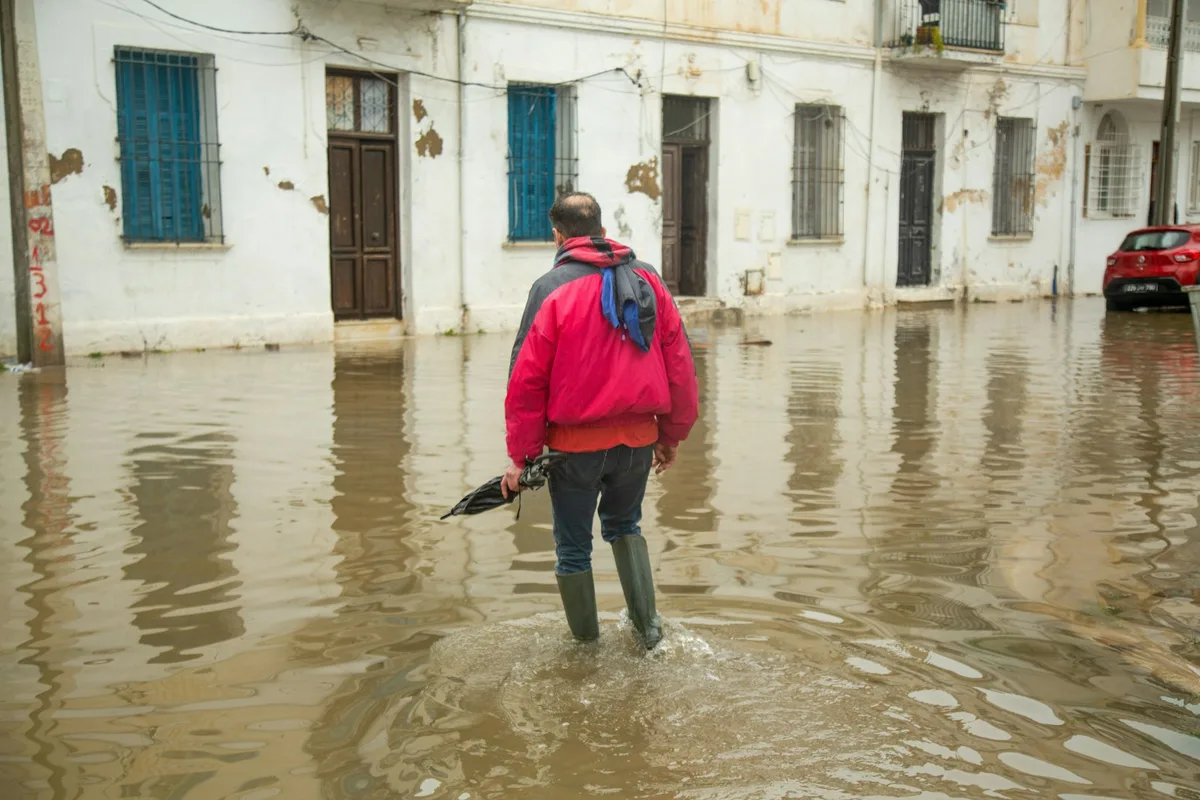
Unsplash - Hasan Mrad · original
In this article
The Short Answer
Once a cyclone like Alfred has been officially named and declared by the Bureau of Meteorology, Australian insurers typically suspend new home insurance policies and changes to existing cover in affected areas. If you don’t already have home insurance that includes cyclone and storm damage, it’s almost certainly too late to get cover before the cyclone arrives. You cannot purchase new cover, increase your sum insured, or add building or contents protection once the event is imminent.
Why Insurers Suspend Cover During Named Cyclones
When the Bureau of Meteorology officially names a tropical cyclone and issues warnings for specific regions, insurers across Australia act quickly to protect themselves from adverse selection (people buying cover only when a loss is certain). According to the Insurance Council of Australia, most insurers suspend the sale of new policies and freeze changes to existing policies in declared cyclone zones, typically within hours of the official warning (Insurance Council of Australia, 2026).
This practice applies to home insurance (building cover), contents insurance, and combined policies. You cannot take out a new policy, switch insurers, increase your sum insured, or reinstate a lapsed policy once the suspension is in place. The freeze remains until the cyclone passes and insurers assess the affected areas, which can take several days to a week after the event.
As covered in foundational risk management texts such as Principles of Finance, insurance works on the principle of pooling risk across many policyholders before an event occurs, not after the threat is known.
If You Already Have Cover
If you already hold a current home insurance policy with cyclone and storm damage cover before the warning was issued, you remain protected. Your existing cover continues, and you can make a claim if your property sustains damage during Cyclone Alfred. Check your Product Disclosure Statement (PDS) to confirm:
- Whether your policy includes cyclone, storm, and wind damage (most comprehensive home and contents policies in cyclone-prone regions do, but some budget policies exclude it)
- Your excess amount for storm and cyclone claims (often higher than standard excess in northern Australia)
- Your sum insured and whether it covers the full replacement cost of your home and belongings
- Any specific exclusions, such as damage from storm surge or flood (flood cover is often separate)
If you’re uncertain about your cover, contact your insurer immediately. Do not assume you have cyclone cover if you took out a basic or budget policy.
What to Do Right Now
If you’ve missed the window for insurance, focus on protecting your property and your safety:
Read also: Low Home Insurance Coverage in Pilbara Despite Cyclone Risk in Australia
- Secure your home: board windows, tie down outdoor items, clear gutters and drains, move valuables to higher ground
- Document your property and belongings with photos and video before the cyclone arrives (this evidence helps if you later make a claim under any government disaster assistance scheme or if you had partial cover you weren’t aware of)
- Follow all official warnings and evacuation orders from emergency services
- Keep copies of important documents (title deeds, any insurance policies you do hold, identification) in waterproof storage or take them with you if evacuating
Government disaster relief payments may be available after the event for uninsured losses, but they are typically modest compared to insurance payouts and are means-tested. Visit australia.gov.au for information on disaster assistance programs.
What to Do After the Cyclone Passes
Once Cyclone Alfred has passed and insurers lift their suspension, you can apply for home insurance again. Do this as soon as possible:
- Don’t wait until the next cyclone season (November to April in most of northern Australia). Insurers are more willing to offer competitive premiums during the off-season.
- Get quotes from multiple insurers and compare cover, not just price. Ensure cyclone, storm, and flood damage are all included where you need them.
- Read the PDS and the Target Market Determination (TMD) carefully before committing.
- If you’re in a high-risk cyclone area and struggle to find affordable cover, check whether you’re eligible for assistance through the Australian Reinsurance Pool Corporation, which aims to improve availability and affordability of cyclone and flood insurance in northern Australia (ASIC MoneySmart, 2026).
Next Steps
If you have existing cover, confirm it with your insurer now and stay safe. If you’ve missed the window, focus on preparation and property protection, then get cover immediately once the event passes. Insurance taken out during the cyclone off-season is almost always cheaper and easier to secure than cover bought at the last minute. For personal advice on cover that suits your property, location, and financial situation, speak with a licensed insurance adviser.
General Advice Warning: This article provides general information only and does not take into account your objectives, financial situation, or needs. Before making decisions about home insurance, consider whether the information is appropriate for you, read the relevant Product Disclosure Statement (PDS) and Target Market Determination (TMD), and consider obtaining personal advice from a licensed insurance adviser. Cover availability, terms, exclusions, and premiums vary by insurer, policy, and location. Confirm all details with a licensed adviser or your insurer before deciding.
Sources
- Consumer Resources - Natural Disaster Insurance (accessed )
- Home Insurance Guide (accessed )
- Principles of Finance (accessed )
Related articles
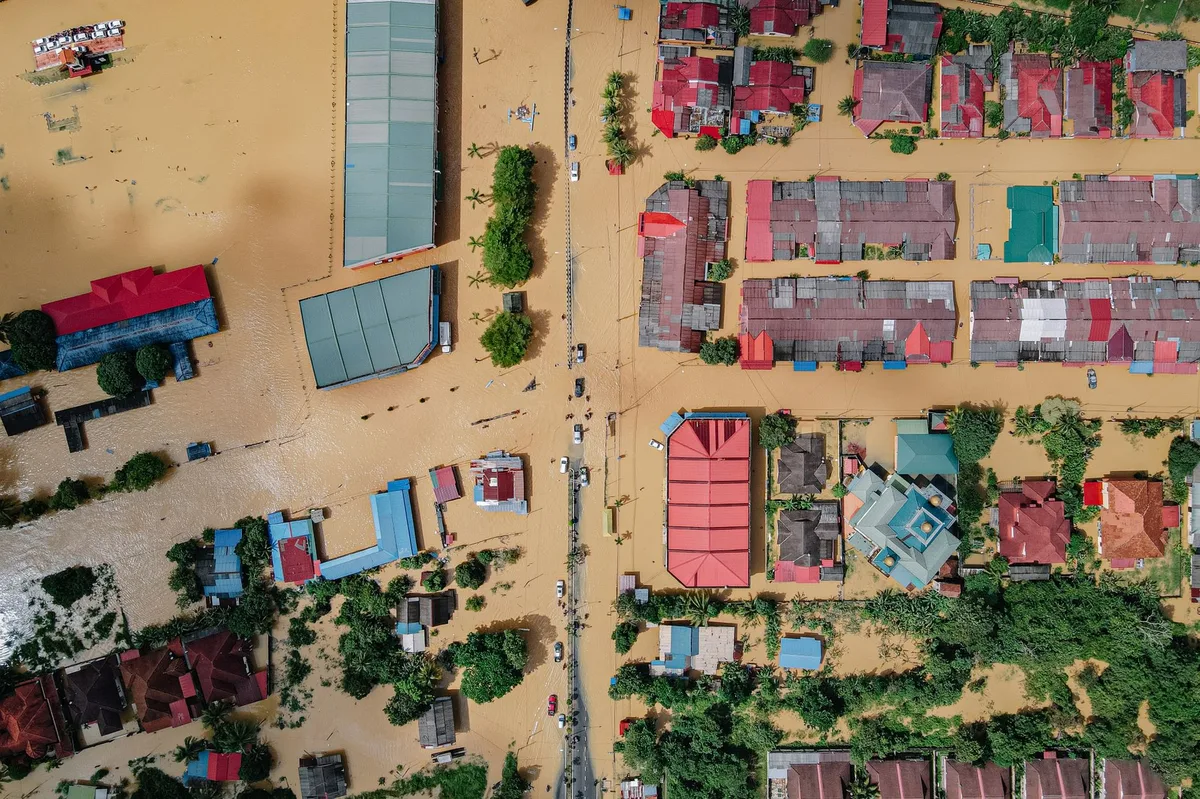
How the Cyclone Reinsurance Pool Affects Home Insurance Premiums in Australia
The Cyclone Reinsurance Pool caps reinsurance costs for insurers in cyclone-prone regions. Discover how the scheme affects home and strata insurance premiums across northern Australia.
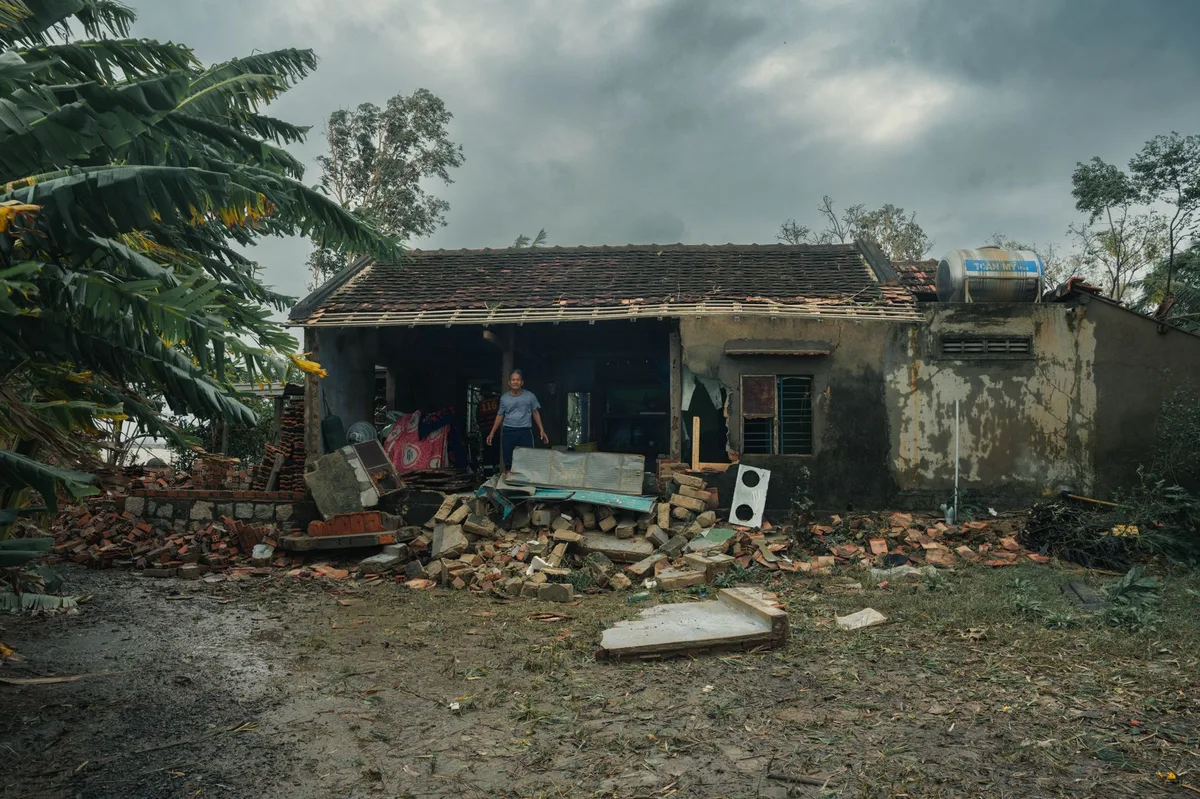
How the Cyclone Reinsurance Pool Cuts Premiums in Australia
The ACCC confirms Australia's cyclone reinsurance pool has reduced home insurance premiums in high-risk northern areas. Learn how it works.
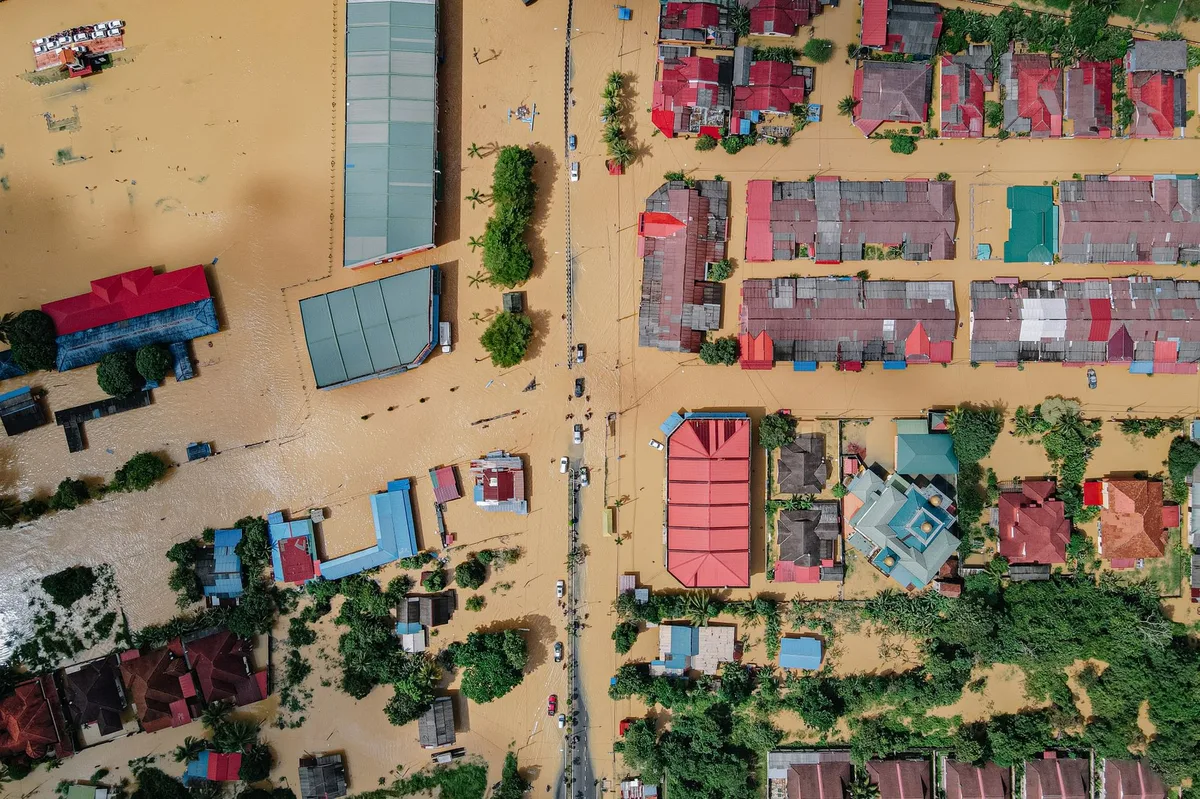
Low Home Insurance Coverage in Pilbara Despite Cyclone Risk in Australia
Why Pilbara has low home insurance despite high cyclone risk. Affordability, market withdrawal, and what residents need to know.
