Understanding Australia's Flood Insurance Crisis: What It Means for Homeowners
Australia's flood insurance crisis is leaving thousands of homeowners without affordable cover or facing withdrawal of policies altogether, as insurers retreat from high-risk areas.
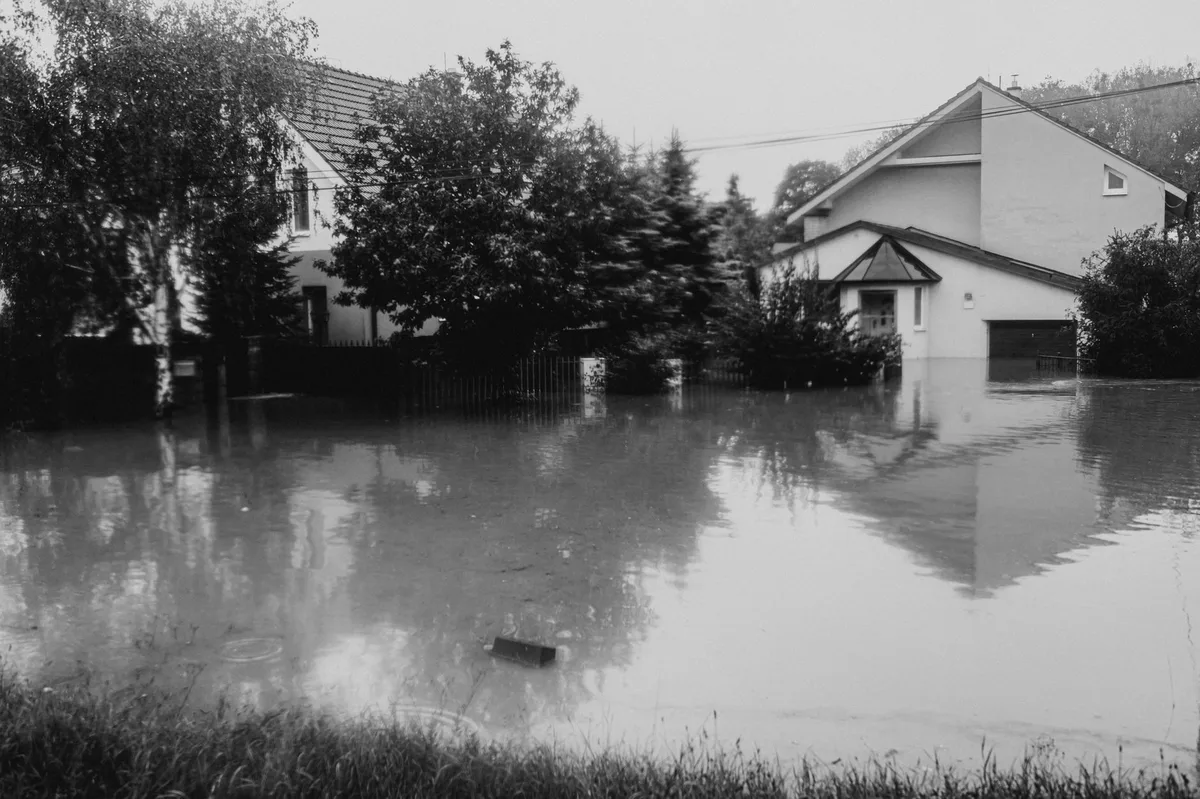
Pexels - Helena Jankovičová Kováčová · original
In this article
Key Takeaway
Australia’s flood insurance crisis is driven by increasing flood frequency, rising claims costs, and climate risk modelling that has made tens of thousands of properties either uninsurable or prohibitively expensive to cover. Homeowners in high-risk areas across northern New South Wales, Queensland, and other flood-prone regions are facing premium increases of 200 to 400 per cent or outright withdrawal of cover, threatening property values and financial security.
What Is the Flood Insurance Crisis?
The flood insurance crisis refers to a growing affordability and availability problem affecting home and contents insurance in flood-prone areas of Australia. Over the past decade, insurers have dramatically increased premiums for properties in high-risk zones, and in many cases, refused to offer flood cover at all. According to the Insurance Council of Australia, this crisis has been intensifying since the catastrophic floods of 2022, which resulted in insured losses exceeding A$5.6 billion.
The core issue is simple: the cost of flood claims has risen so sharply that insurers can no longer profitably cover certain properties at premiums most homeowners can afford. As foundational texts such as Principles of Finance explain, insurance depends on the ability to pool risk across a large, diverse population. When a specific peril becomes both frequent and severe, that pooling breaks down, and cover becomes economically unviable.
Why Flood Insurance Is Becoming Unaffordable or Unavailable
Several interconnected factors are driving the crisis.
More Frequent and Severe Floods
Climate change has increased the frequency and intensity of extreme weather events, including flooding. Australia has experienced major flood events in 2011, 2013, 2017, 2019, 2022, and 2024, with the 2022 east coast floods alone affecting over 200,000 properties. Insurers now factor this higher frequency into their pricing models, resulting in premiums that reflect the genuine, elevated risk.
Improved Risk Modelling and Data
Insurers have access to increasingly sophisticated flood modelling and geospatial data. Where a property might previously have been classified as moderate risk, new models can identify it as high or extreme risk based on detailed topography, drainage patterns, and climate projections. This precision means insurers can no longer afford to underwrite high-risk properties at average rates.
Rising Rebuild and Repair Costs
The cost of building materials, labour, and temporary accommodation has surged. A flood event that once generated claims averaging A$40,000 per property now costs A$70,000 or more to settle. These rising costs flow directly into premiums, compounding the affordability crisis.
Regulatory and Solvency Requirements
The Australian Prudential Regulation Authority (APRA) requires insurers to hold sufficient capital to cover potential catastrophic losses. As flood risk rises, insurers must set aside more capital, which increases their cost of doing business and puts upward pressure on premiums or leads to withdrawal from high-risk markets entirely.
Which Areas Are Most Affected?
The crisis is most acute in flood-prone regions where historical flooding and future climate projections overlap. Key areas include northern New South Wales towns such as Lismore, Ballina, and Casino; south-east Queensland suburbs along the Brisbane and Logan rivers; parts of western Sydney; and low-lying coastal areas in northern Australia. In some postcodes, insurers have ceased offering new policies altogether, leaving homeowners who switch providers or lapse unable to secure replacement cover.
Property owners in these areas report premiums for combined home and contents cover ranging from A$8,000 to A$20,000 per year, compared to A$2,000 to A$3,000 for comparable properties in low-risk zones. For many, especially retirees and low-income households, these premiums are simply unaffordable.
Government and Industry Responses
Recognising the crisis, the Australian government has explored several interventions. The Cyclone Reinsurance Pool, established in 2022, provides government-backed reinsurance for cyclone and related flood damage in northern Australia, aiming to reduce premiums by 20 to 30 per cent in eligible areas. However, it does not cover riverine flooding in southern regions, where much of the crisis is concentrated.
There has been ongoing discussion about expanding the reinsurance pool to cover all flood perils nationally, but implementation remains complex due to cost, risk concentration, and moral hazard concerns (the risk that subsidised premiums encourage building in high-risk areas).
The Insurance Council of Australia has called for greater investment in flood mitigation infrastructure such as levees, improved drainage, and land-use planning reforms to prevent new development in flood-prone zones. These measures would reduce future risk and, over time, stabilise premiums.
Read also: How AI Floor Elevation Technology Could Cut Flood Insurance Costs in Australia
What It Means for Homeowners
For those already in high-risk areas, the options are limited and difficult. Homeowners can:
- Shop around annually: Premiums vary significantly between insurers. Comparison is essential, though options may be few.
- Increase the excess: Choosing a higher excess (A$5,000 or A$10,000 instead of A$1,000) can reduce the premium, but it shifts more financial risk to the homeowner.
- Separate building and contents cover: Some insurers offer building insurance without flood cover, or contents-only policies with limited flood protection. Read the Product Disclosure Statement (PDS) carefully to understand what is excluded.
- Self-insure: Some homeowners choose to go without flood cover and set aside savings instead. This is a high-risk strategy and should only be considered after seeking advice from a licensed financial adviser.
- Consider relocation: In extreme cases, homeowners may sell and move to lower-risk areas. However, properties in known flood zones often suffer reduced resale values, compounding the financial loss.
It is critical to read the PDS and the Target Market Determination (TMD) for any policy. Flood definitions vary: some policies cover overflowing rivers and creeks but exclude stormwater runoff or coastal inundation. Verify exactly what perils are covered and under what conditions.
What Buyers Need to Know
Prospective buyers must conduct thorough flood risk due diligence before purchasing property. Check council flood maps, obtain flood certificates, and request insurance quotes before exchange of contracts. A property that appears affordable may have annual insurance costs that make it financially unviable.
Lenders are also increasingly scrutinising flood risk. Some are requiring proof of flood cover as a condition of lending, or applying higher interest rates to properties in high-risk zones. Before committing to a purchase, confirm both that flood cover is available and that you can afford the premium over the life of the loan.
The Broader Impact
The flood insurance crisis has implications beyond individual homeowners. It affects property values, mortgage lending, regional economic stability, and social equity. Communities already experiencing economic disadvantage are often in the lowest-lying, highest-risk areas, and the insurance crisis deepens that inequality.
Long-term solutions will require coordinated action across government (mitigation infrastructure, land-use planning, reinsurance support), industry (innovative products, transparent risk communication), and individuals (informed purchasing, retrofitting homes with flood-resilient design). Until those solutions are in place, the crisis will continue to worsen for tens of thousands of Australians.
Conclusion
Australia’s flood insurance crisis is not a temporary disruption but a structural shift driven by climate change, better risk data, and rising claims costs. Homeowners in high-risk areas face difficult choices, and there are no easy answers. The best protection is knowledge: understand your property’s flood risk, read your PDS thoroughly, compare insurers annually, and seek advice from a licensed insurance adviser before making decisions. For those buying property, flood risk must be a non-negotiable part of due diligence.
As the crisis evolves, stay informed through resources such as ASIC’s MoneySmart service and the Insurance Council of Australia. The decisions you make today about flood cover and property risk will shape your financial security for decades to come.
General Advice Warning: This article contains general information only and does not take into account your objectives, financial situation, or needs. Before acting on this information, consider whether it is appropriate for you. Read the relevant Product Disclosure Statement (PDS) and consider obtaining personal advice from a licensed insurance adviser. Flood cover, exclusions, premiums, and availability vary by insurer, property location, and individual circumstances. Always verify current terms with your insurer and confirm your property’s specific flood risk with your local council and a licensed adviser before purchasing or renewing cover.
Sources
- Insurance Council of Australia Consumer Resources (accessed )
- ASIC MoneySmart Insurance Guide (accessed )
- Australian Government Information (accessed )
- Principles of Finance (accessed )
Related articles
Is Flood Insurance Worth Having in Australia?
Flood insurance protects against costly water damage in Australia. Learn what it covers, how much it costs, and whether it's worth having for your property.
How AI Floor Elevation Technology Could Cut Flood Insurance Costs in Australia
AI floor elevation technology could halve flood insurance premiums for Australian homes by providing accurate height measurements above flood risk zones.

Should You Buy Flood Insurance in Australia Before Disaster Season?
Flood cover is often optional in Australian home insurance. Find out whether you should buy it before cyclone and flood season arrives.
