Should You Buy Flood Insurance in Australia Before Disaster Season?
Flood cover is often optional in Australian home insurance. Here's what to consider before cyclone and flood season.

Pexels - Peter Dyllong · original
In this article
Key Takeaway
Flood insurance is often sold separately from standard home and contents insurance in Australia, and many policies exclude flood damage unless you specifically add it. With cyclone and flood season approaching across northern and coastal Australia, now is the time to check whether your home insurance includes flood cover, understand what “flood” means in your Product Disclosure Statement (PDS), and decide if the extra premium is worth it for your property’s risk level and your financial situation.
What Flood Insurance Covers in Australia
In Australia, flood cover is typically an optional add-on to your home (building) insurance or contents insurance policy, though some comprehensive policies now include it as standard. The definition of “flood” varies between insurers but generally means water covering normally dry land from overflowing rivers, lakes, or heavy rainfall runoff, as per the Insurance Council of Australia’s standard definition.
Standard home insurance usually covers storm damage (such as roof leaks from heavy rain or wind damage) but excludes flood damage unless you have paid extra for flood cover. Check your PDS carefully: if your policy excludes flood, damage from rising water after a cyclone or severe weather event will not be covered, even if other storm damage is.
According to ASIC MoneySmart, flood cover can add 10% to 50% or more to your premium, depending on your property’s flood risk, location, and the insurer (MoneySmart, 2026). High-risk properties in known flood zones may face much higher premiums or find it difficult to obtain flood cover at all.
Should You Buy It?
Consider buying flood cover if:
- Your property is in a known flood zone or low-lying area, or near rivers, creeks, or coastal areas prone to storm surge during cyclones
- You cannot afford to repair or replace your home or contents out of pocket if flood damage occurs
- You live in northern Australia, Queensland, or other regions with regular cyclone and monsoonal wet seasons
- Your mortgage lender requires you to hold flood cover as a condition of the loan
Read also: Weighing the Risks of Flood Insurance as Cyclone Season Nears in Australia
You might skip flood cover if your property is on high ground with very low flood risk and you have savings set aside to cover potential damage. However, even low-risk areas can flood during extreme weather events, so weigh your financial capacity to absorb a large loss against the cost of the premium.
Review your local council flood maps and your insurer’s flood risk assessment for your address. The Insurance Council of Australia recommends that all homeowners review their policies before the start of each cyclone and storm season to confirm what is and is not covered (Insurance Council of Australia, 2026).
What to Do Next
Read your current home and contents insurance PDS and check whether flood is included or excluded. If excluded, contact your insurer or a licensed insurance broker to get a quote for adding flood cover before the wet season begins. Compare quotes from multiple insurers, as flood premiums and coverage terms vary widely.
If you decide to add flood cover, do it now rather than waiting until a cyclone or flood warning is issued: insurers may refuse to add cover or process new policies once a severe weather event is forecast or approaching.
General Advice Warning
This information is general in nature and does not take into account your objectives, financial situation, or needs. Before acting on it, consider whether flood insurance is appropriate for you, read the relevant Product Disclosure Statement (PDS) from your insurer, and consider obtaining personal advice from a licensed insurance adviser or broker. Coverage, exclusions, premiums, and availability vary by insurer, property location, and individual circumstances. Confirm all details in the PDS and with a licensed adviser before making a decision.
Sources
- Insurance (accessed )
- Consumer Resources (accessed )
- Australian Government (accessed )
Related articles
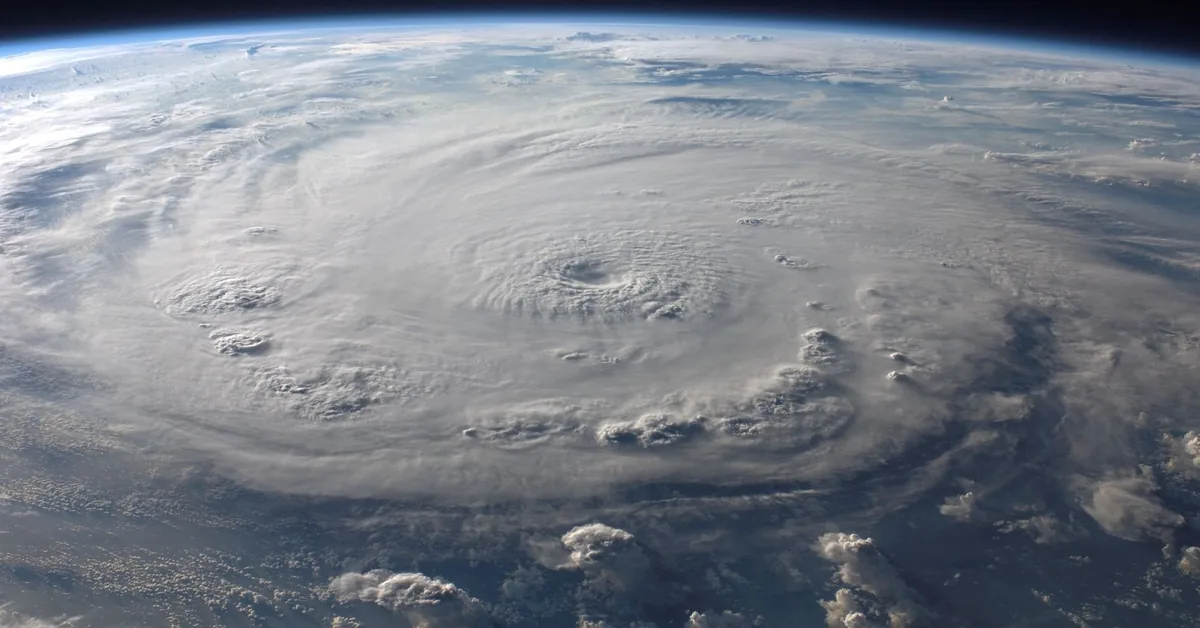
Weighing the Risks of Flood Insurance as Cyclone Season Nears in Australia
Australian homeowners in cyclone and flood-prone regions weigh flood insurance costs against rising natural disaster risks. What to consider.
How to Buy Flood Insurance Before Australia's Storm Season Begins
Practical guide to buying flood insurance before storm season in Australia. Understand cover options, assess risk, and secure protection.
Should You Get Flood Insurance Before Storm Season in Australia?
Australian officials urge homeowners to review flood insurance before severe weather season. Many policies exclude flood damage. Learn what to check now.
