Why Australia Faces a Climate-Driven Home Insurance Crisis
Climate risk is making home insurance more expensive and harder to obtain in parts of Australia. Here is what the crisis means for homeowners and renters.
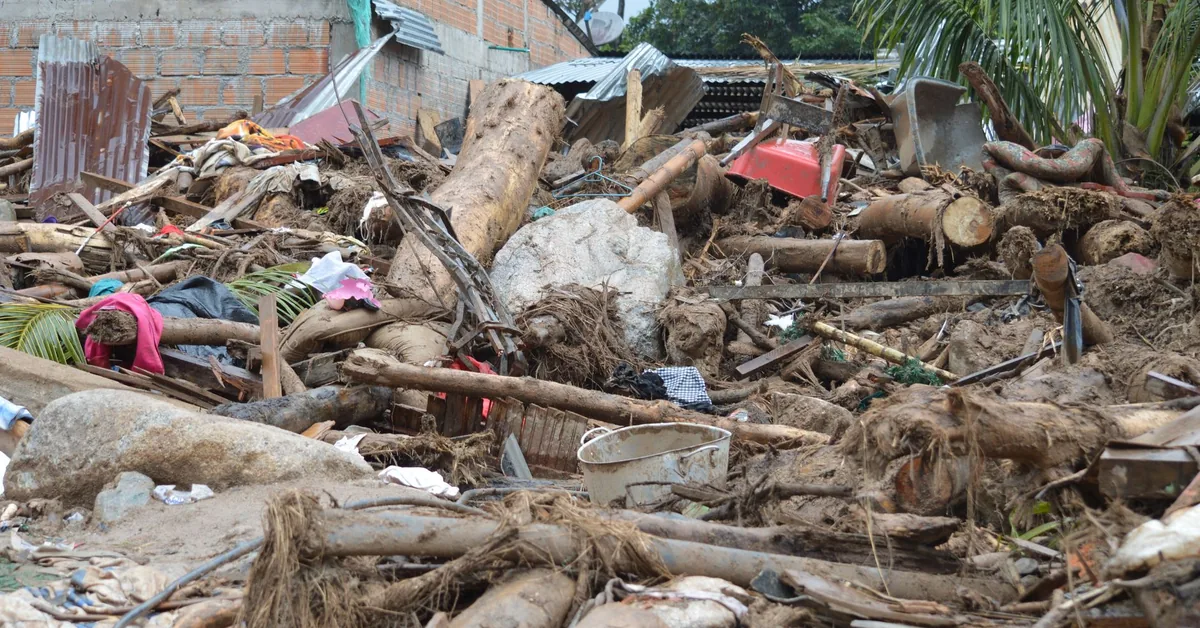
Pexels - Franklin Peña Gutierrez · original
In this article
Australia’s home insurance crisis is mainly an affordability and availability problem: floods, bushfires, cyclones and severe storms are pushing risk higher, which can push premiums and excesses higher too. Some households can still buy cover, but only at a price that strains the budget, while others may face exclusions, limited options or underinsurance. The practical response is to check the real hazards at your address, read the PDS and TMD closely, and compare cover before you reduce or cancel insurance.
What is the home insurance crisis?
The crisis is not that every Australian home is suddenly uninsurable. It is that climate-related hazards are making insurance uneven: two similar homes can have very different premiums if one is exposed to flood, coastal inundation, cyclone, bushfire or storm surge risk.
According to APRA, its Climate Vulnerability Assessment examines how climate risk can affect banks, insurers and the wider financial system (APRA, 2026). That matters because home insurance is not just a household product. Lenders, buyers and communities all rely on insurance to help repair or rebuild after a disaster.
New Zealand faces related pressures because it also has exposed coastal, flood and earthquake-prone communities, but this article focuses on what Australian readers can do under Australian home and contents insurance rules.
Why climate risk affects premiums
Insurers price home insurance by estimating the chance and likely cost of claims. When severe weather becomes more frequent, repair costs rise, or a property sits in a high-risk location, the insurer may charge more, increase the excess, limit cover, or decline to offer certain protection.
The effect is not limited to the premium. A homeowner may find that flood cover is optional or restricted, that temporary accommodation limits are lower than expected, or that rebuilding costs have outpaced the sum insured. A renter may not need building insurance, but still needs contents insurance if belongings could be damaged by flood, storm or fire.
ASIC MoneySmart explains that insurance helps cover financial loss from unexpected events, but the policy documents set out what is and is not covered (MoneySmart, 2026). For home cover, that makes the PDS essential reading, especially the definitions of flood, storm, actions of the sea, gradual damage, wear and tear, and maintenance exclusions.
What experts are warning about
The warning is that insurance stress can feed into broader housing stress. If premiums become unaffordable, more people may reduce cover, accept a higher excess, underinsure, or go without insurance altogether. After a major event, that can leave households unable to rebuild properly.
The Guardian reported in October 2025 that a Climate Council and PropTrack analysis estimated flood risk had reduced the value of Australian homes by A$42.2 billion, with Queensland and New South Wales carrying much of the exposure (The Guardian, 2025). Treat that as a market-wide warning, not a valuation for any individual property.
Read also: Australian Home Insurance Premiums Climb 51% in Five Years
The Insurance Council of Australia provides consumer guidance on insurance issues and disaster recovery, and encourages people to understand their policy and claims rights (Insurance Council of Australia, 2026).
What households can do now
Start with your address, not a generic premium estimate. Check local flood maps, bushfire overlays, council planning information, and any previous claims history you can obtain before buying a home or renewing cover.
Review the sum insured. If rebuilding would cost more than your policy limit, a paid claim may still leave a gap. Consider demolition, professional fees, debris removal, code upgrades and temporary accommodation, not just the visible building.
Compare policies on cover quality, not only price. A cheaper policy may have a narrower flood definition, lower limits, higher excesses or exclusions that matter in your suburb. Read the PDS and Target Market Determination before deciding.
If a premium has jumped, ask the insurer why. Check whether a higher voluntary excess, mitigation work, updated property data, or a different cover level changes the quote. Avoid dropping flood, storm or building cover without understanding the financial consequence.
If a claim or complaint is mishandled, use the insurer’s internal dispute resolution process first. If it remains unresolved, AFCA may be able to consider eligible insurance complaints.
The bottom line
Climate risk is making home insurance in Australia more location-specific, more expensive in exposed areas, and more important to understand. The aim is not to panic, but to avoid being surprised by exclusions, underinsurance or a premium that no longer fits the household budget.
General advice warning: This information is general only and does not take into account your objectives, financial situation or needs. Before acting on it, consider whether it is appropriate for you, read the relevant Product Disclosure Statement (PDS) and Target Market Determination (TMD), and consider obtaining personal advice from a licensed adviser. Cover, exclusions and availability vary by insurer and by state or territory. For legal, tax or property-specific questions, speak with an appropriately qualified professional.
Sources
- Climate Vulnerability Assessment (accessed )
- Insurance (accessed )
- Consumers (accessed )
- Floods have devalued Australian homes by $42bn. Experts say that's the cost of 'a changing climate' (accessed )
Related articles

Why Home Insurance Premiums Are Rising in Australia
Why Australian home insurance premiums are rising, what drives renewal prices, and how homeowners can respond without risking underinsurance.
How Many Australians Worry About Home Insurance Costs in Australia?
Around 1.6 million Australian households face home insurance affordability stress. Learn what the figure means and how to respond.

Why Postcode Pricing Can Lift Home Insurance Premiums in Australia
Why postcode pricing can increase home insurance premiums in Australia, even outside flood zones, and what to check before renewing.
