Why Home Insurance Premiums Are Soaring in Australia and What the ACCC Proposes
Rising premiums are pushing Australian households to drop home insurance, creating an underinsurance crisis. The ACCC has proposed solutions to improve affordability and competition.
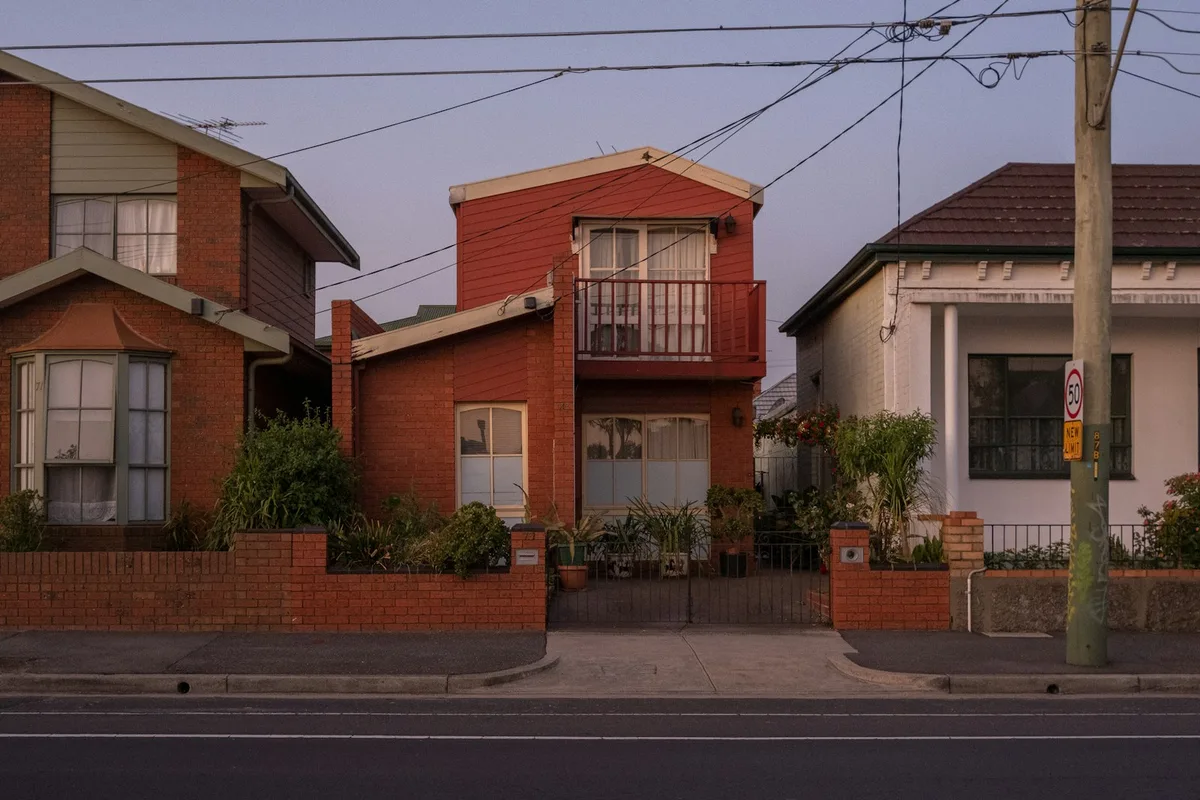
Unsplash - Cameron Tidy · original
In this article
Key Takeaway
Home insurance premiums in Australia have risen sharply due to increased natural disaster claims, higher reinsurance costs, and rising building expenses. Many households are responding by dropping cover entirely or reducing their sum insured, creating a dangerous underinsurance gap. The Australian Competition and Consumer Commission (ACCC) has proposed measures to improve competition, transparency, and affordability in the market.
Why Home Insurance Is Becoming Unaffordable
Home insurance premiums across Australia have increased significantly over the past five years, driven by a combination of climate-related risks and economic pressures. According to the Insurance Council of Australia, insurers have paid out record amounts in claims following repeated floods, bushfires, and severe storms. These escalating natural disaster costs are passed on to policyholders through higher premiums.
Reinsurance (the insurance that insurers buy to protect themselves against large claims) has become more expensive as global reinsurers reassess their exposure to Australian climate risks. When reinsurance premiums rise, retail insurers must increase their own premiums to maintain profitability. Building and repair costs have also climbed due to supply chain disruptions, labour shortages, and inflation in construction materials, all of which push up the sums insurers must pay when settling claims.
The result is that many Australian households, particularly those in high-risk areas such as flood zones in northern New South Wales and Queensland or bushfire-prone regions across the country, face premiums that have doubled or even tripled in just a few years. For some, the annual cost of home and contents cover now exceeds several thousand dollars, a sum that many budgets simply cannot absorb.
The Underinsurance Crisis
When premiums become unaffordable, households make tough choices. Some drop their home insurance entirely, leaving them exposed to catastrophic financial loss if disaster strikes. Others reduce their sum insured to lower the premium, but this creates underinsurance: when a claim occurs, the payout falls short of the actual cost to rebuild or replace, leaving the homeowner to cover the shortfall out of pocket.
As discussed in foundational texts such as Principles of Finance, insurance functions as a risk transfer mechanism, spreading the financial burden of loss across a pool of policyholders. When a significant portion of that pool drops out due to affordability concerns, the system becomes less stable, and those who remain face even higher premiums as the risk pool shrinks.
The Australian Securities and Investments Commission (ASIC) through MoneySmart warns that underinsurance and non-insurance expose households to financial ruin. A home that is underinsured by 20 per cent might cost the owner tens of thousands of dollars to repair after a fire or flood, and without any cover at all, the entire rebuilding cost falls on the homeowner.
What the ACCC Proposes
In response to mounting consumer pressure and evidence of market dysfunction, the Australian Competition and Consumer Commission (ACCC) has conducted inquiries into insurance affordability and proposed a suite of reforms aimed at improving competition, transparency, and access to cover.
Improved Price Transparency
The ACCC has called for clearer disclosure of how premiums are calculated, including the impact of individual risk factors such as location, building age, and claims history. Greater transparency would allow consumers to understand why their premium has increased and to shop around more effectively, putting competitive pressure on insurers to justify their pricing.
Encourage New Market Entrants
The ACCC has suggested measures to reduce barriers to entry for new insurers, such as streamlining regulatory approvals and fostering innovation in underwriting and risk assessment. More competition in the market could lead to more affordable products and better service, particularly in underserved regional areas.
Address Loyalty Pricing Practices
The ACCC has scrutinised insurers’ use of loyalty pricing, where long-standing customers pay higher premiums than new customers for the same cover. The regulator has recommended that insurers be required to clearly disclose renewal pricing and to offer existing customers the same rates available to new customers, ensuring fairer treatment.
Government Support for High-Risk Areas
The ACCC acknowledges that some regions face risks so high that private insurance alone cannot provide affordable cover. The regulator has supported calls for government-backed insurance schemes or reinsurance pools (similar to the cyclone reinsurance pool operating in northern Australia) to spread the cost of covering high-risk properties across a broader base.
Mandatory Consumer Protections
The ACCC has proposed stronger protections to ensure consumers understand what they are buying, including clearer Product Disclosure Statements (PDS) and mandatory warnings when a sum insured is below the estimated rebuild cost.
Read also: Understanding Australia’s Home Insurance Affordability Crisis
What Homeowners Can Do Now
While regulatory reform may take time, there are steps homeowners can take today to manage insurance costs:
Review your sum insured annually. Building costs change, and your sum insured should reflect the current cost to rebuild your home, not the property’s market value. An outdated sum insured can lead to underinsurance or overpayment.
Shop around every year. Premiums vary widely between insurers for the same cover. Use comparison tools and get multiple quotes before renewing. If you have been with the same insurer for years, you may be paying a loyalty penalty.
Increase your excess. Agreeing to a higher excess (the amount you pay out of pocket when you claim) can lower your premium. Make sure the excess is an amount you can afford if you do need to claim.
Consider bundling policies. Some insurers offer discounts if you take out home and contents cover together, or if you hold multiple policies with them (such as car insurance as well).
Ask about mitigation discounts. Insurers may reduce your premium if you have installed flood barriers, bushfire-resistant building materials, or security systems. Check your PDS and ask your insurer directly.
Seek advice. A licensed insurance adviser or broker can help you navigate the market, find competitive quotes, and ensure your cover is appropriate for your circumstances. Read the PDS and the Target Market Determination (TMD) before making a decision.
Conclusion
The home insurance affordability crisis in Australia is real and urgent. Rising premiums driven by climate risk, reinsurance costs, and construction inflation are forcing households to go without adequate cover, creating an underinsurance gap that could have devastating financial consequences. The ACCC’s proposed reforms offer a pathway toward a more competitive, transparent, and accessible market, but in the meantime, homeowners must take proactive steps to secure appropriate cover at the best available price. Always read the PDS, compare multiple quotes, and consider seeking advice from a licensed professional to ensure you are protected.
General advice warning: This article provides general information only and does not take into account your objectives, financial situation, or needs. Before acting on any information in this article, you should consider whether it is appropriate for you and read the relevant Product Disclosure Statement (PDS). Consider obtaining personal advice from a licensed insurance adviser or financial planner.
Accuracy note: Premium rates, policy terms, and regulatory settings vary by insurer and by state or territory, and are subject to change. The information in this article is current as of October 2026. Always verify current terms with your insurer or a licensed adviser before making a decision.
Sources
- Australian Competition and Consumer Commission (accessed )
- Insurance Council of Australia (accessed )
- MoneySmart Insurance Guide (accessed )
- Principles of Finance (accessed )
Related articles

Understanding Australia's Home Insurance Affordability Crisis
Australian home insurance premiums are soaring, with some homeowners facing triple their previous costs or coverage refusal. Understand why and what you can do.
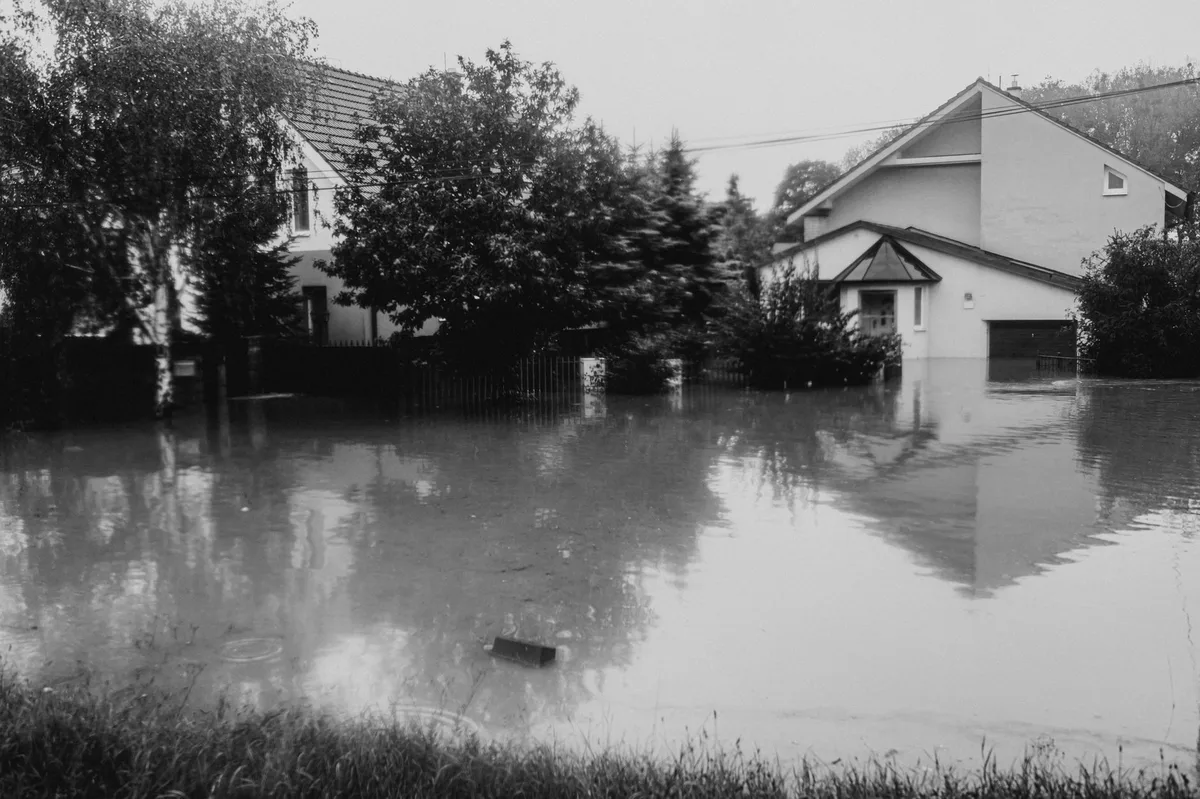
Understanding Australia's Home Insurance Crisis Driven by Floods and Fires
Learn how floods and bushfires are driving Australia's home insurance crisis, with premiums rising and cover becoming harder to find in high-risk areas.

Understanding the Home Insurance Affordability Crisis in Australia
Home insurance premiums are jumping 50% in high-risk Australian areas. Learn why this is happening, the risks of dropping cover, and what options homeowners have.
