Travel Insurance in Australia: What to Look for Beyond the Cheapest Policy
The cheapest travel insurance policy may not cover what matters most. Learn which features protect you when things go wrong overseas and how to compare policies properly.
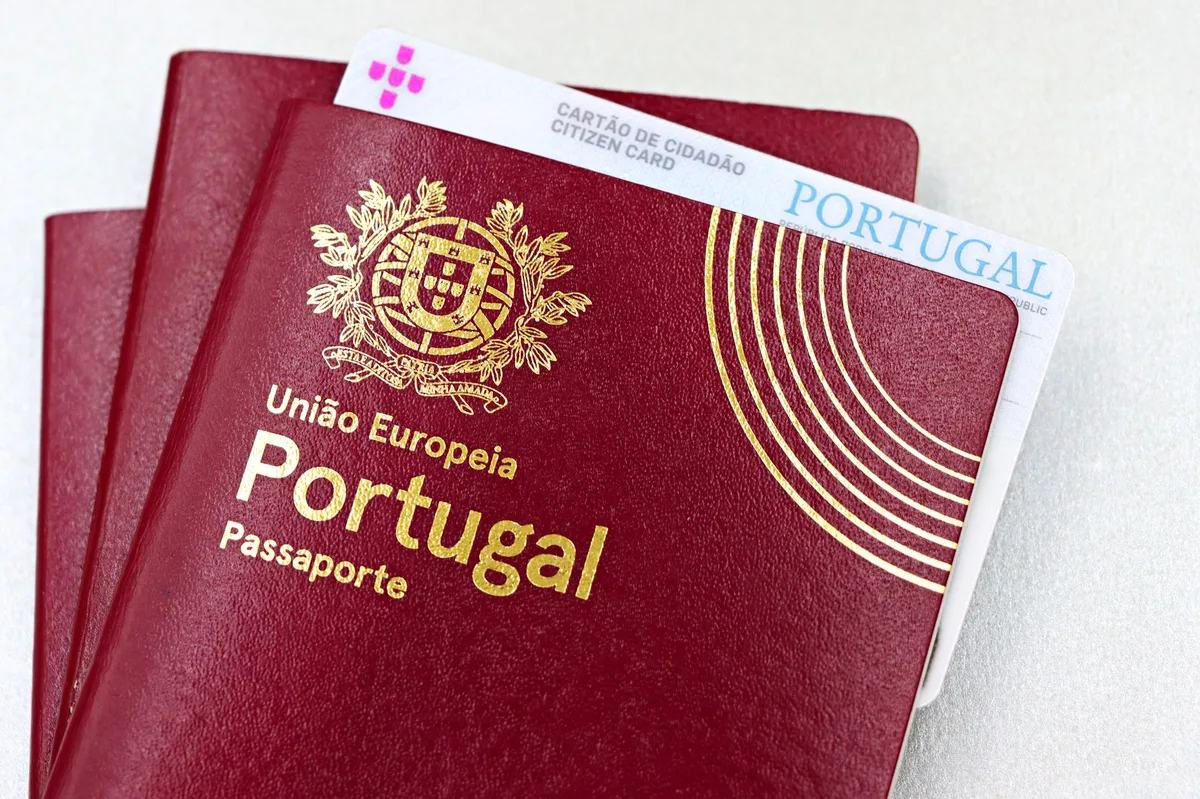
Pexels - Mikhail Nilov · original
In this article
Key Takeaway
The cheapest travel insurance policy often excludes the cover you need most. Medical evacuation limits, pre-existing condition clauses, activity exclusions, and cancellation terms vary dramatically between policies. Read the Product Disclosure Statement (PDS) to confirm what is actually covered before comparing on price alone.
Why Cheap Travel Insurance Can Cost You More
Price comparison sites rank policies by premium, but the cheapest option frequently caps medical cover at A$250,000, excludes common activities like snorkeling or hiking, and offers no cover for cancellations due to pre-existing conditions. A mid-range policy with unlimited medical cover and broader cancellation terms may save you tens of thousands of dollars if something goes wrong.
According to ASIC MoneySmart, Australians lose claims every year because they chose the lowest premium without reading what the policy actually covered (MoneySmart, 2026). The PDS and Target Market Determination (TMD) spell out exactly who the policy suits and what it excludes.
What to Compare Beyond the Premium
| Coverage Area | Budget Policy | Comprehensive Policy |
|---|---|---|
| Medical cover | A$250,000–A$500,000 cap | Unlimited or A$10M+ cap |
| Cancellation cover | Trip cost up to A$5,000; strict exclusions | Trip cost up to A$25,000+; broader reasons |
| Luggage cover | A$1,000–A$2,500 total; A$250 per item | A$5,000–A$10,000 total; A$500+ per item |
| Pre-existing conditions | Usually excluded entirely | May cover stable conditions with declaration |
| Activities covered | Walking, swimming only | Snorkeling, hiking, cycling, adventure sports with add-on |
| Excess | A$150–A$300 per claim | A$0–A$100 per claim, or waivable |
The table above shows typical differences. Your policy’s actual terms appear in the PDS, which you must read before buying.
Medical Cover: The Non-Negotiable
Medical evacuation from remote locations, intensive care in the United States, or emergency surgery in Europe can cost A$100,000 to A$500,000. Budget policies cap medical cover at A$250,000 or A$500,000, which may not cover a serious accident or illness in a high-cost country.
What to look for:
- Unlimited medical cover, or a cap of at least A$10 million for travel to North America, Europe, or Japan.
- 24-hour emergency assistance with direct hospital billing (so you do not pay upfront and claim later).
- Cover for medical evacuation back to Australia, including air ambulance and a medical escort if required.
As covered in Principles of Finance (OpenStax, 2022), risk management in insurance requires matching the policy limit to the potential loss. For medical emergencies overseas, the potential loss is effectively unlimited.
Cancellation and Amendment Cover
Trip cancellations cost the full price of flights, accommodation, and pre-paid tours. Budget policies cap cancellation cover at A$5,000 and exclude cancellations due to pre-existing medical conditions, work redundancy, or jury service.
What to look for:
- Cancellation cover up to the full trip cost (match your actual spend).
- Covered reasons that include pre-existing conditions (if declared and stable), redundancy, family illness, and natural disasters at your destination.
- Amendment cover if you need to change flights due to a covered reason.
The Insurance Council of Australia notes that cancellation disputes are the most common travel insurance complaint, usually because the reason for cancellation was excluded in the PDS (ICA, 2026).
Luggage and Belongings
Budget policies cap luggage cover at A$1,000 to A$2,500 total, with sub-limits of A$250 per item. If you travel with a laptop (A$2,000), camera (A$1,500), and phone (A$1,200), your total belongings exceed the policy limit.
What to look for:
- Total luggage cover of at least A$5,000 if you carry electronics or valuable items.
- Per-item limits of A$500 to A$1,000 (confirm your insurer will cover the replacement cost of your most expensive item).
- Cover for theft from unattended vehicles, which many policies exclude.
Most policies exclude cash, jewellery above a low limit, and items left unattended in public. Read the PDS exclusions before assuming your belongings are covered.
Pre-Existing Medical Conditions
Most budget policies exclude any claim related to a pre-existing medical condition, even if the condition was stable and well-managed. If you cancel your trip because your asthma flares up, or you need treatment overseas for your diabetes, a policy with a blanket pre-existing condition exclusion will not pay.
What to look for:
- A pre-existing condition declaration process (you answer health questions, and the insurer confirms whether they will cover you, usually at a higher premium or with specific exclusions).
- Cover for stable conditions (typically defined as no change in medication or treatment in the past 12 months, no hospitalisations, and no planned treatment).
If you have a pre-existing condition and the insurer refuses to cover it, shop around. Some insurers specialise in cover for travelers with medical conditions.
Activities and Adventure Sports
Budget policies cover walking and swimming. Snorkeling, hiking above 2,000 metres, cycling, skiing, and water sports are often excluded unless you pay an additional premium.
What to look for:
- A list of covered activities in the PDS (assume anything not listed is excluded).
- An adventure sports add-on if you plan to ski, dive, or do other higher-risk activities.
- Exclusions for professional or competitive activity (most policies exclude racing, competitions, or being paid to do the activity).
Claims Process and Excess
The cheapest policy may require you to pay all costs upfront and claim reimbursement later, which is difficult if you face a A$50,000 hospital bill. The excess (the amount you pay per claim) also varies.
What to look for:
- Direct billing to hospitals for medical claims (so you do not pay upfront).
- A low or waivable excess (A$0 to A$100 is common on comprehensive policies; budget policies may charge A$150 to A$300 per claim).
- A clear claims process with 24-hour phone support and online lodgement.
If your claim is denied, you can complain to the Australian Financial Complaints Authority (AFCA), which resolves insurance disputes at no cost to you (AFCA, 2026).
Recommendations by Traveler Profile
Budget traveler, short domestic or nearby Asia trip, no pre-existing conditions: A budget policy with A$1 million medical cover, basic cancellation cover, and standard activities may suit you. Read the PDS to confirm the destinations, activities, and cancellation reasons are covered.
Traveler to North America, Europe, or remote destinations: Choose a policy with unlimited medical cover, high cancellation limits, and 24-hour emergency assistance. Medical costs in the United States are among the highest in the world.
Traveler with pre-existing conditions: Look for a policy that covers stable pre-existing conditions after you complete a medical declaration. You will pay a higher premium, but a claim denial due to a pre-existing condition exclusion will cost far more.
Adventure traveler (skiing, diving, hiking): Buy a policy that covers your activities, or add an adventure sports option. Confirm the altitude limits (many policies exclude trekking above 3,000 or 4,000 metres) and the definition of professional activity.
Frequent traveler: An annual multi-trip policy may cost less than buying single-trip cover for each journey. Check the maximum trip length (often 30, 60, or 90 days per trip) and the destinations covered.
Conclusion
The cheapest travel insurance policy is rarely the best value. Medical cover limits, cancellation terms, activity exclusions, and pre-existing condition clauses vary widely, and a low premium often signals low cover. Compare policies on what they cover, not just what they cost, and read the PDS and TMD before you buy. If your claim is denied, you can complain to AFCA.
General Advice Warning
This article provides general information only and does not take into account your objectives, financial situation, or needs. Before purchasing travel insurance, consider whether it is appropriate for you and read the Product Disclosure Statement (PDS) and Target Market Determination (TMD) from your insurer. Consider obtaining personal advice from a licensed insurance adviser or financial planner for your specific circumstances. Coverage, exclusions, and premiums vary by insurer, destination, and your health and travel plans; verify all details with your insurer before you travel.
Sources
- Insurance (accessed )
- Consumer Resources (accessed )
- Make a Complaint (accessed )
- Principles of Finance (accessed )
Related articles

Travel Insurance for Australians: What to Look for Beyond the Cheapest Policy in Australia
Compare Australian travel insurance policies beyond price. Understand medical limits, cancellation cover, exclusions, and what matters for your trip.
Travel Insurance for Spring and Summer Holidays in Australia
What you need to know about travel insurance for spring and summer holidays from Australia, including seasonal cover and key exclusions.
How to Estimate Travel Insurance Costs in Australia: A Guide by Trip Type
Estimate travel insurance costs in Australia based on trip type, destination, age, and cover level. Use our calculator for accurate premium quotes.
