Travel Insurance for Spring and Summer Holidays: An Australian Guide
Spring and summer are peak travel seasons for Australians heading overseas. Here's what you need to know about travel insurance to protect your holiday investment and your health.
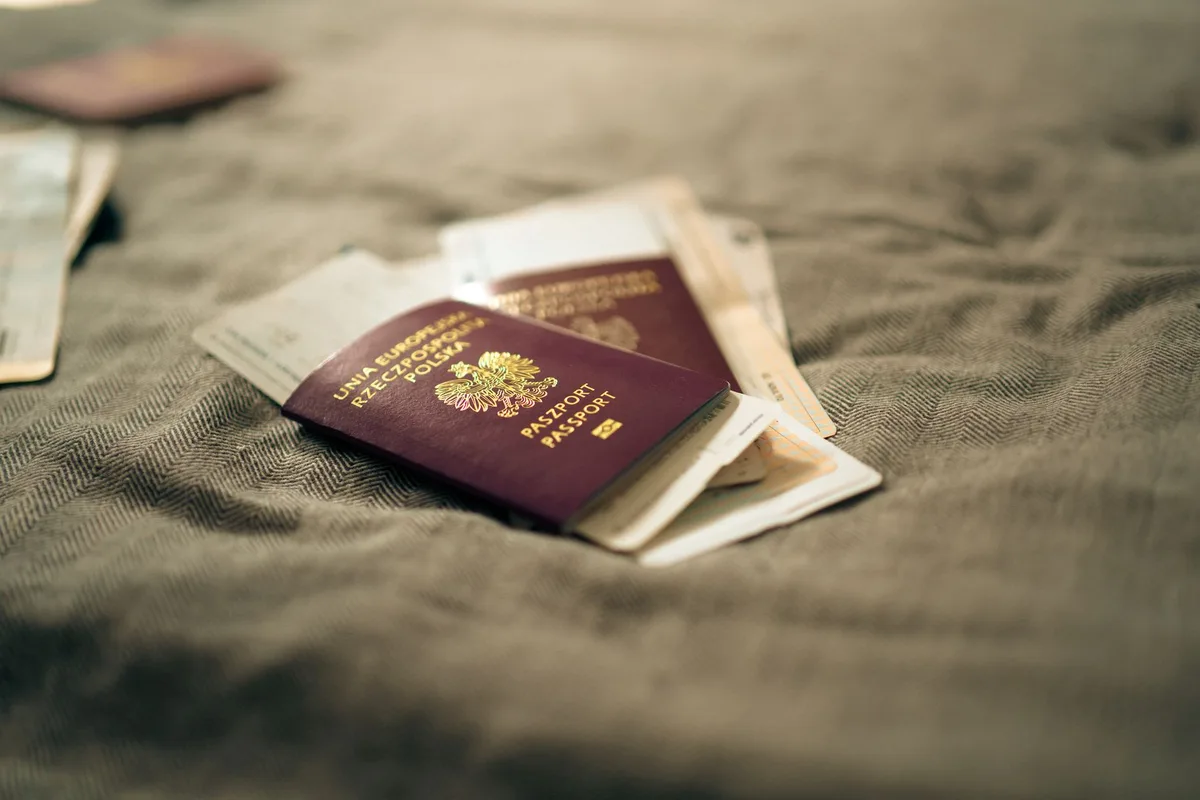
Pexels - Kari Alfonso · original
In this article
Key takeaway: Travel insurance for spring and summer holidays covers overseas medical emergencies, trip cancellations, lost luggage, and other unexpected events. Medicare provides limited or no cover overseas, so Australians travelling abroad need separate travel insurance. Policies vary widely in coverage and cost, read the Product Disclosure Statement (PDS) before buying, and declare all pre-existing conditions to avoid claim rejection.
Spring and summer are peak travel seasons for Australians heading to Europe, Asia, North America, and the Pacific. Whether you are planning a beach holiday in Bali, a European tour, or a family trip to the United States, travel insurance protects you from financial loss when things go wrong overseas.
What travel insurance covers
Travel insurance typically covers four main areas: medical emergencies, trip cancellation or interruption, luggage and personal belongings, and additional expenses.
Medical cover pays for overseas medical treatment, hospital stays, emergency dental care, and medical evacuation if you become ill or injured while travelling. This is the most important component, as Medicare provides limited or no cover outside Australia (according to ASIC MoneySmart, Medicare covers only a small portion of medical costs in countries with reciprocal health agreements, and nothing in most popular destinations).
Cancellation and interruption cover reimburses non-refundable costs if you need to cancel your trip before departure or cut it short due to covered reasons such as illness, injury, death of a family member, natural disasters, or airline collapse. During peak spring and summer travel periods, flight and accommodation costs are highest, making this protection particularly valuable.
Luggage and personal effects cover reimburses you for lost, stolen, or damaged baggage and belongings up to policy limits, often with sub-limits for specific items such as electronics, jewellery, or sporting equipment.
Additional cover may include rental car excess waiver, personal liability protection, travel delay compensation, and 24-hour emergency assistance.
Why travel insurance matters for spring and summer holidays
Spring (September to November) and summer (December to February) are high-demand travel periods. Flights, accommodation, and tours booked months in advance represent significant financial commitment. If illness, family emergency, or unforeseen circumstances force you to cancel, you lose those prepaid costs without insurance.
Summer also brings weather risks. Tropical cyclones affect northern Australia and Pacific destinations between November and April. Bushfires can disrupt domestic and international travel during the Australian summer. Comprehensive travel insurance policies cover trip cancellation or delays due to natural disasters, though exclusions apply (check the PDS for specific terms).
Medical emergencies overseas can be financially devastating. A hospital stay in the United States can cost tens of thousands of dollars. Medical evacuation from remote locations such as Pacific islands or Southeast Asia to Australia can exceed A$100,000. Travel insurance with adequate medical cover (at least A$1 million, preferably unlimited for destinations like the US) protects you from these costs.
Australian-specific considerations
Medicare does not cover medical treatment in most overseas destinations. Australia has reciprocal health care agreements with some countries (the United Kingdom, Ireland, New Zealand, Sweden, the Netherlands, Finland, Belgium, Norway, Slovenia, Malta, and Italy), but these provide only basic public hospital treatment, not full coverage, and do not cover medical evacuation or repatriation.
When buying travel insurance, declare all pre-existing medical conditions. Policies typically exclude claims related to undeclared conditions. Insurers assess pre-existing conditions individually and may apply an additional premium, exclude that specific condition from cover, or decline cover altogether, but non-disclosure can void your entire policy.
Popular Australian summer holiday destinations (Bali, Thailand, Fiji, Japan, Europe, the United States) each carry different risks. Southeast Asia has higher rates of foodborne illness and tropical diseases. Europe experiences occasional travel disruptions due to strikes. The United States has extremely high medical costs. Choose a policy with coverage appropriate to your destination and planned activities.
Read also: How to Choose Travel Insurance in Australia: Beyond the Cheapest Policy
If your trip includes adventure activities (skiing, scuba diving, hiking, motorcycle riding), ensure your policy covers them. Standard policies often exclude these, requiring additional premium or specialist cover.
What to look for in a policy
Read the Product Disclosure Statement (PDS) before purchasing. The PDS details exactly what is and is not covered, claim procedures, excess amounts, and exclusions.
Compare policies on coverage limits (especially medical), not just price. The cheapest policy may have low limits, high excesses, or significant exclusions. For foundational financial planning principles such as matching insurance cover to risk exposure, resources such as Principles of Finance provide context for evaluating adequate protection levels.
Check the excess (the amount you pay toward each claim). Higher excess reduces premiums but increases your out-of-pocket cost if you claim.
Verify coverage for your specific circumstances: age (many policies have age limits or higher premiums for older travellers), destination (some regions are excluded or require additional premium), trip duration (policies have maximum trip length limits), and activities.
Confirm the insurer’s 24-hour emergency assistance service and how to contact them while overseas. Keep policy documents and emergency contact numbers accessible during your trip.
Consider annual multi-trip policies if you travel internationally more than once per year. These often cost less than buying separate single-trip policies.
Making an informed decision
Travel insurance is general information only and does not take into account your personal objectives, financial situation, or needs. Before purchasing, consider whether the cover is appropriate for your circumstances. Read the Product Disclosure Statement (PDS) and Target Market Determination (TMD) available from insurers. For personalised advice on which policy suits your specific travel plans and health circumstances, consult a licensed insurance adviser.
Coverage, exclusions, and premiums vary significantly between insurers and between policy types from the same insurer. Compare multiple quotes, understand what each policy covers and excludes, and buy cover that matches your trip’s value and your risk exposure. If you experience difficulties with a travel insurance claim, the Australian Financial Complaints Authority (AFCA) provides a free dispute resolution service.
Spring and summer holidays represent both significant investment and significant risk exposure. Appropriate travel insurance protects your financial commitment and provides access to medical care and emergency assistance when you need it most, allowing you to travel with confidence.
General advice warning: This article provides general information only and does not take into account your objectives, financial situation, or needs. Before acting on this information, consider whether it is appropriate for you. Read the relevant Product Disclosure Statement (PDS) and Target Market Determination (TMD) and consider obtaining personal advice from a licensed insurance adviser. Information is current as of September 2026; verify current policy terms, coverage, and premiums in the PDS or with a licensed adviser before purchasing. Coverage, exclusions, and availability vary by insurer and may differ by state or territory.
Sources
- Insurance - MoneySmart (accessed )
- Consumer Resources (accessed )
- Make a Complaint (accessed )
- Principles of Finance (accessed )
Related articles
How to Choose Travel Insurance in Australia: Looking Beyond the Cheapest Policy
Learn what to look for when choosing travel insurance in Australia beyond just the price, including medical limits and exclusions.

Travel Insurance in Australia: What It Covers and When the Excess Is Worth Paying
Learn what Australian travel insurance covers, how excess affects your premium, and when paying a higher excess saves money on your trip.
How to Estimate Travel Insurance Costs in Australia: A Guide by Trip Type
Estimate travel insurance costs in Australia based on trip type, destination, age, and cover level. Use our calculator for accurate premium quotes.
