How to Estimate Travel Insurance Costs in Australia: A Guide by Trip Type
Learn how trip duration, destination, age, and cover level affect travel insurance premiums in Australia, and use our calculator to estimate costs for your next journey.
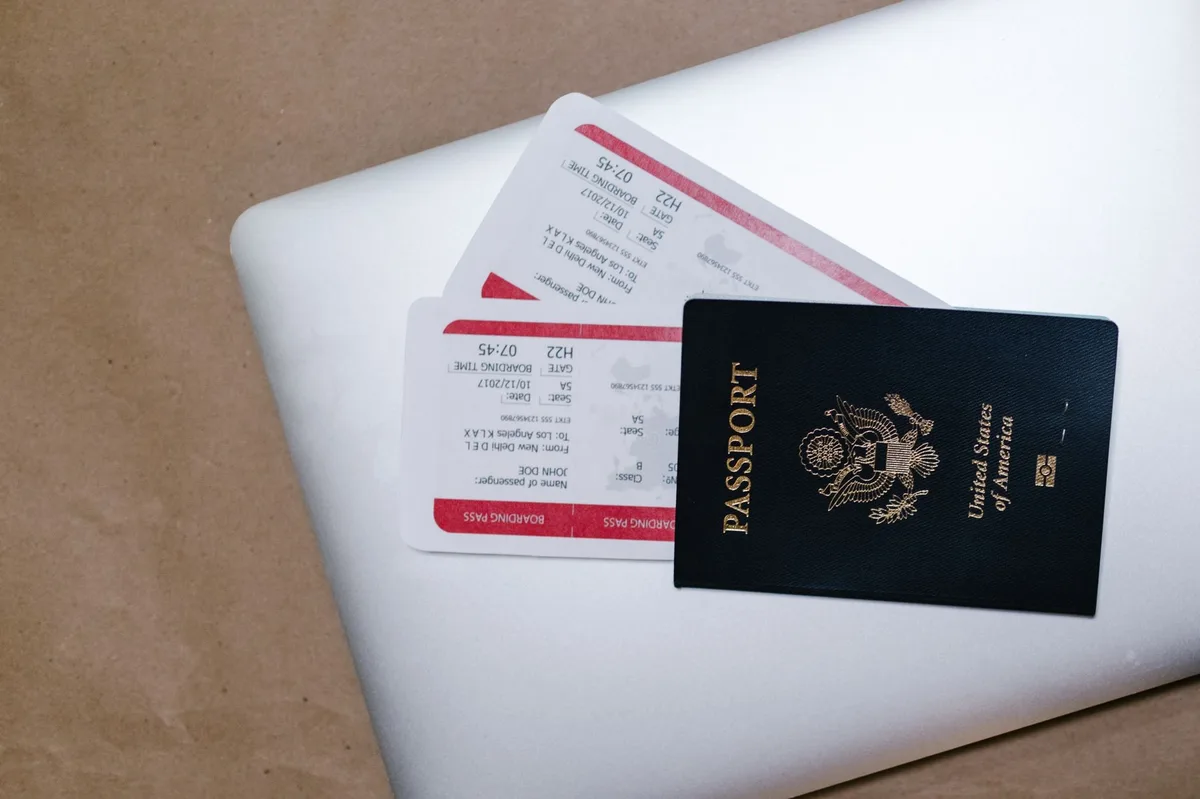
Pexels - RDNE Stock project · original
In this article
Key Takeaway
Travel insurance premiums in Australia vary significantly based on trip type, destination, duration, your age, and the level of cover you choose. A short domestic trip might cost A$30 to A$80, while comprehensive international cover for a month-long journey to Europe or North America can range from A$150 to A$500 or more for a single traveller. Pre-existing medical conditions, adventure activities, and high-value items all increase premiums. Our calculator helps you estimate costs by entering your specific trip details and comparing the main cover types.
Why Trip Type Drives Travel Insurance Cost in Australia
The type of trip you are planning is the single biggest factor in what you will pay for travel insurance. According to ASIC MoneySmart, insurers price policies based on the risk they are taking on, and that risk changes dramatically depending on where you are going, how long you will be away, and what you will be doing.
A weekend trip to Melbourne or the Gold Coast carries far less medical and cancellation risk than a six-week backpacking journey through Southeast Asia or a ski holiday in Japan. International destinations with higher medical costs (such as the United States) or regions with political instability push premiums higher. Domestic travel insurance, which covers you within Australia only, is typically the most affordable option because insurers do not face overseas medical evacuation or repatriation costs.
Key Factors That Affect Your Premium
Destination and Medical Costs
Where you travel determines the ceiling for potential claims. The United States, Canada, and parts of Europe have high medical treatment costs, so insurers price policies accordingly. According to the Insurance Council of Australia, a single hospital visit in the US can run into tens of thousands of dollars, and evacuation back to Australia can exceed A$100,000. Policies covering these regions cost more than those for destinations like Bali or Thailand, where treatment costs are lower.
Domestic policies are the cheapest because you remain within the Australian healthcare system and Medicare continues to cover many medical expenses.
Trip Duration
The longer you are away, the higher the premium. A three-day domestic trip might cost A$30 to A$50 for basic cover, while a 30-day international journey could cost A$150 to A$400 or more for comprehensive cover. Frequent travellers should compare annual multi-trip policies, which can be more economical than buying separate policies for each journey.
Age and Health
Insurers price policies higher for older travellers because the statistical risk of medical claims increases with age. Travellers over 65 often face premiums double or triple those for younger adults. Pre-existing medical conditions add further cost: you must declare them, and the insurer will either exclude them, load the premium, or decline cover altogether. Always read the Product Disclosure Statement (PDS) to understand what is and is not covered.
Level of Cover
You will typically choose from three tiers:
- Basic or medical-only cover: covers emergency medical expenses and evacuation, but not cancellations, lost luggage, or other travel disruptions. Lowest cost.
- Standard cover: adds cancellation and amendment cover, luggage and personal effects, and travel delay compensation. Mid-range cost.
- Comprehensive cover: includes all of the above plus higher limits, adventure activity cover, rental car excess waiver, and sometimes cover for pre-existing conditions (at a higher premium). Highest cost.
Comprehensive policies cost 50 to 100 per cent more than basic medical-only policies, but they protect you against a much wider range of financial loss.
Activities and Add-Ons
If you plan to ski, dive, or undertake adventure sports, you will need to add those activities to your policy (or confirm they are included). Insurers treat these as higher-risk and either exclude them by default or charge an additional premium. Similarly, if you are carrying high-value items such as camera equipment, laptops, or jewellery, you may need to specify them and pay extra to lift the cover limit. The standard luggage limit in most policies is A$5,000 to A$10,000 total, with sub-limits per item (often A$500 to A$1,000).
Read also: Travel Insurance in Australia: What to Look For Beyond the Cheapest Policy
How to Use the Travel Insurance Cost Calculator
Our calculator asks you to enter:
- Trip type (domestic, international short-haul, international long-haul)
- Destination region
- Trip duration
- Number of travellers and their ages
- Level of cover (basic, standard, comprehensive)
- Optional add-ons (adventure sports, high-value items, cruise cover)
The calculator then estimates the premium range you are likely to see when comparing quotes from Australian insurers. It draws on typical pricing for single-trip policies as of mid-2026 and adjusts for the risk factors above. The result is indicative only; actual quotes will vary by insurer, your personal health, and the specific terms in each PDS.
Use the estimate as a starting point, then request formal quotes from at least three insurers to compare cover, exclusions, excess, and claims processes. As covered in foundational insurance texts such as Principles of Finance, understanding the trade-off between premium and cover is essential to making an informed choice.
What to Look For When Comparing Quotes
Once you have an estimated cost, focus on these details when comparing actual policies:
- Policy limits: what is the maximum the insurer will pay for medical expenses, cancellation, luggage, and each category of claim?
- Excess: how much do you pay out of pocket before the insurer covers the rest? A higher excess lowers the premium but increases your upfront cost if you claim.
- Exclusions: what is not covered? Common exclusions include claims arising from alcohol or drug use, unattended luggage, and travel to regions with a Smartraveller “do not travel” warning.
- Pre-existing conditions: are they covered, excluded, or subject to a waiting period or additional premium?
- Claims process: how do you lodge a claim, and what documentation is required?
Always read the PDS and the Target Market Determination (TMD) before purchasing. The Australian Government advises travellers to check the Department of Foreign Affairs and Trade Smartraveller site for current travel warnings, as policies typically exclude claims in high-risk destinations.
Use the Calculator to Plan Ahead
Travel insurance is not one-size-fits-all. The calculator gives you a clear, personalised estimate so you can budget accurately and compare policies with confidence. Enter your trip details, review the estimate, and then seek formal quotes to find the policy that matches your risk profile and budget.
General Advice Warning: This article provides general information only and does not take into account your objectives, financial situation, or needs. Before acting on this information, consider whether it is appropriate for you and read the relevant Product Disclosure Statement (PDS). Consider obtaining personal advice from a licensed financial adviser or insurance broker. All figures are indicative as of August 2026; verify current premiums and terms in the PDS or with a licensed adviser before purchasing cover. Travel insurance terms, exclusions, and availability vary by insurer and by destination.
Sources
- Travel Insurance (accessed )
- Consumer Resources (accessed )
- Australian Government Services (accessed )
- Principles of Finance (accessed )
Related articles
How to Choose Travel Insurance in Australia: Looking Beyond the Cheapest Policy
Learn what to look for when choosing travel insurance in Australia beyond just the price, including medical limits and exclusions.
Travel Insurance for Spring and Summer Holidays: An Australian Guide
Essential guide to travel insurance for Australian spring and summer holidays. Coverage, Medicare gaps, and what to look for in a policy.

Travel Insurance for Australians: What to Look for Beyond the Cheapest Policy in Australia
Compare Australian travel insurance policies beyond price. Understand medical limits, cancellation cover, exclusions, and what matters for your trip.
