Is There a Time Limit on Car Insurance Claims in Australia?
There is no single national deadline for every car insurance claim in Australia. Your policy terms, the type of claim and any dispute pathway all matter.
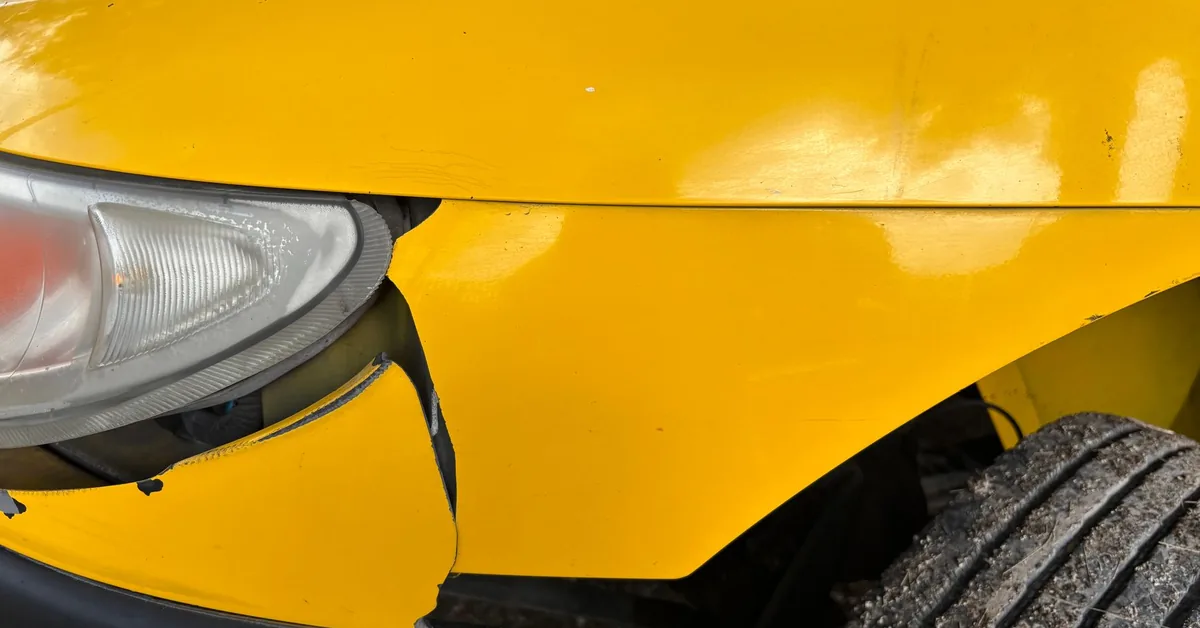
Pexels - Jorge Romero · original
In this article
There is no single Australia-wide time limit that applies to every car insurance claim. For comprehensive, third party property, and third party fire and theft cover, the practical deadline is usually set by your policy wording, so check the Product Disclosure Statement (PDS) and contact your insurer as soon as reasonably possible. CTP injury claims, complaints and legal action can involve different time limits, so do not assume the same rule applies to every situation.
The short answer
For most car insurance claims in Australia, you should lodge the claim promptly after the accident, theft, fire, storm damage or malicious damage occurs. Many policies do not frame this as a neat number of days, but they often require you to tell the insurer as soon as possible and to avoid doing anything that harms the insurer’s ability to assess the claim.
ASIC MoneySmart explains that car insurance can cover repair or replacement of your car, and may also cover damage to other people’s property, depending on the type of policy (MoneySmart, 2026). The claim rules for those benefits sit in the insurer’s PDS, policy schedule and claims conditions.
If you wait too long, the insurer may ask why. Delay can make it harder to prove what happened, inspect damage, confirm who was driving, check police reports, assess pre-existing damage, or recover money from another driver. A late claim is not automatically refused in every case, but it can become harder.
Why the PDS matters
Your PDS is the key document. It should explain:
- what events are covered
- what exclusions apply
- what you must do after an incident
- whether you need a police report
- whether you can authorise repairs before the insurer assesses the car
- how excesses apply
- how claims may affect your no-claim discount or premium
The Target Market Determination (TMD) is also relevant when checking whether the product is designed for your broad needs, but it is not a substitute for the PDS. The TMD describes the intended customer group for the product, while the PDS explains the policy’s benefits, limits, conditions and exclusions.
A simple example: if your parked car is hit on Monday night and you wait three months before telling the insurer, the insurer may still look at the claim, but it may ask for stronger evidence. Photos, witness details, dashcam footage, repair quotes and a police event number may be much harder to obtain by then.
Read also: How to Choose the Right Car Insurance Coverage for Your Needs
CTP claims can be different
Do not confuse ordinary car insurance with Compulsory Third Party (CTP) insurance. CTP covers injury liability from motor vehicle accidents, not damage to your car. In NSW it is commonly called a green slip. Other states and territories have their own CTP or motor accident injury schemes.
Because CTP injury claims are tied to state and territory legislation, time limits can be stricter and more formal than for a standard comprehensive car insurance claim. If someone is injured, get medical attention, report the accident where required, and contact the relevant CTP scheme or insurer quickly. If the injury is serious or disputed, consider legal advice from a solicitor.
What if the insurer delays or rejects the claim?
If the insurer says you claimed too late, ask for the decision in writing and request the specific PDS clause it is relying on. The Insurance Council of Australia provides consumer information about dealing with insurers and understanding insurance processes (Insurance Council of Australia, 2026).
If you disagree with the insurer’s decision, use the insurer’s internal dispute resolution process first. If that does not resolve the issue, AFCA handles complaints about financial firms, including insurers, after you have tried to resolve the matter with the firm (AFCA, 2026). AFCA also has jurisdiction rules and time limits, so do not wait until the dispute has gone stale.
What to do now
If the incident has already happened, lodge the claim as soon as you can. Give the insurer the date, time, location, driver details, photos, police details if relevant, and any third party information. Keep a copy of everything.
If you are only checking before something happens, read the claims section of your PDS now. The best time to understand claim conditions is before you need to rely on them.
General advice warning: this article is general information only and does not take into account your objectives, financial situation or needs. Before acting on it, consider whether it is appropriate for you, read the relevant PDS and TMD, and consider obtaining personal advice from a licensed adviser. Cover, exclusions and availability vary by insurer and by state or territory. For legal, tax or disputed liability questions, speak with a solicitor, registered tax agent or licensed insurance adviser as appropriate.
Sources
- Car insurance (accessed )
- Consumers (accessed )
- Make a complaint (accessed )
Related articles
Car Insurance Deals and Offers in Australia for July 2026
July 2026 guide to car insurance deals in Australia, including discounts, excess trade-offs, CTP, PDS checks and traps.

How to Compare Car Insurance Quotes in Australia the Right Way
Learn how to compare car insurance quotes in Australia properly. Check excess, inclusions, exclusions and read the PDS to get the right cover.

How to Choose the Right Car Insurance Coverage for Your Needs
Learn how to choose the right car insurance coverage in Australia. Compare CTP, third party, and comprehensive options to find the best policy for your needs.
